The robotics industry has witnessed exponential growth in recent years, revolutionizing multiple sectors with its innovative applications. At the heart of this technological advancement lies special purpose machinery, which plays a pivotal role in the design, development, and manufacturing processes of robots. As a supplier of special purpose machinery, I have had the privilege of witnessing firsthand how our products contribute to the evolution of the robotics industry. In this blog post, I will explore the various applications of special purpose machinery in the robotics industry and discuss the benefits it offers. Special Purpose Machinery
Precision Manufacturing of Robot Components
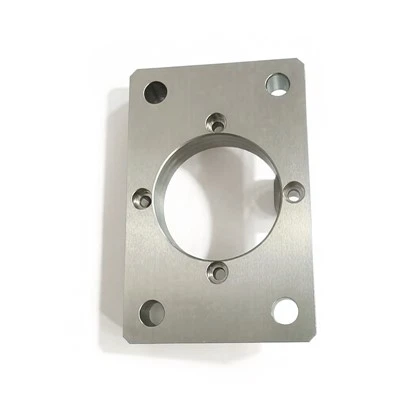
One of the primary applications of special purpose machinery in the robotics industry is the precision manufacturing of robot components. Robots are intricate machines that require highly precise parts to function effectively. Special purpose machinery, such as precision machining centers and grinding machines, enables the production of these components with tight tolerances, ensuring smooth and accurate operation.
For example, in the manufacturing of robotic arms, special purpose machinery is used to produce gears, shafts, and other mechanical components. These machines are capable of achieving high levels of precision, which is crucial for the movement and positioning of the robotic arm. The use of special purpose machinery in the production process also helps to improve the quality and durability of the components, reducing the risk of failure and extending the lifespan of the robot.
Moreover, special purpose machinery can be customized to meet the specific requirements of different robot designs. This flexibility allows manufacturers to produce components that are tailored to the unique needs of their robots, enhancing their performance and functionality. Whether it’s a small, lightweight robot for use in a laboratory or a large, heavy-duty robot for industrial applications, special purpose machinery can be designed and configured to produce the necessary components with precision and efficiency.
Assembly and Integration of Robots
In addition to the manufacturing of individual components, special purpose machinery is also used in the assembly and integration of robots. The assembly process involves putting together the various components of a robot to create a functional machine. Special purpose machinery, such as automated assembly lines and robotic workstations, can streamline this process, improving efficiency and reducing the time and labor required for assembly.
Automated assembly lines are equipped with a variety of special purpose machinery, including conveyors, pick-and-place robots, and fastening machines. These machines work together to move the components through the assembly process, perform specific tasks such as tightening screws and connecting wires, and ensure that the robot is assembled correctly. The use of automated assembly lines not only increases the speed and accuracy of the assembly process but also reduces the risk of human error, resulting in higher quality products.
Robotic workstations, on the other hand, are used for more complex assembly tasks that require a high degree of dexterity and precision. These workstations are typically equipped with robotic arms and end-effectors that are specifically designed for the assembly of robots. The robotic arms can be programmed to perform a variety of tasks, such as handling fragile components, inserting parts into tight spaces, and performing intricate assembly operations. By using robotic workstations, manufacturers can improve the quality and consistency of the assembly process, while also reducing the need for manual labor.
Another important aspect of the assembly and integration process is the testing and calibration of the robots. Special purpose machinery, such as test benches and calibration equipment, is used to ensure that the robots are functioning properly and meeting the required specifications. These machines can simulate real-world conditions and perform a variety of tests, such as motion testing, force testing, and electrical testing, to verify the performance and reliability of the robots. By using special purpose machinery for testing and calibration, manufacturers can identify and resolve any issues before the robots are deployed, reducing the risk of downtime and costly repairs.
Quality Control and Inspection of Robots
Quality control and inspection are critical steps in the manufacturing process of robots. Special purpose machinery plays a crucial role in ensuring that the robots meet the required quality standards and specifications. By using advanced inspection techniques and equipment, manufacturers can detect and eliminate any defects or inconsistencies in the robots, ensuring that they are safe and reliable for use.
One of the most common types of special purpose machinery used for quality control and inspection is vision inspection systems. These systems use cameras and sensors to capture images of the robots and analyze them for defects or anomalies. Vision inspection systems can detect a wide range of defects, including scratches, cracks, misalignments, and missing components. By using these systems, manufacturers can identify and remove defective robots from the production line, reducing the risk of customer complaints and product recalls.
In addition to vision inspection systems, special purpose machinery such as coordinate measuring machines (CMMs) and laser scanners are also used for quality control and inspection. CMMs are used to measure the dimensions and geometries of the robot components with high precision, ensuring that they meet the required specifications. Laser scanners, on the other hand, are used to create a 3D model of the robot, which can be used to detect any surface defects or deviations from the design.
Another important aspect of quality control and inspection is the testing of the robot’s functionality. Special purpose machinery, such as test benches and simulation equipment, is used to test the robot’s performance under different conditions and scenarios. These machines can simulate real-world environments and tasks, allowing manufacturers to evaluate the robot’s capabilities and identify any areas for improvement. By using special purpose machinery for functionality testing, manufacturers can ensure that the robots are capable of performing their intended tasks safely and efficiently.
Research and Development of Robots
Special purpose machinery also plays a crucial role in the research and development (R&D) of robots. As the robotics industry continues to evolve, there is a growing need for new and innovative robot designs and technologies. Special purpose machinery can be used to develop and test these new designs, allowing researchers and engineers to explore new possibilities and push the boundaries of what is possible in robotics.
For example, in the development of new robotic materials and components, special purpose machinery such as materials testing equipment and rapid prototyping machines are used. Materials testing equipment is used to evaluate the mechanical properties and performance of different materials, such as metals, polymers, and composites. Rapid prototyping machines, on the other hand, are used to create physical models of the robot components and assemblies, allowing researchers and engineers to test and validate their designs before committing to mass production.
In addition to materials and components development, special purpose machinery is also used in the development of new robot control systems and algorithms. Control systems are the brains of the robot, responsible for coordinating its movements and actions. Special purpose machinery, such as motion control testing equipment and simulation software, is used to develop and test these control systems, ensuring that they are reliable and efficient.
Moreover, special purpose machinery is also used in the development of new robot applications and scenarios. For example, in the development of service robots for healthcare or hospitality industries, special purpose machinery such as environment testing equipment and human-robot interaction testing platforms are used. These machines can simulate the real-world environments and interactions that the robots will encounter, allowing researchers and engineers to evaluate the robot’s performance and usability in these scenarios.
Conclusion
In conclusion, special purpose machinery plays a crucial role in the robotics industry, enabling the precision manufacturing of robot components, the assembly and integration of robots, the quality control and inspection of robots, and the research and development of new robot designs and technologies. As a supplier of special purpose machinery, I am proud to be a part of this exciting and rapidly evolving industry. Our products are designed and engineered to meet the specific needs of the robotics industry, providing our customers with the tools and solutions they need to succeed.

If you are involved in the robotics industry and are looking for high-quality special purpose machinery, I encourage you to contact us. We have a team of experienced engineers and technicians who can work with you to understand your specific requirements and develop customized solutions that meet your needs. Whether you need precision machining centers, automated assembly lines, vision inspection systems, or any other type of special purpose machinery, we have the expertise and capabilities to deliver.
Special Purpose Machinery Let’s work together to drive the future of robotics and create innovative solutions that will transform the way we live and work.
References
- Robotics and Automation Handbook, edited by Thomas R. Kurfess
- Advanced Manufacturing Technology, by Peter Callister
- Quality Control in Manufacturing, by Douglas C. Montgomery
Suzhou Huaquan Electromechanical Manufacturing Co., Ltd.
As one of the leading special purpose machinery manufacturers in China, we warmly welcome you to buy bulk customized special purpose machinery made in China here from our factory. If you have any enquiry about pricelist and free sample, please feel free to email us.
Address: No.7550 Mudong Road, Hengjing Town, Wuzhong District, Suzhou City, Jiangsu Province, China
E-mail: Huaquan2005@outlook.com
WebSite: https://www.huaquancnc.com/
