As a supplier in the field of biomass pellet machines, I’ve witnessed firsthand the remarkable evolution of these machines and the ever – growing interest in their automation levels. In this blog, I’ll share in – depth insights into what the automation level of a biomass pellet machine truly means, its significance, and the various factors that influence it. Biomass Pellet Machine

Defining the Automation Level of a Biomass Pellet Machine
The automation level of a biomass pellet machine refers to the degree to which the machine can perform its functions with minimal human intervention. A highly automated machine can handle multiple processes from raw material feeding to pellet production and even packaging with little to no manual input.
At the most basic level, a semi – automated biomass pellet machine may require some manual operations. For example, the operator might need to load the raw materials into the hopper, adjust the temperature settings, and monitor the production process regularly. These machines are suitable for small – scale production or for those who are just starting in the biomass pellet industry. They are relatively affordable and easy to operate, but they do demand more human labor.
On the other hand, a fully automated biomass pellet machine is a technological marvel. It can automatically control the feeding rate of raw materials based on the production requirements. The machine is equipped with sensors that can detect the temperature, pressure, and moisture content of the raw materials and the pellets during the production process. If any parameter goes out of the set range, the machine can make real – time adjustments to ensure the quality of the pellets. Moreover, a fully automated machine can also handle the packaging of the finished pellets, which greatly improves the overall efficiency of the production line.
Significance of High Automation Levels
The significance of a high automation level in biomass pellet machines cannot be overstated. Firstly, it improves labor efficiency. In a traditional semi – automated production process, workers are required to perform repetitive tasks such as feeding raw materials, monitoring the machine, and packaging the pellets. This not only consumes a large amount of human resources but also increases the risk of human error. With a highly automated machine, these tasks can be completed by the machine itself, allowing workers to focus on more important aspects such as machine maintenance and quality control.
Secondly, high – level automation ensures product quality. The sensors and control systems in automated biomass pellet machines can accurately monitor and adjust the production parameters. For example, maintaining a stable temperature is crucial for producing high – quality pellets. If the temperature is too high, the pellets may be over – dried and easily break; if the temperature is too low, the pellets may not be well – formed. Automated machines can precisely control the temperature to ensure uniform and high – quality pellet production.
Thirdly, it reduces production costs in the long run. Although the initial investment in a fully automated biomass pellet machine is relatively high compared to a semi – automated one, the savings in labor costs and the improvement in product quality can outweigh the initial expense. Additionally, automated machines are generally more energy – efficient as they can optimize the use of energy based on the production load.
Factors Influencing the Automation Level
Advanced Sensors and Control Systems
The core of a high – automation biomass pellet machine lies in its sensors and control systems. High – precision sensors can detect various physical and chemical parameters such as temperature, pressure, moisture content, and pellet density in real – time. For example, infrared sensors can be used to measure the surface temperature of the pellets during the drying process, and pressure sensors can monitor the pressure inside the pelletizing chamber.
The control system, usually based on programmable logic controllers (PLCs), can receive the data from the sensors and make corresponding adjustments. PLCs are highly reliable and can be programmed to perform complex control algorithms, ensuring that the machine operates stably and efficiently.
Integration of Multiple Processes
Another factor influencing the automation level is the integration of multiple processes. A high – end biomass pellet machine can integrate raw material pre – treatment, pelletizing, cooling, and packaging processes into one production line. For example, after the raw materials are crushed and mixed in the pre – treatment section, they can be automatically transported to the pelletizing chamber. After pelletizing, the hot pellets can be automatically conveyed to the cooling system, and finally, the cooled pellets can be directly sent to the packaging machine. This seamless integration not only improves the production efficiency but also reduces the possibility of material contamination during the transfer process.
Remote Monitoring and Control
With the development of the Internet of Things (IoT) technology, more and more biomass pellet machines are equipped with remote monitoring and control functions. This allows operators to monitor the machine’s operating status, adjust production parameters, and troubleshoot problems remotely using a computer or a mobile device. For example, an operator can check the temperature, pressure, and production volume of the machine in real – time from home or the office. If there is an abnormal situation, the system can send an alert to the operator’s mobile phone, enabling quick response and minimizing production downtime.
Different Automation Levels in the Market
In the market, there is a wide range of biomass pellet machines with different automation levels to meet the diverse needs of customers.
Entry – level Semi – automated Machines
These machines are suitable for small – scale farmers, home users, or startups in the biomass pellet industry. They usually have a simple structure and basic functions. For example, they may only have a manual feeding system and a basic temperature control function. The operator needs to pay close attention to the machine during the production process to ensure its normal operation. The price of these machines is relatively low, which makes them an attractive option for those with a limited budget.
Mid – level Automated Machines
Mid – level automated machines offer a good balance between cost and performance. They are equipped with some automated features such as automatic feeding and basic sensor – based control systems. These machines can produce a certain amount of high – quality pellets with relatively less human intervention compared to semi – automated machines. They are suitable for medium – sized biomass pellet production plants that have a certain production scale but still need to control costs.
High – end Fully Automated Machines
High – end fully automated biomass pellet machines are the state – of – the – art products in the market. They are equipped with the most advanced sensors, control systems, and integration technologies. These machines can achieve continuous and stable production with extremely high efficiency. They are often used in large – scale commercial biomass pellet production plants where high – volume production and consistent product quality are required. However, the high initial investment and complex maintenance requirements may be a challenge for some customers.
Making the Right Choice
When choosing a biomass pellet machine based on its automation level, customers need to consider several factors. Firstly, the production scale is a crucial factor. For small – scale production, a semi – automated or mid – level automated machine may be sufficient. However, for large – scale commercial production, a high – end fully automated machine is often the better choice.
Secondly, the budget is also an important consideration. Higher – automation machines usually come with a higher price tag. Customers need to balance the initial investment with the long – term benefits such as labor cost savings and improved product quality.
Thirdly, the technical expertise of the operators should be taken into account. High – end fully automated machines may require more technical knowledge for operation and maintenance. If the operators do not have sufficient skills, additional training may be needed.
Conclusion
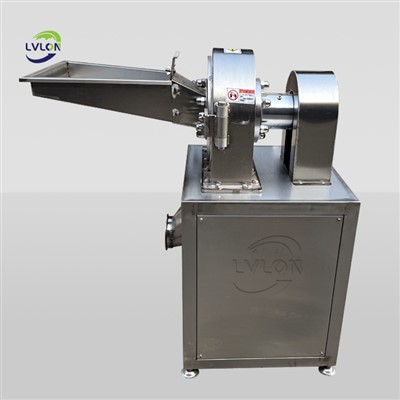
In conclusion, the automation level of a biomass pellet machine plays a vital role in the efficiency, quality, and cost – effectiveness of biomass pellet production. As a supplier, I’m committed to providing customers with a wide range of biomass pellet machines with different automation levels to meet their specific needs. Whether you are a small – scale producer or a large – scale commercial enterprise, there is always a suitable machine for you.
Biomass Pellet Machine If you are interested in our biomass pellet machines and want to learn more about their automation levels, production capacity, and prices, please feel free to contact us for a detailed consultation. We look forward to discussing your requirements and helping you find the perfect solution for your biomass pellet production needs.
References
- Biomass Pellet Technology Handbook, various industry experts’ contributions.
- Research papers on biomass energy production and automation in manufacturing processes from academic journals in the field of renewable energy.
Henan Lvlon Industrial Co., Ltd.
We’re well-known as one of the leading biomass pellet machine suppliers in China, featured by quality products and good price. Please rest assured to buy high-grade biomass pellet machine for sale here from our factory. Welcome to view our website for more information.
Address: Unit 5, 5th Floor, Building 11, No. 18 Dongfeng Road, Jinshui District, Zhengzhou City, Henan Province.
E-mail: lvlonxu@gmail.com
WebSite: https://www.lvlonmachinery.com/
