When it comes to the field of fluid measurement, flow meters play a pivotal role in a wide range of industries. One common question that often arises is whether a flow meter can be used for low – temperature applications. As a flow meter supplier, I’ve encountered numerous inquiries from clients about the suitability of our products in such challenging environments. In this blog post, I’ll delve into the technical aspects, challenges, and solutions related to using flow meters in low – temperature settings. Flow Meter
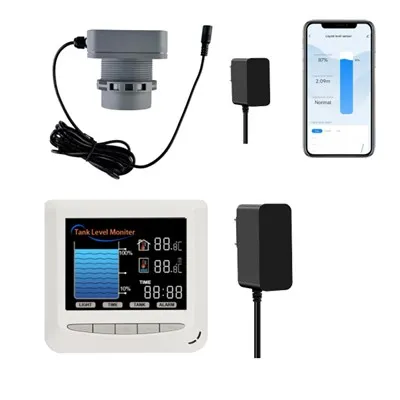
Technical Considerations for Low – Temperature Flow Measurement
The fundamental principle behind flow meters is to accurately measure the flow rate of fluids, whether they are liquids or gases. However, low – temperature environments introduce several technical issues that need to be addressed.
First and foremost, the physical properties of fluids change significantly at low temperatures. For liquids, viscosity typically increases, which can have a profound impact on the flow characteristics. For instance, in some cryogenic applications where the temperature can drop to extremely low levels, such as – 200°C or lower, the fluid might become highly viscous or even approach a semi – solid state. This change in viscosity can affect the internal mechanisms of the flow meter. Positive displacement flow meters, which rely on the movement of chambers to measure the volume of fluid passing through, may experience increased friction due to the higher viscosity. This can lead to inaccurate readings or even mechanical failure over time.
Secondly, the materials used in the construction of the flow meter need to be carefully selected. At low temperatures, common materials can become brittle. For example, some plastics may lose their flexibility and crack, while metals may also experience a reduction in their ductility. Stainless steel is a popular choice for many flow meters because it generally retains good mechanical properties at low temperatures. However, even stainless steel needs to be of the appropriate grade, as some grades may be more susceptible to cold – embrittlement than others.
Types of Flow Meters Suitable for Low – Temperature Applications
Not all flow meters are created equal when it comes to low – temperature use. Here are some types that have proven to be more suitable for these challenging conditions:
Coriolis Flow Meters
Coriolis flow meters are known for their high accuracy and ability to measure mass flow directly. They operate based on the Coriolis effect, where a vibrating tube causes a phase shift in the fluid’s motion, which is then measured to determine the flow rate. In low – temperature applications, Coriolis flow meters have an advantage because they are not significantly affected by changes in fluid viscosity. The vibrating tube design is relatively simple and does not rely on complex moving parts that could be hindered by high – viscosity fluids. Additionally, modern Coriolis flow meters can be constructed with materials specifically designed for low – temperature use, such as special alloys that maintain their integrity at extreme cold.
Ultrasonic Flow Meters
Ultrasonic flow meters work by measuring the time difference between ultrasonic signals traveling with and against the flow of the fluid. These meters are non – intrusive, which means they do not come into direct contact with the fluid. This characteristic makes them well – suited for low – temperature applications, as there is less risk of damage to the measuring components due to the cold. Ultrasonic flow meters can be used for both liquid and gas flow measurements at low temperatures. However, it’s important to note that the acoustic properties of the fluid can change at low temperatures, which may require calibration adjustments to ensure accurate readings.
Challenges in Low – Temperature Flow Meter Applications
Despite the suitability of certain flow meters for low – temperature applications, there are still several challenges that need to be overcome.
One of the main challenges is thermal insulation. In low – temperature settings, a proper insulation system is required to prevent heat transfer from the surrounding environment to the fluid and the flow meter. If heat transfer occurs, it can cause the fluid to warm up, which may change its physical properties and affect the accuracy of the flow measurement. Moreover, uneven heat transfer can lead to thermal stresses within the flow meter, which can damage the internal components.
Another challenge is calibration. Low – temperature calibration is a complex process that requires specialized equipment and expertise. The calibration of a flow meter at low temperatures needs to take into account the changes in fluid properties and the behavior of the meter itself. Since the physical characteristics of the fluid are different at low temperatures compared to normal operating conditions, a calibration performed at room temperature may not be valid for low – temperature applications. Therefore, regular and accurate low – temperature calibration is essential to ensure the reliability of the flow meter.
Solutions for Low – Temperature Flow Meter Applications
To address the challenges mentioned above, several solutions can be implemented.
For thermal insulation, we offer a range of insulation options for our flow meters. These include high – performance insulation materials that are specifically designed to minimize heat transfer. Our team of experts can also provide guidance on the proper installation of the insulation system to ensure maximum effectiveness.
In terms of calibration, we have a state – of – the – art calibration facility that is capable of performing low – temperature calibrations. Our experienced technicians use the latest calibration techniques and equipment to ensure that each flow meter meets the highest standards of accuracy. We also offer calibration services as part of our after – sales support, so our clients can be confident in the long – term performance of their flow meters.
Real – World Examples of Low – Temperature Flow Meter Applications
There are many industries that rely on low – temperature flow measurement. One such industry is the liquefied natural gas (LNG) industry. In LNG production, transportation, and storage, accurate measurement of the flow rate of liquefied natural gas is crucial. The temperature of LNG is typically around – 162°C, and flow meters need to operate reliably in this extremely cold environment. Our Coriolis and ultrasonic flow meters have been successfully used in many LNG facilities, providing accurate and stable flow measurements.
Another example is the pharmaceutical industry, where some processes require the use of cryogenic fluids. These fluids are often used for cooling and preservation purposes. Flow meters are used to control the amount of cryogenic fluid being added to the processes. By ensuring precise flow measurement, pharmaceutical companies can maintain the quality and consistency of their products.
Conclusion
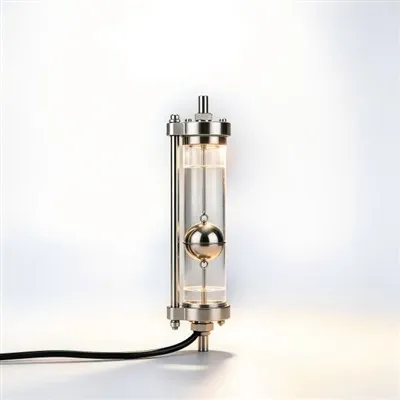
In conclusion, a flow meter can indeed be used for low – temperature applications, but it requires careful consideration of technical factors, selection of the appropriate type of flow meter, and implementation of solutions to overcome the associated challenges. As a flow meter supplier, we understand the unique requirements of low – temperature applications and are committed to providing high – quality products and comprehensive solutions.
Ultrasonic Tank Level Sensor If you are in need of a flow meter for a low – temperature application or have any questions about our products, I encourage you to reach out to us for a detailed discussion. Our team of experts is ready to assist you in selecting the most suitable flow meter for your specific needs and to help you ensure the accurate and reliable measurement of fluid flow in low – temperature environments.
References
- Benedict, Ralph P. "Fundamentals of Temperature, Pressure, and Flow Measurement." Wiley – Interscience, 2012.
- Milton Beychok. "Process Flow Measurement: Practical Guidelines for Measurement and Control." Gulf Publishing Company, 1989.
- James F. Carlock. "Flow Measurement: Practical Guides for Measurement and Control." ISA Press, 2002.
Shenzhen Fineherc Technology Co., Ltd.
As one of the most experienced flow meter suppliers in China, we’re featured by quality products and low price. Please feel free to buy discount flow meter made in China here from our factory. Welcome to view our website for more information.
Address: 5th Floor, Building D, No. 39, Keji East Road, Torch Development Zone, Zhongshan City,China
E-mail: fineherc@hotmail.com
WebSite: https://www.fineherc.com/
