As a supplier of Calcium Magnesium Zinc Boron Suspension Fertilizer, I often encounter various questions from customers regarding the proper storage and handling of our product. One of the most frequently asked questions is whether this type of suspension fertilizer needs to be protected from sunlight during storage. In this blog post, I will delve into the scientific aspects of this issue and provide a comprehensive answer based on my experience in the industry. Calcium Magnesium Zinc Boron Suspension Fertilizer

The Composition and Properties of Calcium Magnesium Zinc Boron Suspension Fertilizer
Before discussing the sunlight protection issue, it is essential to understand the composition and properties of Calcium Magnesium Zinc Boron Suspension Fertilizer. This fertilizer is a complex mixture that contains essential nutrients such as calcium (Ca), magnesium (Mg), zinc (Zn), and boron (B). These nutrients play crucial roles in plant growth and development, including cell wall formation, photosynthesis, enzyme activation, and pollen germination.
The suspension fertilizer is formulated in a liquid state with solid particles suspended evenly in the solution. This unique formulation ensures that the nutrients are readily available for plant uptake and can be applied through various methods such as foliar spraying, drip irrigation, and fertigation. However, the stability of the suspension and the effectiveness of the nutrients can be affected by external factors, including sunlight exposure.
The Effects of Sunlight on Calcium Magnesium Zinc Boron Suspension Fertilizer
Sunlight is a powerful energy source that consists of various wavelengths, including ultraviolet (UV), visible light, and infrared (IR) radiation. Each of these wavelengths can have different effects on the components of the suspension fertilizer.
Ultraviolet (UV) Radiation
UV radiation is known for its high energy and ability to cause chemical reactions. When Calcium Magnesium Zinc Boron Suspension Fertilizer is exposed to UV radiation, it can lead to the degradation of certain nutrients and the breakdown of the suspension structure. For example, UV radiation can cause the oxidation of zinc and iron ions, which can reduce their availability for plant uptake. Additionally, UV radiation can break down the polymer stabilizers used in the suspension fertilizer, leading to particle aggregation and sedimentation.
Visible Light
Visible light can also have an impact on the suspension fertilizer, although to a lesser extent than UV radiation. Prolonged exposure to visible light can cause the heating of the fertilizer solution, which can increase the rate of chemical reactions and accelerate the degradation of nutrients. Moreover, visible light can promote the growth of microorganisms in the fertilizer, which can further affect its quality and stability.
Infrared (IR) Radiation
IR radiation is mainly responsible for the heating of the fertilizer solution. When the suspension fertilizer is exposed to IR radiation, it can cause the temperature of the solution to rise, which can lead to the evaporation of water and the concentration of nutrients. This can result in the formation of crystals and the precipitation of salts, which can clog the application equipment and reduce the effectiveness of the fertilizer.
The Importance of Sunlight Protection during Storage
Based on the above analysis, it is clear that sunlight can have a negative impact on the quality and stability of Calcium Magnesium Zinc Boron Suspension Fertilizer. Therefore, it is highly recommended to protect the fertilizer from sunlight during storage. Here are some reasons why sunlight protection is important:
Preserving Nutrient Availability
By protecting the fertilizer from sunlight, we can prevent the degradation of nutrients and ensure that they remain available for plant uptake. This is crucial for maintaining the effectiveness of the fertilizer and promoting healthy plant growth.
Maintaining Suspension Stability
Sunlight exposure can cause the breakdown of the suspension structure and the aggregation of particles, which can lead to sedimentation and clogging of the application equipment. By storing the fertilizer in a dark place, we can maintain the stability of the suspension and ensure that it can be applied evenly.
Preventing Microbial Growth
Visible light can promote the growth of microorganisms in the fertilizer, which can produce toxins and reduce the quality of the product. By protecting the fertilizer from sunlight, we can inhibit the growth of microorganisms and ensure the safety and effectiveness of the fertilizer.
Best Practices for Storing Calcium Magnesium Zinc Boron Suspension Fertilizer
To ensure the quality and stability of Calcium Magnesium Zinc Boron Suspension Fertilizer during storage, here are some best practices that I recommend:
Store in a Dark Place
The fertilizer should be stored in a cool, dry, and dark place, such as a warehouse or a storage shed. Avoid storing the fertilizer in direct sunlight or in areas exposed to high levels of UV radiation.
Use Appropriate Containers
The fertilizer should be stored in opaque containers that can block out sunlight. Plastic or metal drums with tight-fitting lids are ideal for storing suspension fertilizers. Make sure the containers are clean and free from any contaminants before filling them with the fertilizer.
Monitor Temperature and Humidity
The temperature and humidity of the storage environment can also affect the quality of the fertilizer. It is recommended to store the fertilizer at a temperature between 10°C and 30°C and a relative humidity of less than 70%. Avoid storing the fertilizer in areas with high humidity or temperature fluctuations, as this can lead to the growth of microorganisms and the degradation of nutrients.
Follow Shelf Life Guidelines
Like all fertilizers, Calcium Magnesium Zinc Boron Suspension Fertilizer has a limited shelf life. It is important to follow the manufacturer’s recommendations regarding the shelf life of the product and use the fertilizer within the specified period. Do not use the fertilizer if it has expired or if it shows signs of degradation, such as sedimentation, color change, or foul odor.
Conclusion
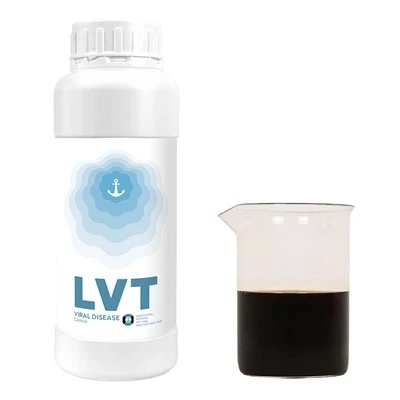
In conclusion, Calcium Magnesium Zinc Boron Suspension Fertilizer does need to be protected from sunlight during storage. Sunlight exposure can have a negative impact on the quality and stability of the fertilizer, including the degradation of nutrients, the breakdown of the suspension structure, and the growth of microorganisms. By following the best practices for storing the fertilizer, such as storing it in a dark place, using appropriate containers, monitoring temperature and humidity, and following shelf life guidelines, we can ensure that the fertilizer remains effective and safe for use.
Micronutrient Water Soluble Fertilizer As a supplier of Calcium Magnesium Zinc Boron Suspension Fertilizer, I am committed to providing high-quality products and excellent customer service. If you have any questions or need further information about our fertilizer, please feel free to contact me. We look forward to discussing your specific requirements and helping you achieve your agricultural goals.
References
- Havlin, J. L., Tisdale, S. L., Nelson, W. L., & Beaton, J. D. (2005). Soil Fertility and Fertilizers: An Introduction to Nutrient Management. Pearson Prentice Hall.
- Marschner, P. (2012). Mineral Nutrition of Higher Plants. Academic Press.
- Alloway, B. J. (2008). Zinc in Soils and Crop Nutrition. IZA, Brussels.
Weifang Lvweite Bio-Tech Co., Ltd.
With abundant experience, we are one of the leading manufacturers and suppliers of calcium magnesium zinc boron suspension fertilizer in China. Please rest assured to buy bulk high quality fertilizers made in China here from our factory. If you have any enquiry about cooperation, please feel free to email us.
Address: No. 6 Xinchuan Rd, Xin’an Street, Anqiu City, Shandong, China
E-mail: info@lvtfertilizer.com
WebSite: https://www.lvtfertilizer.com/
