How to Select the Right Helical Gear Motor for a Specific Application
As a supplier of helical gear motors, I understand that choosing the right one for a specific application can be a daunting task. With an array of options available in the market, it’s crucial to make an informed decision to ensure optimal performance, efficiency, and longevity of your machinery. In this blog post, I’ll share my insights on how to select the ideal helical gear motor for your specific needs. Helical Gear Motors

Understanding Helical Gear Motors
Before diving into the selection process, let’s first understand what helical gear motors are and how they work. Helical gear motors are a type of gear motor that uses helical gears to transmit power and torque. The helical gears have teeth that are angled, which allows for smoother and quieter operation compared to other types of gears, such as spur gears. This design also enables helical gear motors to handle higher loads and speeds, making them suitable for a wide range of applications.
Helical gear motors are commonly used in industrial applications, including conveyors, mixers, crushers, and machine tools. They are also used in residential and commercial applications, such as garage door openers, HVAC systems, and elevators.
Factors to Consider When Selecting a Helical Gear Motor
When selecting a helical gear motor for a specific application, several factors need to be taken into consideration. These factors will help you determine the right motor size, power rating, torque, speed, and other specifications that are required for your application. Here are some of the key factors to consider:
1. Application Requirements
The first step in selecting the right helical gear motor is to understand the specific requirements of your application. This includes the type of machinery or equipment that the motor will be used for, the operating conditions, and the performance requirements. For example, if you’re using the motor for a conveyor system, you’ll need to consider the load capacity, the speed of the conveyor, and the acceleration and deceleration requirements.
2. Power Rating
The power rating of a helical gear motor is measured in horsepower (HP) or kilowatts (kW). It represents the amount of power that the motor can deliver to the load. The power rating of the motor should be selected based on the load requirements of your application. If the motor is underpowered, it may not be able to handle the load, which can lead to premature failure. On the other hand, if the motor is overpowered, it may consume more energy than necessary, which can result in higher operating costs.
3. Torque
Torque is the rotational force that the motor can produce. It is measured in pound-feet (lb-ft) or Newton-meters (N-m). The torque requirements of your application will depend on the load that the motor needs to drive. For example, if you’re using the motor to drive a heavy load, such as a conveyor belt or a mixer, you’ll need a motor with a higher torque rating.
4. Speed
The speed of a helical gear motor is measured in revolutions per minute (RPM). It represents the number of times the motor shaft rotates in one minute. The speed requirements of your application will depend on the type of machinery or equipment that the motor will be used for. For example, if you’re using the motor to drive a conveyor system, you’ll need to consider the speed of the conveyor and the acceleration and deceleration requirements.
5. Efficiency
The efficiency of a helical gear motor is the ratio of the output power to the input power. It represents how effectively the motor converts electrical energy into mechanical energy. A higher efficiency motor will consume less energy and produce less heat, which can result in lower operating costs and longer motor life. When selecting a helical gear motor, it’s important to choose a motor with a high efficiency rating.
6. Service Factor
The service factor of a helical gear motor is a measure of its ability to handle overloads. It is expressed as a number, such as 1.1 or 1.2. A service factor of 1.1 means that the motor can handle a 10% overload without overheating or causing damage. When selecting a helical gear motor, it’s important to choose a motor with a service factor that is appropriate for your application.
7. Environmental Conditions
The environmental conditions in which the helical gear motor will operate can also affect its performance and longevity. For example, if the motor will be used in a dusty or dirty environment, you’ll need to choose a motor with a high level of protection against dust and debris. If the motor will be used in a wet or corrosive environment, you’ll need to choose a motor with a high level of protection against moisture and corrosion.
Selecting the Right Helical Gear Motor
Once you have considered all of the factors above, you can start the process of selecting the right helical gear motor for your specific application. Here are some steps to follow:
1. Determine the Load Requirements
The first step is to determine the load requirements of your application. This includes the power, torque, and speed requirements. You can use the manufacturer’s specifications for your machinery or equipment to determine these requirements.
2. Choose the Right Motor Size
Based on the load requirements, you can choose the right motor size. The motor size is determined by the power rating and the frame size. The frame size refers to the physical dimensions of the motor. You should choose a motor with a power rating that is appropriate for the load requirements and a frame size that will fit your application.
3. Select the Right Gear Ratio
The gear ratio is the ratio of the number of teeth on the input gear to the number of teeth on the output gear. It determines the speed and torque output of the motor. You should choose a gear ratio that will provide the right speed and torque for your application.
4. Consider the Efficiency and Service Factor
When selecting a helical gear motor, it’s important to consider the efficiency and service factor. A higher efficiency motor will consume less energy and produce less heat, which can result in lower operating costs and longer motor life. A service factor of 1.1 or higher is recommended for most applications.
5. Choose the Right Motor Type
There are several types of helical gear motors available in the market, including AC motors, DC motors, and servo motors. You should choose the right motor type based on your application requirements. For example, if you need a motor with high precision and accuracy, you may want to consider a servo motor.
6. Consider the Environmental Conditions
The environmental conditions in which the helical gear motor will operate can also affect its performance and longevity. You should choose a motor with a high level of protection against dust, debris, moisture, and corrosion if the motor will be used in a harsh environment.
Working with a Helical Gear Motor Supplier
Working with a reputable helical gear motor supplier can make the selection process easier and more efficient. A good supplier will have the expertise and experience to help you choose the right motor for your specific application. They will also provide you with technical support and after-sales service to ensure that your motor operates smoothly and efficiently.
When choosing a helical gear motor supplier, it’s important to consider the following factors:
- Reputation: Choose a supplier with a good reputation in the industry. You can check online reviews and testimonials from other customers to get an idea of the supplier’s reputation.
- Product Range: Choose a supplier that offers a wide range of helical gear motors to choose from. This will give you more options and increase the likelihood of finding the right motor for your application.
- Technical Support: Choose a supplier that provides technical support and after-sales service. This will ensure that you can get help if you have any questions or problems with your motor.
- Price: Compare prices from different suppliers to get the best deal. However, don’t compromise on quality for the sake of price.
Conclusion
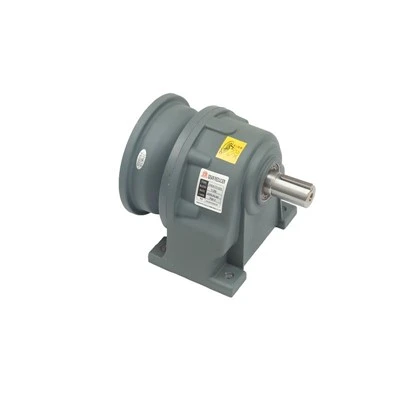
Selecting the right helical gear motor for a specific application is crucial to ensure optimal performance, efficiency, and longevity of your machinery. By considering the factors discussed in this blog post and working with a reputable helical gear motor supplier, you can make an informed decision and choose the right motor for your needs.
R Series Helical Gear Motors If you have any questions or need further assistance in selecting the right helical gear motor for your application, please don’t hesitate to contact us. We are here to help you find the perfect solution for your specific needs.
References
- "Helical Gear Motors: Principles, Types, and Applications." Industrial Motor Handbook.
- "Selection Guide for Helical Gear Motors." Manufacturer’s Technical Documentation.
- "Motor Efficiency and Energy Conservation." Energy Efficiency Guide for Industrial Motors.
GuangDong Ruisico Transmission Technology Co., Ltd.
Guangdong Ruisico Transmission Technology Co., Ltd. is one of the most reliable helical gear motors manufacturers and suppliers in China, also supports customized service. Welcome to buy durable helical gear motors made in China here and get quotation from our factory. For price consultation, contact us.
Address: No. 70, Anjing Road, Shengfeng Community, Xiaolan Town, Zhongshan City
E-mail: info@risc-drive.com
WebSite: https://www.risc-motor.com/
