If you’ve ever walked into a building on a sweltering summer day and wondered how the air stays evenly cool, or stepped into a heated office in winter that doesn’t feel drafty, you’ve got insulated air ducts to thank. As someone who’s been supplying these ducts for over a decade, I can’t tell you how many times people ask me, “Wait, aren’t all air ducts just metal tubes? What’s the big deal with insulation?” Let me break this down, because the safety features of insulated air ducts go way beyond just keeping air at the right temperature—they’re the unsung heroes of building safety, and I’d know, I see the mistakes uninsulated duct systems make every single week. Insulated Air Duct
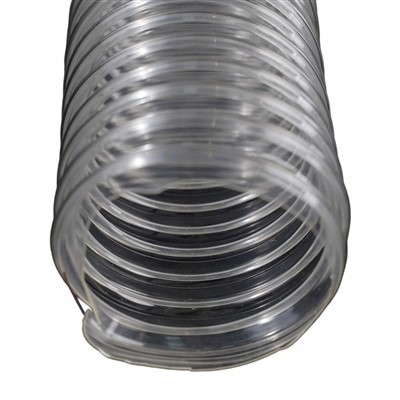
First off, let’s cut through the confusion: when we talk about insulated air ducts, we’re not just wrapping a blanket around a metal pipe. We’re combining high-performance insulation materials with specialized duct core design, tailored for the specific space they’re going into—think residential attics, commercial basements, hospital hallways, even industrial warehouses. The safety elements are baked into every layer, not just a afterthought. Let’s start with the one that’s probably the most obvious, but also the most commonly overlooked: fire resistance.
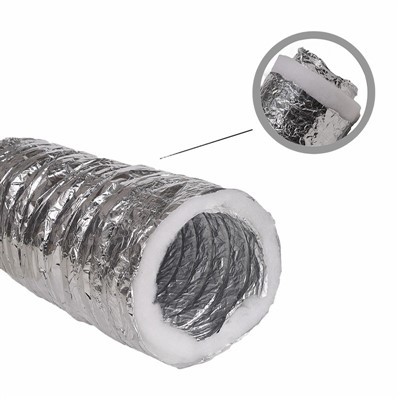
You’d think metal ducts don’t burn, right? But here’s the thing—metal, especially thin-gauge duct steel, heats up like crazy when exposed to flames. Uninsulated ducts can reach temperatures hot enough to warp in minutes, which not only makes them collapse (blocking airflow) but also creates a highway for fire to spread through the building’s ductwork network. Insulated ducts, though, use insulation materials that are inherently non-combustible. The core we supply, for example, is lined with fiberglass that’s rated Class A for flame spread and smoke development—that’s the highest rating you can get in North America. That means when there’s a fire, the insulation doesn’t catch fire, and it slows down the heat transfer to the metal duct. So the duct stays cooler, doesn’t warp, and keeps its shape long enough for firefighters to get the situation under control. I remember a job last year where a small electrical fire in a restaurant’s ceiling spread to the duct chase. The insulated ducts there didn’t warp, so the fire didn’t spread through the HVAC system to the rest of the dining area—saved that place from closing down for weeks, easy. Compare that to a nearby spot that had uninsulated ducts; their duct metal warped in 90 seconds, and the fire jumped three floors before anyone even hit the alarm.
Next up, thermal stability, which ties into both safety and energy efficiency, but let’s focus on the safety side first. Uninsulated ducts that run through unconditioned spaces—like attics in the summer, or crawl spaces in the winter—develop condensation all the time. That’s just water vapor turning to liquid when the duct’s surface is colder than the air around it. What’s the big deal with condensation? Well, if it’s dripping onto electrical wires, that’s an electrocution risk. If it pools around wooden joists or ceiling beams, it leads to mold growth, which is a huge health hazard—mold spores can trigger asthma, allergies, even respiratory infections, especially in kids or people with compromised immune systems. Insulated air ducts eliminate that condensation, because the insulation creates a barrier between the cold air inside the duct and the warm, moist air outside. I’ve had a homeowner tell me they had to replace their attic insulation three times because the old ducts were dripping water onto it, leading to rot. When we installed our insulated ducts, that problem was gone within a month, and their energy bills dropped too—win-win.
Then there’s acoustic safety, which people don’t usually think of as a safety feature, but hear me out. Excessive noise from HVAC systems isn’t just annoying—it’s a health risk. Long-term exposure to noise levels above 85 decibels can cause hearing loss, stress, sleep disturbances, even high blood pressure. Uninsulated metal ducts carry the sound of the blower motor, air rushing through the pipes, and even noises from adjacent rooms or outside directly into the living spaces. The fiberglass insulation in our ducts absorbs that sound—studies show it cuts duct noise by up to 50%, which is why hospitals, schools, and apartment complexes use them so much. A while back, we worked on a senior living facility that was having complaints from residents about loud duct noise keeping them up at night. The uninsulated ducts were measuring at 62 decibels in their bedrooms— that’s as loud as normal conversation, but constant. When we swapped to insulated ducts, that dropped to 38 decibels, which is quieter than a library. The residents’ sleep quality improved so much, the facility had fewer complaints about fatigue-related issues—definitely a safety win that doesn’t get talked about enough.
Wait, let’s not forget air quality safety, which is a huge one post-pandemic. Uninsulated duct systems can develop all kinds of issues that hurt indoor air quality (IAQ). The condensation we talked about earlier leads to mold, but also, uninsulated metal ducts can corrode over time, especially if they’re in damp spaces. Corrosion creates rust flakes that get blown into the air you breathe. Also, without insulation, ducts can pull in unconditioned, dirty air from attics or crawl spaces—air that has dust, pollen, rodent dander, even volatile organic compounds (VOCs) from stored chemicals. Our insulated ducts have an air-tight seal around the insulation, so there’s no air leakage. Plus, the fiberglass core is treated to resist mold and microbial growth, so you’re not blowing that gunk into your home or office. A school district in Texas switched to our ducts a couple years ago because their old system was making 30% of the kids sick with allergy symptoms. After installation, those numbers dropped to under 5%, and the nurses’ office saw way fewer respiratory-related visits. That’s the kind of impact we’re talking about.
Another safety feature that’s super important for commercial and industrial spaces, especially: pressure control. Insulated air ducts are designed to maintain consistent air pressure as it moves through the system, right? Uninsulated ducts, because they can flex a little if they’re not secured properly (and thin metal is flexible), can develop pressure drops. That means the air flow isn’t even, so some rooms get too much air and some get too little. For industrial facilities, that can be a problem in areas where you need specific air flow for machinery—like clean rooms for electronics manufacturing, or labs that require fume extraction. If the pressure is off, fumes might not get vented out, leading to hazardous air concentrations. Or in a retail store, uneven air flow means some areas are too hot or too cold, which is bad for customers, but also, if the system has to work harder to compensate for pressure drops, it uses more energy, but that’s a side note. Wait, actually, pressure drops can also cause the blower motor to overwork, which increases the risk of overheating and even electrical fires. Insulated ducts are rigid, so they hold their shape, maintain consistent pressure, and reduce strain on the HVAC system—less strain means less chance of electrical issues, that’s a safety link I don’t see a lot of other suppliers mention.
Oh, and let’s talk about installation-related safety, because that’s something that affects the end user. Insulated air ducts are lighter than uninsulated metal ducts—fiberglass insulation adds thickness, but we design our ducts to be lightweight so they’re easier to install, which means less risk of injury during installation for the workers. But also, once they’re up, they’re less likely to sag. Uninsulated metal ducts can sag over time, especially if they’re in an attic with fluctuating temperatures, which can create gaps where air leaks out, or even cause the duct to disconnect, leading to a sudden burst of air, or worse, if it’s a gas furnace duct, a leak of carbon monoxide. Our insulated ducts are secured with specialized hangers that keep them in place, so sagging is almost non-existent. I’ve seen old metal ducts that sagged so much they were touching ceiling joists, which was a fire risk because the hot air inside was heating the wood. Insulated ducts eliminate that risk too.
Wait, I want to make sure I’m not just listing features without grounding this in real life. A lot of customers come to me thinking “insulated ducts are just for saving money on energy bills.” And yeah, they do cut energy costs by 20-30%, which is a big plus. But the safety stuff? That’s why we’ve been in business for 12 years, because we focus on that more than the energy savings (though they go hand in hand). Let’s be clear: not all insulated ducts are created equal. Some cheap suppliers use insulation that’s not Class A rated, or doesn’t have the moisture resistance we do, or uses thin metal that still warps. That’s why I always tell people to check the ratings: fire resistance, smoke development, mold resistance, air leakage. Those are the numbers that matter for safety, not just how “soft” the insulation is.
I also get a lot of questions about residential vs commercial. For homes, the big safety wins are no condensation (no mold, no electrical risks), better air quality, less noise. For offices, hospitals, schools, it’s fire resistance, IAQ, pressure control. For warehouses or industrial spaces, it’s also about withstanding extreme temperatures—our insulation can handle temperatures up to 200 degrees Fahrenheit without breaking down, so if you have a space where there’s nearby machinery that generates heat, the ducts won’t degrade, which is another safety point.
Wait, one thing I haven’t touched on: carbon monoxide prevention. That’s a huge one for homes with gas furnaces. If your furnace is connected to uninsulated ducts, and the ducts have gaps (which they almost always do over time), carbon monoxide from the furnace can seep into the ductwork and get blown into the living spaces. Insulated ducts are air-sealed, so that doesn’t happen. We’ve had a few cases where after installing our ducts, homeowners got their CO detectors tested and levels were zero, whereas before they were reading low levels that were triggering the detector at night. That’s life-saving, right? Carbon monoxide is odorless, so you don’t know it’s there until it’s too late. That’s a safety feature I don’t think enough people talk about.
Let me wrap this up. The next time someone asks you why insulated air ducts are worth the investment, don’t just say “they save energy.” Tell them about the fire resistance that stops flames from spreading through the building. Tell them about the moisture barrier that prevents mold and condensation-related electrical hazards. Tell them about the acoustic properties that protect your hearing and your sleep. Tell them about the air tightness that keeps carbon monoxide and other pollutants out. That’s the real value here. We’ve spent years perfecting our insulated duct systems because safety isn’t an afterthought—it’s the foundation of what we do.
If you’re upgrading your HVAC system, or building a new space, and you want to make sure your ductwork isn’t just moving air, but protecting everyone in the building, we’re here to help. We can walk you through the specific safety ratings, help you pick the right size and type for your space, and make sure everything is installed correctly so you get all those safety benefits. Don’t wait until a small issue turns into a big problem—reach out whenever you’re ready to chat through your needs.
Multilayer PVC Pipe References
- National Fire Protection Association (NFPA). Standard for Air Conditioning and Ventilating Systems (NFPA 90A)
- U.S. Environmental Protection Agency (EPA). Indoor Air Quality in Commercial and Institutional Buildings
- American Society of Heating, Refrigerating and Air-Conditioning Engineers (ASHRAE). Thermal Insulation for HVAC Applications
- Occupational Safety and Health Administration (OSHA). Noise Exposure Standards for General Industry
Dongyang Hstube Co., Ltd.
As one of the leading insulated air duct manufacturers and suppliers in China, we warmly welcome you to wholesale cheap insulated air duct for sale here from our factory. If you have any enquiry about free sample, please feel free to email us. Quality products and reasonable price are available.
Address: NO.5 CHENGDONG ECOLOGICAL INDUSTRIAL ZONE, DONGYANG, ZHEJIANG, CHINA.
E-mail: sales@hstube.com
WebSite: https://www.ductword.com/
