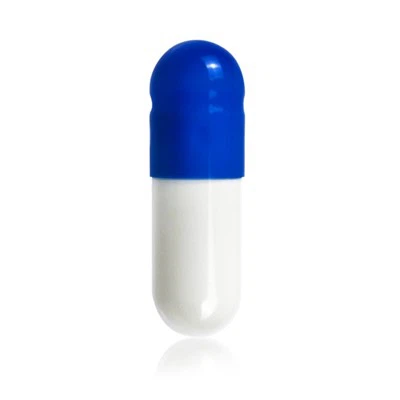
When it comes to pharmaceutical and nutraceutical delivery systems, two popular options stand out: liquid filled hard capsules and chewable tablets. As a supplier of liquid filled hard capsules, I’ve had the privilege of exploring the nuances of these delivery methods in depth. In this blog post, I’ll compare liquid filled hard capsules to chewable tablets across various aspects, highlighting the unique advantages of liquid filled hard capsules. Liquid Filled Hard Capsules
1. Bioavailability
Bioavailability is a crucial factor in determining how effectively a drug or nutrient is absorbed by the body. Liquid filled hard capsules often have an edge in this regard.
In a liquid filled hard capsule, the active ingredients are suspended or dissolved in a liquid medium. This pre – solubilized state allows for faster and more efficient absorption in the gastrointestinal tract. The liquid form can bypass the need for extensive disintegration and dissolution processes that solid dosage forms like chewable tablets must undergo.
Chewable tablets, on the other hand, are solid formulations. Although they are designed to be chewed, which helps to break them down to some extent, they still need to dissolve completely in the stomach before the active ingredients can be absorbed. This dissolution step can be time – consuming and may vary depending on individual physiological factors such as stomach pH and motility.
For example, in the case of fat – soluble vitamins like vitamin D, a key nutrient for bone health and immune function. When formulated in a liquid filled hard capsule with a suitable oil – based vehicle, the vitamin D can be readily absorbed by the lymphatic system. This is because the oil carrier mimics the natural environment in which fat – soluble substances are metabolized. In contrast, a chewable tablet containing vitamin D may need to rely on the body’s digestive enzymes to break down the tablet matrix and release the vitamin, which can lead to slower and less efficient absorption.
2. Taste and Patient Compliance
Taste can significantly impact patient compliance, especially for medications or supplements that need to be taken regularly. Chewable tablets are often marketed as a palatable option, as they can be flavored to mask the taste of the active ingredients. This makes them particularly suitable for children and patients who have difficulty swallowing traditional pills.
However, creating a palatable chewable tablet can be challenging. The process of compression during tablet manufacturing can sometimes affect the release of flavorings, leading to a less – than – ideal taste experience. Additionally, certain active ingredients may have a strong, unpleasant taste that is difficult to mask completely, even with flavorings.
Liquid filled hard capsules, conversely, offer a more effective way to conceal the taste of the active ingredients. The hard capsule shell acts as a barrier, preventing the taste of the liquid inside from reaching the taste buds until after the capsule has been swallowed. This is especially beneficial for substances with strong, bitter, or offensive tastes. For example, medications with a high – sulfur content, which often have a foul smell and taste, can be easily encapsulated in liquid form, providing a taste – neutral delivery option. This can lead to better patient compliance, as patients are more likely to take their medications or supplements as prescribed.
3. Dose Accuracy
Precision in dosing is essential for ensuring the safety and efficacy of medications and supplements. Liquid filled hard capsules provide a high level of dose accuracy.
The filling process of liquid filled hard capsules can be precisely controlled, allowing for accurate measurement of the active ingredients. The liquid formulation can be adjusted to contain a specific amount of the drug or nutrient per capsule, ensuring consistent dosing from one capsule to another. This is particularly important for drugs with a narrow therapeutic index, where even small variations in dosage can have significant consequences.
Chewable tablets, while also dosed based on a set formulation, can be more prone to variability. The process of tablet compression may lead to slight differences in the weight and density of individual tablets, which can translate into small variations in the amount of active ingredient per tablet. Additionally, if a patient breaks or splits a chewable tablet for a partial dose, it can be difficult to ensure accurate dosing.
4. Stability
The stability of the active ingredients is another critical consideration. Liquid filled hard capsules can offer better stability in some cases.
The liquid carrier in liquid filled hard capsules can be carefully selected to protect the active ingredients from environmental factors such as oxygen, moisture, and light. For example, antioxidants can be added to the liquid formulation to prevent oxidation of sensitive ingredients. Some liquid vehicles, such as certain oils, can also provide a protective environment for heat – sensitive substances.
Chewable tablets, being solid formulations, are generally more stable in terms of physical integrity. However, they are more exposed to environmental factors, as the tablet is typically in direct contact with air. The presence of excipients and the porous nature of the tablet matrix can make it more susceptible to moisture absorption, which can lead to degradation of the active ingredients over time. For example, a chewable tablet containing a water – soluble vitamin may start to lose potency if it is stored in a humid environment.
5. Manufacturing Flexibility
As a supplier of liquid filled hard capsules, I appreciate the manufacturing flexibility that this delivery system offers.
Liquid filled hard capsules can accommodate a wide range of active ingredients, including hydrophobic and hydrophilic substances. The liquid formulation allows for the combination of different types of ingredients that may be incompatible in a solid – state formulation. For example, a liquid filled hard capsule can contain both an oil – soluble drug and a water – soluble vitamin together in a single dosage form.
In contrast, the manufacturing of chewable tablets is more restricted. The ingredients need to be in a dry, powdered form for compression, and certain substances may not be suitable for tablet formulation due to their physical properties or interactions with other excipients. Additionally, the process of adding flavorings and colorings to chewable tablets can be more complex, as they need to be evenly distributed throughout the tablet matrix.
6. Market Trends and Consumer Preferences
Consumer preferences are constantly evolving, and market trends can significantly impact the demand for different dosage forms. In recent years, there has been a growing trend towards more convenient and effective delivery systems.
Liquid filled hard capsules are increasingly popular due to their perceived benefits in terms of bioavailability, taste, and stability. They are often associated with high – quality products, especially in the nutraceutical and dietary supplement markets. Consumers are becoming more educated about the importance of proper nutrient absorption, and liquid filled hard capsules are seen as a more efficient way to deliver essential vitamins, minerals, and other supplements.
Chewable tablets remain popular, particularly among children and the elderly. Their ease of use and pleasant taste make them a convenient option for these demographics. However, as the market matures and consumers become more discerning, there is a growing demand for innovative delivery systems that offer improved performance.
Conclusion
In conclusion, both liquid filled hard capsules and chewable tablets have their own unique advantages. Chewable tablets are a great option for patients who have difficulty swallowing and for products where taste is a primary concern. However, liquid filled hard capsules offer significant benefits in terms of bioavailability, dose accuracy, stability, and manufacturing flexibility.

If you’re in the pharmaceutical or nutraceutical industry and are looking for a high – quality delivery system for your products, I encourage you to consider liquid filled hard capsules. Our company offers state – of – the – art liquid filling technology and a wide range of options to meet your specific needs. Whether you’re developing a new drug or a dietary supplement, we can work with you to create a customized solution that maximizes the efficacy and appeal of your product.
HPMC Capsules If you’re interested in learning more about our liquid filled hard capsules or would like to discuss a potential collaboration, please don’t hesitate to reach out. We’re here to help you take your products to the next level.
References
- Anderson, B. D., & Felder, R. A. (1995). Estimation of oral drug bioavailability using Caco – 2 monolayers. Pharmaceutical Research, 12(1), 112 – 123.
- Gibson, G. R., & Williams, C. M. (2000). Dietary modulation of the human colonic microbiota: updating the concept of prebiotics. Nutrition Research Reviews, 13(1), 197 – 219.
- Jones, D. S. (2011). Bitter medicine: a social history of pharmacy in England, 1750 – 1948. Routledge.
- Luo, Y., & Prestidge, C. A. (2012). Lipid – based formulations for oral delivery of poorly water – soluble drugs: an overview of pharmaceutical aspects. Drug Development and Industrial Pharmacy, 38(6), 765 – 780.
Hubei Kornnac Pharmaceutical Co., Ltd.
Hubei Kornnac Pharmaceutical Co., Ltd. is one of the most professional liquid filled hard capsules manufacturers and suppliers in China, specialized in providing high quality OEM service. Welcome you to buy bulk customized liquid filled hard capsules at competitive price from our factory. Also, samples are available.
Address: No.439 Hebei Avenue, Chibi, Hubei Province, 437300, China.
E-mail: service@kornnaccaps.com
WebSite: https://www.kornnaccaps.com/
