A main control valve is a critical component in numerous industrial systems, serving as the linchpin for regulating fluid flow, pressure, and direction. As a seasoned main control valve supplier, I’ve witnessed firsthand the diverse scenarios where manual operation of these valves becomes not just an option but a necessity. In this blog, I’ll share comprehensive insights on how to operate the main control valve manually, underpinned by practical experience and industry best – practices. Main Control Valve

Understanding the Basics
Before delving into the manual operation, it’s essential to understand the fundamental design and function of a main control valve. Main control valves are engineered to manage the flow of liquids or gases within a pipeline. They come in various types, such as gate valves, ball valves, globe valves, and butterfly valves, each with its unique mechanical structure and operational characteristics.
Gate valves, for instance, use a flat gate to control flow. When fully open, the gate retracts completely, offering minimal flow resistance. Ball valves employ a ball with a hole in the center, and by rotating the ball, the flow can be started or stopped. Globe valves have a disk that moves up and down to regulate the flow, providing precise control. Butterfly valves use a circular disk centered in the pipe, which rotates to control the passage of the fluid.
Safety Precautions
Safety should always be the top priority when operating any industrial equipment, including main control valves. Here are some key safety steps to follow:
- Wear Appropriate PPE: Depending on the working environment, you may need to wear safety glasses, gloves, hard hats, and steel – toed boots. If the valve is handling hazardous materials, additional protective gear, such as chemical – resistant suits and respirators, might be necessary.
- Isolate the System: Before attempting to operate the valve manually, ensure that the system is properly isolated. This may involve shutting off upstream and downstream valves, relieving pressure, and draining any residual fluid from the valve and its associated piping.
- Check for Leaks: Inspect the valve and its connections for any signs of leaks before and after operation. Leaks can pose a significant safety hazard, especially when dealing with flammable, toxic, or corrosive substances.
Manual Operation Procedures
Step 1: Familiarize Yourself with the Valve
Before you start operating the valve, take a close look at its design. Identify the handwheel, lever, or other manual operating mechanisms. Read any labels or markings on the valve, which may indicate the direction of opening and closing (usually, a clockwise turn closes the valve, while a counter – clockwise turn opens it, but this can vary depending on the valve type).
Step 2: Determine the Current State of the Valve
It’s crucial to know whether the valve is currently open, closed, or partially open. Some valves have position indicators that show the approximate degree of opening. If not, you may need to exert a small amount of force on the operating mechanism to get a sense of its movement.
Step 3: Slow and Steady Operation
When manually operating the valve, apply a slow and steady force. Avoid using excessive force, as this can damage the valve components. For example, in gate valves, forcing the handwheel can cause the gate to jam or the stem to break.
Step 4: Monitor the System Response
As you operate the valve, keep an eye on the system. Pay attention to changes in pressure, flow rate, and any abnormal noises or vibrations. If you notice any irregularities, stop the operation immediately and assess the situation.
Step 5: Reach the Desired Position
Continue to operate the valve until you reach the desired position. For fully open or fully closed positions, you may feel a slight resistance or a positive stop indicating that the valve has reached its limit.
Troubleshooting Common Manual Operation Issues
Stiff or Difficult to Turn
If the valve is difficult to turn, it could be due to several reasons. One common cause is corrosion. Over time, the valve components can corrode, especially in harsh environments. In such cases, applying a suitable lubricant to the stem or other moving parts may help. Another reason could be debris or foreign objects stuck inside the valve. You may need to disassemble the valve carefully and clean it.
Leaking During Manual Operation
A leaking valve can be a serious problem. It could be due to a damaged valve seat, packing, or gasket. If the leak is minor, tightening the packing nuts or bolts may solve the issue. However, if the leak persists, you may need to replace the damaged components.
Inconsistent Positioning
If the valve does not seem to hold its position or the flow does not correspond to the valve position, there may be a problem with the internal mechanism. For example, the stem may be loose or the gate may be damaged. A thorough inspection and possible repair or replacement of the faulty parts are required.
Maintenance and Long – Term Care
Regular maintenance is key to ensuring the proper manual operation of main control valves over the long term. Here are some maintenance tips:
- Lubrication: Regularly lubricate the valve’s moving parts as per the manufacturer’s recommendations. This helps reduce friction, preventing wear and tear and ensuring smooth operation.
- Inspection: Conduct routine inspections of the valve for signs of corrosion, damage, or wear. Check the valve seat, packing, and gaskets for any leaks or deterioration.
- Testing: Periodically test the manual operation of the valve to ensure it functions correctly. This can help detect any potential issues early on.
When to Choose Manual Operation
While modern industrial systems often feature automated valve control, there are several scenarios where manual operation is preferred or necessary:
- Emergency Situations: In the event of a power outage or system failure, manual operation can provide a reliable way to control the flow of fluids and prevent accidents.
- Initial Commissioning and Troubleshooting: During the initial setup of a system or when troubleshooting problems, manual operation allows for precise control and observation of the valve’s behavior.
- Limited – Automation Environments: In some smaller industrial settings or older facilities, manual valves may be the norm due to cost – effectiveness or simplicity.
Conclusion
Manual operation of a main control valve is a skill that every operator in industrial systems should master. By understanding the valve’s basic design, following strict safety procedures, and using the proper techniques for operation and maintenance, you can ensure the reliable and efficient performance of these critical components.
As a leading main control valve supplier, we are committed to providing high – quality valves and comprehensive support to our customers. Our valves are designed and manufactured to the highest standards, ensuring durability and optimal performance. Whether you are looking for a specific type of valve for a new project or need to replace an existing one, we have the expertise and products to meet your needs.
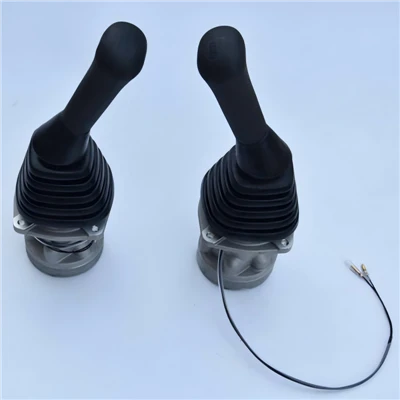
If you are interested in learning more about our main control valves or would like to discuss a potential purchase, please reach out to our sales team. We are always ready to assist you in finding the best valve solutions for your applications.
Cab Parts References
- "Valve Handbook: Principles, Selection, and Sizing" by J. Paul Tullis
- "Industrial Valves: Design, Selection, and Application" by Robert W. McKetta
Yantai Dayun Machinery Parts Co., Ltd.
As one of the most professional main control valve suppliers in China, we are committed to providing high quality products with low price. Please feel free to buy discount main control valve in stock here from our factory. Contact us for quotation and free sample.
Address: NO91, Zhenzhong Street, Fushan District, Yantai City
E-mail: dayunhyd5123@163.com
WebSite: https://www.dayunexcavator.com/
