Hey there, fellow artists! I’m an art paper supplier, and I know how crucial it is to pick the right paper for your paintings. With so many options out there, it can feel a bit like wandering through a maze. But don’t worry, I’m here to guide you through the process and help you make the best choice. Art Paper
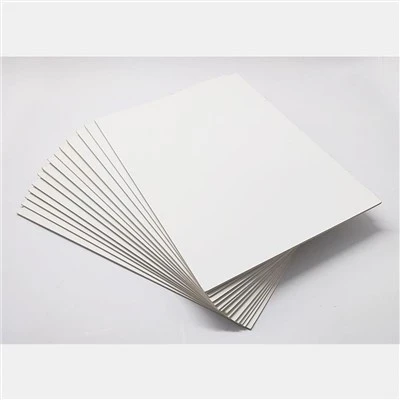
First things first, let’s talk about the different types of art paper. There are several main categories, each with its own unique characteristics and best – use scenarios.
Watercolor Paper
Watercolor paper is a favorite among artists who love working with water – based paints. It’s designed to absorb and hold the watercolor pigments without warping too much. There are three common textures for watercolor paper: rough, cold – pressed, and hot – pressed.
Rough watercolor paper has a very bumpy surface. This texture gives your paintings a lot of character and can create interesting effects with the watercolor. It’s great for landscape paintings where you want to show the ruggedness of terrain, like mountains or rocky coastlines. The rough surface catches the paint in the grooves, adding depth and dimension to your work.
Cold – pressed watercolor paper is the most popular choice. It has a medium – textured surface that’s smooth enough to let you create fine details but still has some tooth to hold the paint. It’s versatile and can be used for a wide range of subjects, from portraits to still – lifes.
Hot – pressed watercolor paper is the smoothest of the three. It’s ideal for detailed work, like botanical illustrations or delicate portraits. Since the surface is so smooth, the paint spreads evenly, allowing you to achieve very precise lines and subtle color blends.
When choosing watercolor paper, also pay attention to the weight. Heavier papers, usually 140 lb or 300 lb, are more resistant to warping when wet. If you’re doing large – scale watercolor paintings or using a lot of water, a heavier paper is a better bet.
Drawing Paper
Drawing paper is a general – purpose paper that’s suitable for various dry media, such as pencils, charcoal, and pastels. It comes in different weights and finishes.
For detailed pencil drawings, a smooth – finished drawing paper is a good option. It allows the pencil to glide smoothly across the surface, and you can build up layers of graphite for a rich, dark tone. The smooth surface also makes it easier to erase without leaving much damage to the paper.
If you’re working with charcoal or pastels, a paper with more tooth is recommended. Tooth refers to the roughness of the paper’s surface. Papers with tooth can hold the dry pigments better, preventing them from rubbing off easily. A medium – to heavy – weight drawing paper is usually best for these types of media, as it can withstand the pressure of applying the charcoal or pastels without tearing.
Canvas Paper
Canvas paper is a great alternative to traditional canvas. It has a canvas – like texture but is more lightweight and portable. It’s suitable for oil, acrylic, and even some water – based paints.
One of the advantages of canvas paper is that it’s less expensive than canvas. If you’re just starting out or want to experiment with different techniques, canvas paper can be a cost – effective option. It also dries faster than canvas, which is convenient if you’re working on a tight schedule.
When choosing canvas paper, look for one that’s primed. Priming helps the paint adhere better to the surface and prevents the paper from absorbing too much paint. The texture of the canvas paper can vary, from fine – grained to more coarse. A coarser texture can give your paintings a more rustic, traditional canvas look.
Mixed Media Paper
Mixed media paper is designed to handle a combination of different art materials. Whether you’re using watercolors, acrylics, pencils, or inks, this paper can take it. It’s a good choice for artists who like to experiment and combine different techniques in their work.
Mixed media paper usually has a high absorbency and can withstand multiple layers of paint and other media. It’s also durable, so you can work on it without worrying too much about the paper tearing or warping. Some mixed media papers are even acid – free, which means your artwork will last longer without fading or yellowing.
Now that we’ve covered the different types of art paper, let’s talk about some other factors to consider when making your choice.
Color
The color of the paper can have a big impact on your painting. White is the most common color, but there are also off – white, cream, and even colored papers available. A white paper provides a clean, neutral background that allows the colors in your painting to stand out. Off – white or cream papers can give your work a warmer, more vintage look. Colored papers can be used to create a specific mood or to add an extra element to your composition. For example, a blue – toned paper can work well for a winter landscape painting.
Acid Content
Acid – free paper is a must – have for long – term preservation of your artwork. Papers with acid can yellow and deteriorate over time, causing your paintings to lose their original quality. When you’re investing time and effort into your art, it’s worth choosing acid – free paper to ensure that your work lasts for generations.
Brand and Quality
Not all art papers are created equal. Different brands have different reputations for quality. It’s a good idea to do some research and read reviews from other artists. Some well – known brands are known for their high – quality watercolor papers, while others are great for drawing or mixed media. Don’t be afraid to try out different brands to find the one that works best for you. However, keep in mind that higher – quality papers usually come with a higher price tag. But if you’re serious about your art, it’s an investment that’s worth making.
Your Budget
Let’s face it, art supplies can get expensive. When choosing art paper, you need to consider your budget. If you’re on a tight budget, there are still plenty of affordable options available. You can look for sales, buy in bulk, or choose less expensive brands. However, don’t sacrifice quality completely. A very cheap paper may not perform well and could end up ruining your painting. Try to find a balance between cost and quality.
So, there you have it! A comprehensive guide on how to choose the right art paper for painting. As an art paper supplier, I’m always here to help you with any questions you may have. Whether you’re a beginner just starting out or an experienced artist looking for something new, I can provide you with the best art paper options to suit your needs.

If you’re interested in purchasing art paper or want to have a chat about the different types and which one would be best for your next project, don’t hesitate to reach out. Contact us to discuss your requirements and start creating amazing art on the perfect paper!
C1s Ivory Board References:
- "The Artist’s Handbook of Materials and Techniques" by Ralph Mayer
- "Watercolor for the Absolute Beginner" by Linda & Charlie Lapp
Dongguan Banyan Material Co., Ltd.
We are one of the most experienced art paper manufacturers and suppliers in China, also support customized service. Please feel free to wholesale bulk eco-friendly art paper from our factory. Quality products and reasonable price are available.
Address: NO.167, Meijing West Road, Songmushan, Dalang Town, Dongguan City, Guangdong Province, China
E-mail: Sales_chris@yspaper.com
WebSite: https://www.paperyoung.com/
