Hey there! As a supplier of hydraulic compactors, I’ve seen my fair share of issues that customers run into with these machines. Hydraulic compactors are super useful, but like any piece of equipment, they can have their problems. In this blog, I’m gonna talk about some common problems with hydraulic compactors and how you can solve them. Hydraulic Compactor

Leaking Hydraulic Fluid
One of the most common problems we see is hydraulic fluid leaking. This can be a real pain in the neck because it not only makes a mess but can also lead to other issues if left untreated.
There are a few reasons why hydraulic fluid might leak. First off, it could be due to worn-out seals. Over time, the seals in the hydraulic system can get damaged or worn from constant use and pressure. Another reason could be loose fittings. If the connections between the hoses and the components aren’t tight enough, fluid can seep out.
So, how do you solve this problem? Well, if it’s a seal issue, you’ll need to replace the worn seals. This might sound a bit complicated, but it’s actually not too bad. You just gotta find the right seals for your compactor and follow the manufacturer’s instructions for installation. And if it’s loose fittings, all you have to do is tighten them up. Use a wrench to make sure the connections are secure.
Overheating
Another common problem is overheating. Hydraulic compactors generate a lot of heat when they’re working hard, and if the heat isn’t properly managed, it can cause some serious damage.
Overheating can be caused by a few things. One of the main culprits is low hydraulic fluid levels. If there isn’t enough fluid in the system, it can’t effectively cool the components, and the temperature will start to rise. Another cause could be a clogged radiator or cooling fins. If these parts are blocked, the heat can’t escape, and the compactor will overheat.
To solve the overheating problem, start by checking the hydraulic fluid levels. If they’re low, add more fluid to the recommended level. Make sure to use the right type of fluid for your compactor. And if the radiator or cooling fins are clogged, clean them out. You can use a brush or compressed air to remove any dirt, debris, or dust that might be blocking the airflow.
Poor Compaction Performance
Sometimes customers come to us complaining that their hydraulic compactors aren’t achieving the desired compaction results. This can be really frustrating, especially when you’re trying to get a job done.
There are a few factors that can contribute to poor compaction performance. One possibility is that the soil type is wrong for the compactor. Different compactors are designed to work best with certain types of soil. If you’re trying to compact soil that the compactor isn’t suitable for, you won’t get good results. Another factor could be incorrect operating parameters. If the compactor isn’t set up properly, such as having the wrong frequency or amplitude, it won’t be able to compact the soil effectively.
To fix this problem, first, make sure you’re using the right compactor for the soil type. If you’re not sure, you can consult the manufacturer’s guidelines or even reach out to us for advice. And then, double-check the operating parameters. Make sure the frequency and amplitude settings are correct for the job you’re doing.
Noisy Operation
If your hydraulic compactor is making a lot of noise, it could be a sign of a problem. Excessive noise can be annoying, but it can also indicate that something is wrong with the machine.
One possible cause of noisy operation is air in the hydraulic system. When there’s air in the system, it can cause cavitation, which creates a loud, knocking noise. Another cause could be worn-out components, such as bearings or gears. As these parts wear down, they can start to make noise as they operate.
To solve the noise problem, if there’s air in the system, you’ll need to bleed the air out. This involves following the proper procedure to remove the air from the hydraulic lines. And if the noise is due to worn-out components, you’ll need to replace them. Inspect the bearings, gears, and other moving parts to see if they’re damaged or worn.
Electrical Issues
In modern hydraulic compactors, electrical components play a big role. And when these components malfunction, it can cause all sorts of problems.
One common electrical issue is a dead battery. If the battery isn’t holding a charge or is completely dead, the compactor won’t start. Another issue could be faulty wiring. If the wires are damaged or loose, it can disrupt the electrical system and cause problems with the controls or other functions.
To fix a dead battery, you can try charging it. If that doesn’t work, you might need to replace the battery. And for faulty wiring, you’ll need to inspect the wiring harness. Look for any signs of damage, such as frayed wires or loose connections. If you find any issues, you can either repair the wiring or replace the damaged section.
Maintenance Tips to Avoid Problems
Now that I’ve talked about some common problems and how to solve them, I wanna give you some maintenance tips to help you avoid these issues in the first place.
First of all, regular maintenance is key. Make sure to follow the manufacturer’s recommended maintenance schedule. This includes things like changing the hydraulic fluid, checking the filters, and inspecting the seals and hoses.
Secondly, keep the compactor clean. Dirt and debris can build up on the machine and cause problems over time. Use a pressure washer or a hose to clean the compactor after each use.
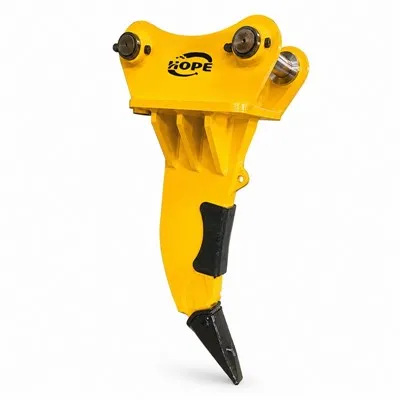
And finally, train your operators properly. They should know how to operate the compactor correctly and be able to recognize the signs of potential problems. This can help prevent issues from getting worse and save you a lot of time and money in the long run.
Conclusion
Hydraulic Breaker Well, there you have it! These are some of the most common problems with hydraulic compactors and how to solve them. As a supplier, I know how important it is to keep your equipment in good working condition. If you’re having any problems with your hydraulic compactor or if you’re thinking about buying one, don’t hesitate to reach out to us. We’re here to help you find the right solution and get the most out of your machine. Whether it’s technical advice, maintenance tips, or assistance with parts and repairs, we’ve got you covered. So, if you’re interested in purchasing a hydraulic compactor or need any support, just get in touch with us for a friendly chat and let’s start the conversation!
References
- Manufacturer’s manuals for various hydraulic compactors
- Industry publications on construction equipment maintenance and troubleshooting
Hope Precision Machinery Co., Ltd.
As one of the most professional hydraulic compactor manufacturers and suppliers in China, we also support customized service. Please feel free to buy high quality hydraulic compactor for sale here from our factory. For more information, contact us now.
Address: No.8 Shenzhen Street, Development Zone, Yantai,Shandong ,China
E-mail: lulu@hope-breaker.com
WebSite: https://www.hopeequip.com/
