Yo, what’s up! I’m a supplier of self – adhesive labels, and today I wanna chat about how long temporary self – adhesive labels can last. It’s a question I get asked a lot by customers, so I thought it’d be cool to break it down in a blog. Self-adhesive Labels
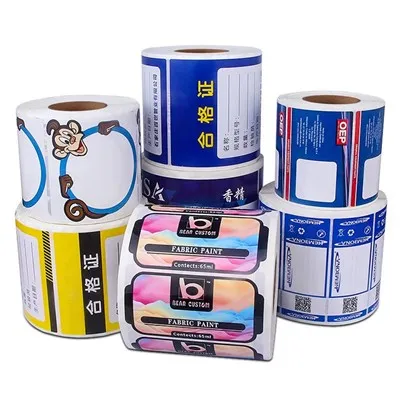
First off, let’s understand what we mean by "temporary" self – adhesive labels. These are labels that aren’t meant to be on a product or surface forever. They’re used for things like price tags in stores, event stickers, or promotional labels. Unlike permanent labels, which are designed to stick around for a long time, temporary labels need to come off easily without leaving a mess.
Now, the lifespan of a temporary self – adhesive label can vary big time. It depends on a bunch of factors, and I’ll go through them one by one.
The Quality of the Adhesive
The adhesive is the glue that makes the label stick. There are different types of adhesives out there, and their quality can really affect how long the label lasts.
Some adhesives are super strong. They’ll keep the label stuck for weeks or even months. But if you’re using a temporary label, you don’t want it to be too strong, or it’ll be a pain to remove. On the other hand, weak adhesives might not hold the label in place for very long.
For example, if you’re using a label with a low – tack adhesive, it might only last a few days. This kind of adhesive is great for things like sample stickers on products. You can easily peel them off when you’re done with the sample. But if you need the label to stay on for a bit longer, say a couple of weeks, you’ll want to go for a medium – tack adhesive.
The Surface It’s Applied To
The surface where you stick the label matters a lot. Smooth, clean surfaces like glass or plastic are great for temporary labels. The adhesive can bond well to these surfaces, and the label is likely to last longer.
Let’s say you stick a temporary price tag on a glass bottle. If the bottle is clean and dry, the label can stay on for a good while, maybe a few weeks. But if the surface is rough, like wood or fabric, the label might not last as long. The adhesive has a harder time sticking to the uneven surface, so it could start to peel off in a few days.
Another thing to think about is the chemical properties of the surface. Some materials might react with the adhesive, causing it to break down faster. For example, if you stick a label on a surface that has grease or oil on it, the adhesive won’t bond properly, and the label will fall off quickly.
Environmental Conditions
The environment where the label is placed can have a huge impact on its lifespan. Humidity, temperature, and sunlight are the main factors to consider.
Humidity: High humidity can make the adhesive soft and less sticky. If you’re in a really humid place, like a bathroom or a basement, the label might start to peel off in a few days. On the other hand, low humidity can make the adhesive brittle, which also affects its sticking power.
Temperature: Extreme temperatures are not good for temporary labels. In hot weather, the adhesive can melt or become too soft, causing the label to slide off. In cold weather, the adhesive can become stiff and lose its ability to stick. For example, if you put a label on a product that’s going to be stored in a freezer, it might not last very long because of the cold temperature.
Sunlight: Ultraviolet (UV) rays from the sun can damage the adhesive and the label itself. If a label is exposed to direct sunlight for a long time, it can fade and the adhesive can break down. This means the label will start to come off more easily. So, if you’re using labels outdoors, you’ll need to choose an adhesive that’s resistant to UV rays.
The Type of Label Material
The material the label is made of also plays a role in how long it lasts. There are different types of label materials, such as paper, vinyl, and polyester.
Paper labels are the most common type of temporary label. They’re cheap and easy to print on. But they’re also more prone to damage from moisture and wear and tear. A paper label might last a few days to a couple of weeks, depending on the conditions.
Vinyl labels are more durable than paper labels. They’re water – resistant and can withstand some rough handling. A vinyl temporary label can last a few weeks to a few months, depending on the adhesive and the environment.
Polyester labels are the most durable of the three. They’re resistant to chemicals, moisture, and UV rays. They can last for several months to a year in normal conditions. However, they’re also more expensive than paper and vinyl labels.
Real – World Examples
Let me give you some real – world examples to help you understand better.
Example 1: Store Price Tags
In a grocery store, price tags are usually temporary labels. These are often paper labels with a medium – tack adhesive. They’re applied to smooth plastic or glass product surfaces. In a normal store environment (moderate temperature and humidity), these price tags can last about 2 – 3 weeks. But if the store is near a freezer section where it’s colder, or if there’s a lot of moisture in the air (like in the produce section), the tags might start to peel off in a week or less.
Example 2: Event Stickers
Event stickers are used to mark attendees or products at events. These are often vinyl labels with a low – to medium – tack adhesive. If the event is held indoors in a controlled environment, the stickers can last for the duration of the event, which could be a few days. But if the event is outdoors, exposed to sunlight and wind, the stickers might start to fade and peel off after a day or two.
How to Make Temporary Labels Last Longer
If you want your temporary labels to last as long as possible, here are some tips:
- Choose the right adhesive: Based on how long you need the label to stay on and the surface it’ll be applied to, pick the appropriate adhesive.
- Prepare the surface: Make sure the surface is clean and dry before applying the label. This will help the adhesive bond better.
- Protect from the environment: If possible, keep the labeled products away from extreme temperatures, humidity, and sunlight.

So, to sum it up, the lifespan of temporary self – adhesive labels can range from a few days to a few months or even a year, depending on the quality of the adhesive, the surface, the environmental conditions, and the type of label material.
Self-adhesive Labels If you’re in the market for temporary self – adhesive labels, I’m here to help. I’ve got a wide range of options in terms of materials, adhesives, and sizes. Whether you need labels for a small event or a big retail operation, I can provide you with high – quality products that meet your specific needs. Just reach out to me if you’re interested in learning more or starting a purchase. I’d love to have a chat and see how I can assist you.
References
- Packaging Digest. "Understanding Adhesives for Labels."
- Label and Narrow Web. "Factors Affecting Label Lifespan."
- Tape and Label Council of North America. "Guide to Temporary Label Adhesives."
Nanjing Green Label Printing Co., Ltd.
We are one of the most professional self-adhesive labels manufacturers and suppliers in China, also support customized service. We warmly welcome you to wholesale high quality self-adhesive labels at competitive price from our factory. For pricelist and quotation, contact us now.
Address: No. 116-3 Suyuan Avenue, Jiangning District, Nanjing
E-mail: greenlabel@126.com
WebSite: https://www.chinalabelprint.com/
