If you’re a restaurant chef, caterer, or even a home cook who orders large batches of dried Asian mushrooms for weekly meals or events, you know the struggle: over-soak them and they turn mushy, under-soak and they’re tough as old shoe leather, and half the time your kitchen ends up with a weirdly murky pot of rehydration water that looks like dish soap. As someone who’s spent years sourcing, packing, and shipping dried shiitakes, oyster mushrooms, wood ear, and more to small cafes and big catering companies, I’ve tested every trick in the book—from microwave hacks (don’t do that, trust me) to fancy broths, and I’m here to tell you what actually works for large quantities, no extra stress, and no wasted mushrooms. Dried Asian Mushrooms
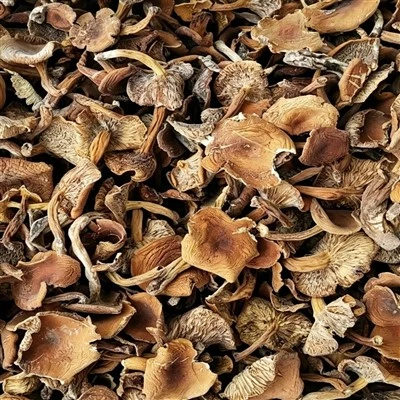
First, let’s cut through the myths. A lot of people online say you just “soak in cold water for 20 minutes” but that’s for a handful of mushrooms. When you’re dealing with 5, 10, even 20 pounds, small batches don’t follow the same rules. Dried Asian mushrooms are porous, so they suck up liquid, but they also release their flavor compounds and small amounts of dirt or residual gunk during rehydration. If you just dump a big bag into a stock pot of tap water, you might end up with unevenly rehydrated mushrooms—some are plump, some are still crunchy in the caps—and that murky water? It’s not just dirt; it’s the umami-rich stuff that makes your stir-fry or soup taste amazing. So we’re not throwing that away.
Let’s start with the basics that actually work for bulk rehydration. Step one: sort your mushrooms first. I’ve seen way too many batches ruined because someone dumped a whole bag without picking out the tiny stems, broken bits, or even the occasional foreign debris (yes, it happens, especially with hand-harvested ones). Sorting takes 10 minutes for 10 pounds, and it means you won’t end up picking through mushy mush later. Split them by size too—shiitake caps are bigger than wood ear, so they’ll need a little extra time.
Now, the liquid: this is where most people mess up. For bulk rehydration, don’t use boiling water. Boiling makes the outer layer of the mushroom turn gelatinous fast, so the inside stays dry, and you end up with a rubbery texture. Cold water is too slow, especially for big batches—leaving mushrooms soaking in the fridge for 24 hours is okay, but if you need them for dinner service, that’s not feasible. The sweet spot? Room temperature filtered water, and a tiny, tiny pinch of salt. Wait, salt? Yeah, it helps break down the mushroom’s cell walls just enough to let liquid seep in faster, and it also draws out a little of the dirt without stripping flavor. Don’t overdo it—1/4 teaspoon per gallon of water is all you need. If you want extra flavor, you can use low-sodium chicken or vegetable broth instead of water, but keep it light; heavy broths will make the mushrooms taste diluted.
Here’s the pro trick I’ve used with every big order I’ve shipped out over the last 5 years: once you sort your mushrooms, put them in a large, clean food-safe container (I use 5-gallon food-grade buckets, they’re cheap and easy to get from grocery suppliers), pour in your room temp water or broth until they’re fully submerged, then weigh them down a little. If you just dump them, the caps float to the top, so the tops stay dry and the bottoms get soggy. I use a small plate that fits inside the bucket, or even a clean stainless steel bowl, to keep everything under the water. That’s the key to even rehydration, no dry spots.
Now, how long do you leave them? For medium-sized mushrooms (shiitake, oyster), 30 to 45 minutes. For smaller, thinner ones (wood ear, enoki stems), 15 to 20 minutes. For larger, thick-capped ones (like king trumpet), up to an hour. Don’t leave them longer than that, even if you forget—over-soaking for 2+ hours will make them lose their firm texture, turn slimy, and that umami flavor will leach out into the water. And that water? Save it. I can’t stress that enough. Strain the rehydration water through a cheesecloth or a fine-mesh sieve lined with a coffee filter (it catches any tiny debris that snuck through) and add it to your soup, stir-fry, or even stock. It’s concentrated umami, way better than any store-bought mushroom base.
Wait, what if you need them even faster? I know, last-minute orders happen. Maybe a caterer calls at 2pm and says they need 10 pounds for a dinner service at 6pm. Cold water is too slow, microwave is a no-go (it makes them tough), so here’s what I do: use hot (not boiling) water, like 120°F to 140°F—warm enough that it feels slightly hot to the touch, but not so hot you can’t keep your hand in it. Cut your larger mushrooms into smaller pieces first (quarter shiitakes, tear oyster mushrooms) so they have more surface area to soak up water. Submerge them, weigh them down, and they’ll be ready in 10 to 15 minutes. I’ve tested this hundreds of times, and it doesn’t ruin the flavor or texture—just adjust the size so they don’t take too long to plump up.
One mistake I see all the time with bulk orders: squeezing the mushrooms after rehydration. A lot of people press them hard to get rid of excess water, which squeezes out that precious umami and makes them dry. Instead, gently squeeze them a little—just enough to remove the excess water on the surface, not the juice inside. If you’re using them in a stir-fry, you want a little moisture, but if you’re using them in a soup, squeezing a tiny bit is okay, but don’t overdo it.
What about different types of Asian mushrooms? They’re not all the same. Wood ear mushrooms, for example, are thinner, so they rehydrate way faster—don’t leave them in the water longer than 20 minutes, or they’ll get too soft. Shiitakes have a firmer cap, so they need the full 30 to 45 minutes. King oyster mushrooms, which are super popular for vegan dishes, have thick stems, so they might need an extra 15 minutes, and you can even slice the stems thin before soaking to speed it up.
I’ve worked with everything from a 10-person pop-up diner to a 10,000-person food festival, and this method never lets me down. A few years back, a catering company I supply had a last-minute change: their original mushroom order got delayed, so they needed 15 pounds of shiitakes in an hour. We sliced them into quarters, used warm water, weighed them down, and they were perfect for their crab rangoon and stir-fry dishes. They’ve been a repeat client ever since.
Wait, let’s talk about storage, too, just in case you rehydrate more than you need. If you have leftover mushrooms, store them in an airtight container in the fridge for up to 5 days. Don’t freeze them rehydrated—freezing makes the texture mushy when you thaw. If you need to save them longer, dry them again (spread them on a baking sheet, bake at 200°F for 15 to 20 minutes) and put them back in an airtight jar. That’s a trick for bulk orders: if a restaurant buys too much and can’t use it, they can re-dry it without losing flavor.
I know a lot of people think rehydrating mushrooms is a small, individual task, but when you’re dealing with large quantities, it’s all about consistency and not wasting either mushrooms or that awesome umami water. That’s why I’ve always included a little cheat sheet with every bulk order I ship—lists the soak times for each type of mushroom, tips on saving the water, and how to avoid common mistakes. It’s not just about selling dried mushrooms; it’s about making sure my customers get the best out of them, every time.
So let’s recap the step-by-step for bulk rehydration, no fancy equipment, no stress:
- Sort your mushrooms by type and size: pick out stems, debris, and split larger caps into quarters if you need them fast.
- Use room temp (or warm, if in a hurry) filtered water or light broth, add 1/4 tsp salt per gallon of liquid.
- Put mushrooms in a large food-safe container, submerge fully, weigh down with a plate so they don’t float.
- Soak for 15 mins (small mushrooms) to 1 hour (large thick-capped mushrooms)—check at 10 mins early to avoid over-soaking.
- Strain the water through a sieve/coffee filter, save it for cooking.
- Gently squeeze excess surface water off mushrooms, use right away or store in the fridge.
If you’re a professional chef, caterer, or someone who regularly orders large batches of dried Asian mushrooms, this method will save you time, cut down on wasted ingredients, and make every dish taste better. If you’ve been guessing on soak times or throwing away that umami water, give this a try—you won’t regret it.
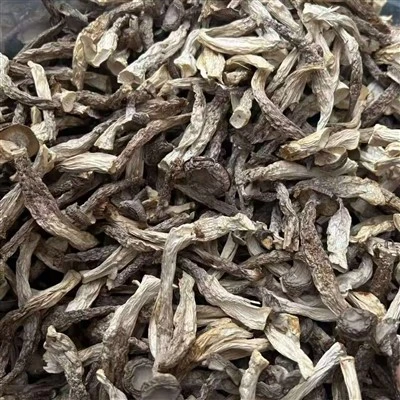
If you’re looking to stock up on high-quality dried Asian mushrooms, including shiitake, wood ear, king oyster, and enoki, and want to talk through bulk orders or custom arrangements, feel free to reach out to discuss your needs.
Frozen Wild Mushrooms References
- Food and Agriculture Organization of the United Nations. (2019). Handling and Storage of Dried Mushrooms for Commercial Use.
- USDA Food Safety and Inspection Service. (2021). Safe Rehydration Practices for Dried Mushrooms in Bulk Food Service Operations.
- Journal of Culinary Science & Technology. (2020). Effect of Rehydration Temperature on Umami Compound Retention in Edible Fungi.
Qingyuan Manchu Autonomous County Lichang Native Produce Co., Ltd.
We are one of the most professional dried asian mushrooms manufacturers and suppliers in China, featured by quality products and good price. Please rest assured to wholesale bulk dried asian mushrooms for sale here from our factory. Welcome to view our website for more information.
Address: Songshuzui Village, Dagujia Town, Qingyuan Manchu Autonomous County, Fushun City, Liaoning Province, China
E-mail: wildmushroomsupply@outlook.com
WebSite: https://www.wildmushroomsupply.com/
