If you’ve spent any time messing around with bass boats, flats skiffs, or even center consoles, you’ve probably heard folks talk about jack plates like they’re some kind of magic upgrade. And yeah, they are— but only if you have the right hardware to back ’em up. I’m a boat hardware supplier, and I’ve seen way too many guys grab a cheap jack plate off eBay and half-ass the install, only to have it wiggle, leak, or fall apart mid-run. Today we’re breaking down exactly what hardware you actually need to make a jack plate work right— no fluff, no fancy jargon, just the stuff that’ll keep you on the water and not in the shop. Boat Hardware
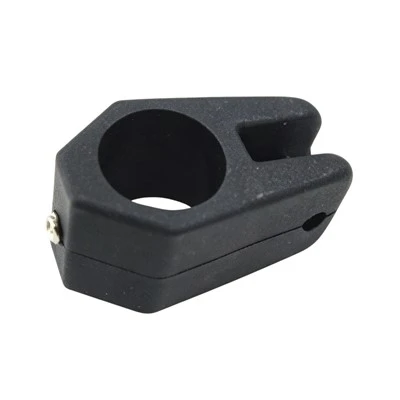
First off, let’s get the basics straight: a jack plate’s whole job is to let you move your outboard up and down, which changes your boat’s draft, top speed, and even how it handles in rough water. But the plate itself is just a hunk of aluminum. The hardware that connects it to your boat and your motor is what makes or breaks the whole setup. Skip a single part, and you’re asking for trouble. Let’s start with the big one: the mounting bolts that attach the jack plate to your transom. This isn’t your average hardware store bolt, folks. Transoms take a beating— saltwater corrosion, vibration from a 200HP motor screaming at 6,000 RPM, even a rogue wave slamming the back of the boat. So you can’t use a regular steel bolt. You need marine-grade stainless steel, specifically 316 stainless. That’s the stuff that doesn’t rust even if you leave your boat in the slip 24/7.
Wait, and not just any 316 bolt— you need high-tensile strength, too. I’ve had guys come to me with a broken bolt that was too soft, and it snapped right in half when they jacked the motor all the way up. For most jack plates, those bolts are going to be between 3/8-inch and 1/2-inch, depending on your motor’s horsepower. Rule of thumb: the bigger your motor, the bigger the bolt. Also, don’t skimp on length. You want the bolt to go all the way through the transom, plus have enough thread to tighten a nut on the back. If it’s too short, you won’t get a secure hold. And don’t forget washers— lock washers and flat washers, both stainless. The flat washer spreads the load so the bolt doesn’t dig into the transom, and the lock washer keeps it from working loose from vibration. Way too many people skip the lock washers, and after a few runs, your bolts will back right out. That’s a nightmare waiting to happen.
Next up: the bolts that attach the outboard motor to the jack plate. This is another part people get wrong. The motor’s own mounting holes are specific, so you can’t just use any bolt here either. Again, 316 stainless is non-negotiable. But these bolts are usually metric, not standard, so double-check your motor’s manual to get the right size. I see it all the time: guys grab a bolt that’s a hair too short, and it doesn’t thread all the way into the motor’s mounting studs. That makes the motor wiggle, which ruins your alignment, kills your speed, and can even damage the motor’s transom mounts over time. Also, make sure these bolts have a grade that’s compatible with marine use— avoid cheap chrome bolts, they’ll corrode fast. And yeah, washers here too— a lock washer between the nut and the motor mount, so it doesn’t loosen up mid-takeoff.
Now, what about the hydraulic or manual components that make the jack plate move? If you’ve got a hydraulic jack plate (the most common type these days for larger boats), you need hydraulic lines and fittings. This is where cheap stuff will bite you. I’ve seen a guy buy a jack plate with plastic hydraulic lines, and within a month, the lines cracked from saltwater and vibration, leaving him stranded 5 miles out. You need stainless steel braided hydraulic lines, not rubber. Rubber lines break down fast in sunlight and salt, and they’re not rated for the pressure a jack plate’s hydraulic system puts out. The fittings too— they have to be 316 stainless, no exceptions. Brass fittings will corrode, and aluminum ones are too soft. If your hydraulic lines use JIC fittings (the standard for marine hydraulics), make sure the fittings are compatible with both the line and the jack plate’s ports. No cross-threading here— that’s a leak waiting to happen.
For manual jack plates, which are still popular for smaller boats or budget setups, you have different hardware. Most manual ones use a screw jack or a pin system to lock the plate in place at different heights. If it’s a screw jack, you need a heavy-duty screw— again, 316 stainless, because it’s going in and out of the transom, exposed to water. The locking pins are another big one. These are the pins that slide into holes on the jack plate to hold it at your desired height. They need to be thick enough to take the weight of the motor, and stainless so they don’t rust solid. I’ve had customers come in with pins that seized up because they used a cheap steel pin, and they couldn’t adjust the plate at all. Also, make sure the locking pin has a lanyard or a retention clip— if you lose the pin while you’re on the water, your plate will drop all the way down, and that’s gonna mess up your ride bad.
Wait, what about transom reinforcement plates? A lot of people overlook this, especially if they have an older boat with a thin transom. The jack plate spreads the motor’s weight over a larger area, but if your transom is fiberglass or wood, it can crack over time without extra reinforcement. That’s where backing plates come in— stainless steel backing plates that go on the inside of the transom, behind the jack plate’s mounting bolts. These distribute the pressure evenly, so you don’t end up with a hole in your transom from the bolts pulling through. I always tell guys: if your boat is over 10 years old, or if you’re putting a motor over 150HP on it, get the backing plates. It’s a cheap add-on that saves you thousands in transom repairs.
And don’t forget sealant and hardware for leaks. The transom is a sealed space, right? You don’t want water getting into your boat’s stringers or interior through the jack plate mounting holes. That’s a huge problem— water intrusion rots wood stringers, causes mold, and can even sink your boat if it’s bad. So you need a marine-grade sealant, not your regular caulk. Look for a polyurethane sealant that’s resistant to saltwater, UV, and vibration. Apply a thin bead around each hole before you put the bolt in, and also between the jack plate and the transom. That’ll keep water out. Also, some jack plates come with rubber gaskets for the base— use those! They’re designed to create a tight seal between the plate and the transom, so don’t skip ’em.
Let’s talk about a few extra parts that are easy to miss, but super important. If you have a hydraulic jack plate, you need a reservoir for the hydraulic fluid. Some jack plates come with one, but make sure it’s mounted securely— usually with stainless steel mounting brackets and bolts. If the reservoir bounces around, it can leak or get damaged. Also, hydraulic fluid itself— use the stuff the jack plate manufacturer recommends, not just any old hydraulic fluid. Using the wrong fluid can damage the seals, leading to leaks. For manual jack plates, if yours has a hand crank, make sure the crank’s mounting hardware is sturdy. A wobbly crank makes adjusting the plate a pain, and can even break off if you’re forcing it.
Now, let’s get real— common mistakes I see all the time. First, using steel hardware instead of 316 stainless. Saltwater is brutal on regular steel, even if you paint it. That paint will chip, and then the steel rusts, expands, and cracks your transom. Second, skipping lock washers. Vibration from the motor will make any bolt loosen over time. No lock washer = loose bolts = bad news. Third, not checking the torque on your bolts after the first few runs. When you first install the jack plate, torque the bolts to the manufacturer’s specs, then go back after 10 hours of running and re-torque them. The vibration will settle the bolts, and you’ll catch any that are loose before they cause problems. Fourth, ignoring sealant. I’ve seen too many guys skip it, and a year later, they have water in their bilge that they didn’t even know about until their battery dies from corrosion.
So what’s the minimum you actually need? Let’s break it down by setup: For a manual jack plate on a small boat (under 150HP): 316 stainless mounting bolts (correct size/length), flat and lock washers, locking pins, retention clips, marine sealant, and a rubber gasket for the plate base. For a hydraulic jack plate on a mid-sized boat (150-300HP): All the above, plus stainless braided hydraulic lines, stainless JIC fittings, a securely mounted hydraulic reservoir, and transom backing plates if your transom is thin or old. For a big boat (over 300HP), you might need even heavier-duty hardware— like 1/2-inch bolts instead of 3/8, and thicker backing plates.
Here’s the thing: buying the right hardware isn’t just about following rules. It’s about safety. A jack plate that’s properly installed with the right hardware won’t fail when you’re wide open running to your favorite fishing spot, or when you hit a big wake. It’ll last for years, and save you from the headache and cost of repairs. I’ve had customers come to me after a bad install, and they end up spending twice as much fixing their mistakes than they would have buying the right hardware upfront.
If you’re planning to install a jack plate, don’t guess at the hardware. Do your research— check your jack plate’s manual, check your motor’s manual, and reach out to someone who knows marine hardware. We’ve been supplying boat hardware for years, and we can help you pick exactly what you need, no guesswork. Whether you’re a weekend angler or a professional skipper, we’ve got the parts that fit your setup, and we only carry the stuff that’s proven to hold up in saltwater and hard use.
So if you’re ready to gear up for a jack plate install, get in touch with us to talk through your needs, ask questions, and make sure you’ve got every single part you need. We don’t do one-size-fits-all here— every boat, every motor, every jack plate is a little different, and we’ll make sure you get the right hardware to make your setup safe and solid.
Thru-Hull Fittings References:
- American Boat and Yacht Council. (2020). Marine Hardware Standards for Transom Mounts and Outboard Attachments. ABYC E-11.
- Boat US. (2022). "How to Choose and Install a Jack Plate for Your Boat." Boat US Guides.
- Stainless Steel Development Association. (2021). "316 Stainless Steel for Marine Applications: Corrosion Resistance and Strength." Technical Bulletin 21-03.
- National Marine Manufacturers Association. (2023). Manual and Hydraulic Jack Plate Installation Best Practices. NMMA Technical Report.
Pan-U Ind. Co., Ltd.
Pan-U Ind. Co., Ltd. is one of the most professional boat hardware manufacturers and suppliers in Taiwan, also supports customized service. Please feel free to buy bulk ISO certified boat hardware made in Taiwan here from our factory. For quotation, contact us now.
Address: 7th Floor, No.270, Section 1, Fuxing Road, South District, Taichung City, Taiwan
E-mail: jessicahan@panutw.com
WebSite: https://www.panumarine.com/
