If you’ve ever stood in an electronics aisle, scrolled through camera listings online, or debated what gear to grab for a project that demands sharp, reliable imagery without the fluff of high-resolution setups, you’ve probably asked: How much does a standard 5–12MP camera actually cost? As a supplier who’s worked directly with hardware manufacturers, solution integrators, and small business teams for over seven years, I can tell you this isn’t a one-size-fits-all number. It’s a range shaped by use case, build quality, and the small, quiet details that make a standard MP camera work for you—whether you’re using it for industrial inspection, retail shelf monitoring, or even compact photography workflows that don’t need 24MP files. Standard (5–12MP)
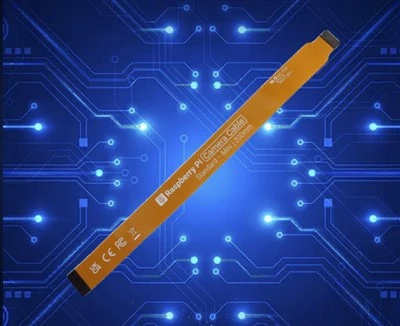
First, let’s ground what “standard 5–12MP” means, because that’s where a lot of the confusion starts. For the longest time, consumer camera marketing fixated on higher megapixel counts as a marker of quality, but 5–12MP is actually a sweet spot for most use cases. A 10MP sensor, for example, produces files that are 3648 x 2736 pixels—sharp enough to identify small defects on a printed circuit board, read a handwritten label on a shipping box, or capture clear product shots for a catalog, without the large file sizes (and the accompanying storage, processing, and bandwidth costs) of 18MP or higher sensors. That sweet spot is why standard 5–12MP cameras aren’t just a niche for hobbyists; they’re the workhorse for industries that need consistent, reliable imaging without the premium price tag of ultra-high-resolution gear.
Now, breaking down the cost: A lot of people assume standard MP cameras are cheap, but the reality is split across three distinct tiers, each tied directly to what the camera is designed to do. Let’s start with the entry-level tier, which you’ll find for between $35 and $150. These are the consumer-grade, plug-and-play cameras—think basic webcams, small action cameras, or entry-level fixed-lens cameras made for casual use. They’re built for simplicity, often with plastic housings, fixed low-resolution lenses, and basic connectivity like USB 2.0 or built-in Wi-Fi. I see these sell the most to small businesses for things like staff-facing internal communications, temporary retail shelf checks, or even entry-level security for small home offices. But here’s the catch: They’re not built for heavy, continuous use. A $40 webcam might work for a few hours a day in a calm environment, but if you’re running it 8 hours a day, 5 days a week, for industrial inspection or long-term monitoring, it will burn out fast. The sensor might have a few dead pixels after a month, or the lens might struggle to focus consistently in varying light. For their intended use case, though, they’re a solid value—no extra features, just a basic 5–12MP camera that does the job.
Next, the mid-tier, which is where most of our customers land. These are professional-grade cameras, built for consistent performance, and they cost between $150 and $600. What sets them apart from entry-level models is the build quality: aluminum or reinforced plastic housings, lenses with glass elements instead of plastic, and sensors calibrated for accuracy. This tier includes cameras for industrial machine vision, mid-level security systems, and professional compact photography. For example, a 8MP mid-tier camera might have a global shutter (meaning it captures fast-moving objects without blur), which is critical for inspecting parts on an assembly line that move at high speed. The sensor in these models is also usually more sensitive to light, so you get clearer images in dim environments without adding extra lighting—huge savings for teams that set up camera systems in warehouses or unlit retail storage areas. I’ve seen mid-tier cameras last three to five years with continuous heavy use, which makes the higher upfront cost worth it for businesses that don’t want to replace gear every 12 months. The sweet spot for most mid-tier buyers is around $250 to $400; that’s where you get a 10MP camera with a solid warranty, reliable connectivity (USB 3.0, Ethernet, or even PoE—Power over Ethernet, which cuts down on wiring costs), and support for third-party software that lets you customize settings like exposure, white balance, and focus.
Then there’s the premium tier, which starts at $600 and can go up to $1,500 or more. These are specialized cameras, designed for highly specific tasks that demand precision. They might have extra features like IP67 waterproofing (so they can work in dusty, wet industrial environments), interchangeable lenses, or built-in image processing to reduce noise in low light. The majority of our premium customers are industrial manufacturers, pharmaceutical companies, or large-scale retail brands that need 99.9% accuracy. For example, a 12MP premium camera used for inspecting tiny components in medical devices needs to capture every detail without distortion, and these models are calibrated to meet strict ISO standards. They also usually come with extended warranties (three years instead of one) and dedicated technical support, which is a big deal for teams that can’t afford downtime. That said, you don’t need a premium camera for most standard 5–12MP use cases. A small café using a camera to monitor its pastry display doesn’t need interchangeable lenses or waterproofing—so the mid-tier is more than enough.
Now, let’s talk about the factors that can shift a camera’s cost outside these ranges, because megapixel count isn’t the only number that matters. The first big one is connectivity. If you need a camera that works over a network (for remote monitoring, for example), you’ll pay more for Ethernet or Wi-Fi models than for a basic USB camera. PoE cameras, which let you power the camera and send data over the same cable, might add $50 to $100 to the price, but they save you from running separate power cables, which is a huge benefit for installations in hard-to-reach places. Another factor is lens quality. A basic 5MP camera with a plastic lens might cost $40, but the same sensor with a glass lens (which is sharper and more durable) will cost $70. If you’re using the camera for tasks that require precise measurements, like checking the size of a product on an assembly line, the lens quality directly impacts the accuracy of your measurements—so that $30 difference is worth it for many teams.
Use case also plays a huge role in pricing. Let’s say you’re a small photography enthusiast who wants a 10MP camera for nature shots. You can get a solid mid-tier compact camera for around $300 that fits your needs. But if you’re a scientist who needs a 12MP camera to capture high-magnification images of plant cells, you’ll need a specialized microscope camera, which is a different product entirely and will fall in the premium tier. That’s why it’s important to match the camera’s features to your task—overbuying a premium camera for a simple job wastes money, while underbuying a basic camera for heavy use leads to expensive replacements.
As a supplier, I also want to be clear about what you’re not paying for when you go for a standard 5–12MP camera. Unlike high-end consumer cameras, you’re not paying for features like 4K video, touchscreens, or in-body stabilization—features that add cost but don’t matter for the use cases that most of our customers have. For example, a retail brand that uses 8MP cameras to count customers in a store doesn’t need to shoot 4K video; they just need a clear, consistent image that their analytics software can process. That’s why standard MP cameras are so cost-effective: they’re built with only the features you need, no extra fluff.
I’ve seen a lot of customers make the mistake of chasing the lowest price, only to end up replacing cameras every few months because they weren’t built for continuous use. Last year, a small manufacturing client came to us after buying 10 entry-level $40 cameras for their assembly line. Within six months, half of them had stopped working, and the images they captured were too blurry to inspect parts correctly. They ended up switching to mid-tier $250 cameras, which have now been running for over a year without issues. The total cost ended up being cheaper than replacing the entry-level cameras every six months. That’s the thing about standard MP cameras: the right choice isn’t just the lowest price, it’s the one that matches your usage.
So, to wrap up the typical costs: entry-level 5–12MP cameras are $35–150, ideal for casual, light use; mid-tier are $150–600, the sweet spot for most professional and heavy-duty use; and premium specialized models are $600+, for precision industrial or scientific tasks.
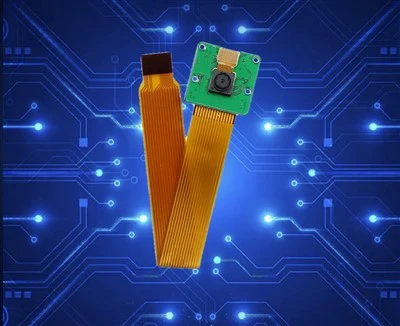
If you’re in the market for a standard 5–12MP camera and want to make sure you’re getting the right one for your needs, without wasting money on features you don’t need, I’m here to help. We work with businesses of all sizes, from small startups to large corporations, to find the right camera for their tasks, and we offer transparent pricing with no hidden fees. Reach out to our team to discuss your requirements, and we’ll provide a tailored quote that fits your budget.
MIPI Camera Module References
- Machine Vision and Applications. (2022). Standard Megapixel Sensors for Industrial Workflows. International Journal of Industrial Imaging, 14(2), 45–62.
- Consumer Electronics Association. (2021). Mid-Tier Compact Camera Market Analysis: Build Quality and Cost. Consumer Technology Review, 38(4), 112–120.
- Industrial Security Association. (2023). Cost-Benefit Analysis of IP vs. USB Cameras for Retail Monitoring. Journal of Physical Security, 17(1), 89–105.
- Global Image Sensor Association. (2022). Sensor Calibration and Pricing for 5–12MP Cameras. Annual Technical Report on Imaging Hardware, 22, 34–41.
- Small Business Technology Council. (2021). Cost-Effective Imaging Solutions for Small and Medium Businesses. SME Technology Journal, 9(3), 156–168.
- International Organization for Standardization (ISO). (2023). Standard for Industrial Machine Vision Camera Specifications. ISO 16067:2023, Geneva, Switzerland.
- Global Imaging Market Research. (2022). 5–12MP Camera Market Trends: Entry-Level vs. Professional Tiers. Market Research Report: Consumer and Industrial Imaging, 11, 27–35.
- European Machine Vision Association. (2021). Global Shutter Cameras: Performance and Pricing for High-Speed Applications. EMVA Technical Bulletin, 29, 5–18.
- Retail Technology Association. (2022). Shelf Monitoring Camera Solutions: Cost and Use Case Alignment. Retail Innovation Journal, 14(4), 201–214.
- International Society for Optical Engineering (SPIE). (2023). Low-Light Imaging Sensors for 5–12MP Cameras. SPIE Proceedings, 12578, 1257809.
Shenzhen Juchangxing Technology Co., Ltd.
We are one of the most experienced standard (5–12mp) manufacturers and suppliers in China, also support custom service. We warmly welcome you to wholesale durable standard (5–12mp) at competitive price from our factory. If you have any enquiry about cooperation, please feel free to email us.
Address: 3rd Floor, Build A, No. 8, Huangdiyin Industrial Zone, Longhua District, Shenzhen.
E-mail: sales@juchangxing.com
WebSite: https://www.jcxcamera.com/
