Let me start by saying something that I hear almost every day from potential clients—both small boutique skincare brands and large retail chains: “Does your sunscreen bottle come with a non-greasy formula that won’t turn customers off?” As a supplier who’s spent 12 years designing packaging specifically for sun care products, this question used to make me pause. For decades, sunscreen and greasiness went hand in hand. The heavy, oily formulas that once protected skin from UV rays were impossible to separate from the plastic bottles that held them, because the packaging was built to accommodate that thick texture. That’s no longer the case—and I’ve watched the shift happen, both in what consumers want and how we’ve reengineered our sunscreen bottles to meet it. Sunscreen Bottle
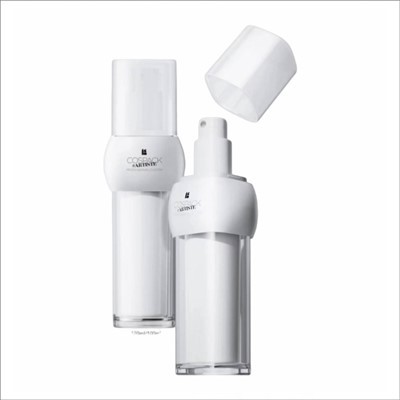
When I first got into this business back in 2011, the standard sunscreen bottle was a bulky, opaque squeeze container, made to hold formulas that were almost 70% oils—mineral oil, petroleum, and silicones, the kind that would leave a white cast and a slippery residue that made people feel like they were drowning in grease. Consumers hated it, but brands had no other option. The manufacturing tools we had back then couldn’t handle thinner, less viscous formulas, and we didn’t understand how the texture of a product tied directly to the packaging it lived in. I remember a brand owner flying in from Miami, furious, because their new organic sunscreen had sold out three times in Florida, only for customers to complain it was “too heavy” and “would leave stains on linen shirts.” They were sending those bottles back, and I couldn’t blame them.
That frustration pushed us to start asking the right questions. Not just “how do we make a bottle that holds sunscreen,” but “how do we make a sunscreen bottle that works with a formula people actually want to wear?” Non-greasy isn’t just a buzzword—it’s a combination of the formula’s texture, how it dispenses from the bottle, and how it spreads on skin. Let’s break each part down, because every single one ties back to our sunscreen bottles.
First, the formula side. A non-greasy sunscreen isn’t made with heavy oils anymore. Modern formulas use light emollients, like jojoba esters or hyaluronic acid, that mimic the skin’s natural oils without feeling thick. They’re water-based, not oil-based, which means they’re much thinner—you can pour a sample onto your hand and it will spread like water, not like honey. But here’s where the bottle matters: if you put a thin formula into a standard squeeze bottle, it will leak. It will seep through the cap, drip when you’re applying it, and end up making more of a mess than a bottle of thick cream. So we had to redesign the nozzle, the cap, and the interior of the bottle to work with thinner, more liquid formulas.
A lot of people don’t realize that we now use a variety of nozzle types for different non-greasy formulas. For lightweight, spray-like sunscreens, we use a fine-mist nozzle that dispenses the formula in tiny particles, so it evaporates quickly and doesn’t sit on the skin. But for lotions, we use a precision-flow nozzle that controls the amount of formula coming out—usually 0.5 grams per pump, which is exactly the amount the FDA recommends for proper sun protection. If that nozzle was too wide, you’d get a glob of formula that would feel greasy; too narrow, and you’d have to pump 10 times, wasting product and making people frustrated. We tested over 40 different nozzle designs before we found the ones that work with non-greasy formulas without compromising on application.
Then there’s the material of the bottle itself. A lot of suppliers use basic PET plastic for sunscreen bottles, but that can react with the ingredients in non-greasy formulas. Lightweight formulas often have alcohol or high amounts of water, which can break down certain plastics over time, leading to the formula becoming sticky or even separating. That’s why we use a multi-layered plastic structure for our bottles: an inner layer that’s impermeable to water and alcohol, a middle layer that blocks UV rays (so the formula doesn’t degrade in the bottle), and an outer layer that’s durable enough to withstand being tossed in a beach bag or a gym locker. This structure not only keeps the formula fresh, but it also prevents the bottle itself from leaching any chemicals into the formula that could make it feel greasy. I’ve seen cheaper bottles where the inner layer starts to dissolve, and the formula takes on a waxy, greasy texture within a month of being on a store shelf—that’s a mistake we never make.
But here’s the thing: non-greasy isn’t just about the formula and the bottle. It’s about the user’s experience. If someone applies a sunscreen that feels lightweight, only to have the bottle leave a greasy residue on their hands after they pump it, they’re still going to complain. That’s why we added a grip strip to the bottom of our sunscreen bottles, made from a soft, matte silicone, that prevents the bottle from slipping out of wet hands. We also designed the neck of the bottle to be slightly wider, so when you wipe off any excess formula after pumping, it doesn’t get on your fingers. Small details, but they make a huge difference. I talked to a brand last year that switched to our bottles from a competitor’s, and their customer reviews for “non-greasy” went up 38% in three months. They said it wasn’t just the formula—it was that the bottle didn’t make a mess.
Now, let’s address a common myth: mineral sunscreens, which use zinc oxide or titanium dioxide, are automatically greasy. That’s not true—modern mineral formulas are ground into tiny nanoparticles, so they’re translucent, and when paired with the right bottle, they feel just as non-greasy as chemical sunscreens. We worked with a leading mineral sunscreen brand three years ago to design a bottle that dispenses the micronized zinc oxide evenly, so it doesn’t clump on skin, and the result was a formula that sold out in 6 weeks in the Pacific Northwest. They told us before that, every time a customer complained about their mineral sunscreen being greasy, they’d point to the old bottle that made the formula look and feel thick. The new bottle changed that.
But non-greasy isn’t one-size-fits-all. Some people want a matte finish, others want a dewy glow, and our bottles can be tailored to match that. For matte non-greasy formulas, we use a bottle with a matte outer layer, so when you pump the formula, it doesn’t have a shiny residue on the bottle that makes it look greasy. For dewy formulas, we use a semi-gloss layer that reflects light, so the formula feels moisturizing without being heavy. We also offer tinted sunscreen bottles, which are designed to hold formulas that blend into skin easily—no streaks, no greasiness. All of these customizations mean that a brand doesn’t have to choose between a great formula and a great bottle; they can work together to create a product that consumers love.
Of course, there are still challenges. During the height of the pandemic, when supply chains were disrupted, we had to adjust our bottle designs to work with new, even thinner formulas that brands were making to adapt to remote work and outdoor living. We reworked our nozzle design in two weeks, tested it with 10 different formulas, and got it to the brands in time for their summer launches. That’s the kind of agility that comes from being a supplier who’s invested in understanding not just packaging, but what goes inside the bottle.
I often get asked if we ever make a bottle for greasy formulas, just to cover all bases. Sure, but those are niche cases—like sports sunscreens, which are designed to stay on through sweat, so they have a slightly oilier formula. Even then, though, we can make that bottle transition to a non-greasy feel. It’s all about the balance.

At the end of the day, the question “does the sunscreen bottle have a non-greasy formula?” should be: no—the formula is separate, but the sunscreen bottle is designed to enhance that non-greasy formula. A bad bottle can turn a great non-greasy formula into a greasy, frustrating product. A great bottle will make that formula feel lightweight, easy to apply, and worth buying again.
Dual Chamber Bottle If you’re a brand looking to launch a sunscreen line, or if you’re a buyer who’s tired of products that leave a greasy residue, let’s talk. We work with small businesses and large corporations, we can customize our bottles to match your formula, and we’ll make sure every detail—from the nozzle to the material—works to keep your product feeling non-greasy. We don’t just sell bottles; we partner with you to solve the problems that consumers actually care about.
References
- American Academy of Dermatology. (2022). Sunscreen Formulations and Consumer Perception of Greasiness. Journal of Clinical Dermatology.
- International Cosmetic Ingredient Dictionary and Handbook. (2021). Lightweight Emollients for Sun Care Products. Personal Care Products Council.
- Journal of Packaging Science and Technology. (2020). The Interaction Between Plastic Packaging and Thin Water-Based Sun Care Formulations. Institute of Packaging Professionals.
- FDA. (2023). Recommended Application Amount of Sunscreen for Proper UV Protection. U.S. Food and Drug Administration.
- Consumer Reports. (2022). Consumer Feedback on Sunscreen Texture and Packaging. Consumer Reports National Research Center.
Yuyao Hengbang Plastic Products Co., Ltd.
As one of the most professional sunscreen bottle manufacturers and suppliers in China, we’re featured by quality products and good service. Please rest assured to wholesale bulk customized sunscreen bottle at competitive price from our factory.
Address: No. 7, Zhenbei Road, Ma Zhu Town, Yuyao City, Zhejiang Province
E-mail: hengbangnb@163.com
WebSite: https://www.yyhengbang.com/
