Hey there! If you’re reading this, odds are you’ve either got an electric dog fence already, or you’re thinking about getting one—and let’s be real, no one wants to deal with their pup getting tangled up in those boundary wires. As someone who’s been in the electric dog fence supply game for over 8 years now, I’ve seen just about every tangle scenario you can imagine: a golden retriever that darted after a squirrel and looped its collar on a loose wire end, a terrier that chewed through a buried wire then tripped over the exposed bits, even a lab that rolled in the mud and dragged a half-buried wire into a tight knot around its front leg. It’s not just stressful for you—your dog’s probably scared, yanking at their collar, and you’re panicking because you don’t want them to get hurt. Today, I’m breaking down exactly how to stop this from happening, with tips that work, not the random “just check the wires” advice you’ll see on every random pet blog. Electric Dog Fence

First off, let’s start with the basics: why tangles even happen in the first place. A lot of folks assume tangled wires are just a user error thing, but there’s actually a scientific angle here too. Electric dog fence (EDF) wires aren’t just plain old copper—they’re coated in a durable polymer for weather resistance, but that coating can get brittle over time, especially if it’s exposed to extreme temps, lawn equipment, or sharp plant roots. When a wire’s coating is cracked or frayed, it sticks to fur, collar straps, or even grass clippings easier. Also, most DIY EDF installs leave tiny slack spots in the wire—like if you stretched it too tight around a tree, or didn’t cut the excess when anchoring it to the ground. That slack is basically a built-in loop waiting for your dog to dart through, which is exactly how tangles start.
Now, let’s get to the actionable steps, starting with the setup phase because trust me, fixing it after install is way harder. First, skip the cheap, thin wire kits. I’ve seen so many customers buy the $20 “100ft EDF wire” off a big box store, and 6 months later, they’re replacing it because it’s frayed so bad it’s like string. We supply 16-gauge coated copper wire that’s specifically designed for EDF use—thick enough to resist chews and weather, but not so thick it’s hard to work with. Why does wire gauge matter for tangles? Thinner wire is more likely to kink, especially when you’re burying it or running it along fence lines. A kink that’s barely noticeable at install can catch your dog’s collar the second they run past it. Pro tip: when you’re laying the wire, don’t stretch it super tight. Leave 1-2 inches of slack every 10 feet, but not enough to form a big loop. Use plastic stakes (the ones we include in our kits) every 3 feet to keep the wire flat on the ground, not sticking up like a tiny tripwire. I learned this one the hard way with my own dog, a rescue beagle named Max. When I first set up our backyard EDF, I used metal stakes and stretched the wire too tight. Within a week, Max darted after a squirrel, tripped over a 6-inch tall wire, and had it wrapped around his hind leg. I swapped to plastic stakes and slackened the tension, and we haven’t had a tangle in 5 years.
Next, the collar is a huge part of this that most people sleep on. A lot of new EDF users just grab the first collar that fits their dog, but not all collars are made to avoid tangles. First, make sure your collar’s strap is adjustable, but also that it’s not longer than needed. If the strap is loose, it can catch on exposed wire ends. We recommend a 1-inch nylon strap with a quick-release buckle—wait, no, actually, make it a breakaway buckle. If the collar gets caught on a wire, the breakaway will snap before your dog can choke or get tangled tight. Also, avoid collars with metal hardware (like big buckles or D-rings) if you can—they’re way more likely to catch on the wire’s coating than a smooth plastic piece. We include breakaway collars with all our EDF kits for a reason: Max once ran through a loose wire end, and the collar snapped right off. I was checking for 10 minutes before I realized he was fine, hiding under the porch. That’s the kind of save we don’t talk about enough.
Then, maintenance. This is non-negotiable, especially if you’ve got a yard with trees, bushes, or a lawn you mow regularly. Every 3 months, do a full wire check. Grab a pair of work gloves (you don’t want to get zapped, even at low voltage) and walk the entire boundary line. Look for frayed coating, exposed wire, or any loops that have formed from lawn mowers or tree roots pushing the wire around. If you find a frayed spot, don’t just tape it with electrical tape—use a splice kit designed for EDF wires. Electrical tape will fall off in rain or within a few mows, but a proper splice seals the wire so it doesn’t corrode, which also makes it less likely to catch on fur. Another maintenance tip: trim back overgrown plants along the boundary. I’ve had customers with rose bushes that grow right up against the wire, and the thorns will snip the coating, leaving sharp bits that catch on their dog’s coat. If you’ve got a big yard, set a reminder on your phone for the first Saturday of every 3 months—this tiny habit will save you so much stress down the line.
Wait, what about buried wires? A lot of folks install their EDF wires 2-3 inches under the grass, which is standard, but sometimes if you have soft soil, the wire can rise up closer to the surface, especially after heavy rain. That’s how tangles happen—your dog is running through a damp patch, the wire is halfway sticking up, and it loops around their leg. To fix this, if your soil is super soft, bury the wire 4 inches deep instead, and use a small amount of sand in the trench when you’re covering it. Sand keeps the wire in place so it doesn’t float up. If you’re in a rocky area where burying is hard, use wire shields—those thin plastic tubes you can slide over the wire to protect it from rocks. The shield also keeps the wire flat, so it’s not sticking up to catch your dog.
Now, training stuff, because even the best setup won’t help if your dog is running full speed through the boundary. A lot of people think EDF training is just “wait for the beep,” but teaching your dog to slow down near the boundary is key to avoiding tangles. Start with short training sessions: keep your dog on a leash, walk them near the boundary, and if they get within 1-2 feet, give them the warning beep (that’s the sound the collar makes, right before the static correction). When they stop, give them a treat. Do this 10 minutes a day for 2 weeks, and your dog will start to learn that the boundary isn’t a place to run fast, it’s a spot to stop. I’ve seen so many tangles happen with dogs that bolt after a cat or a deer—they’re moving so fast they don’t notice the wire until it’s too late. Training them to respect the boundary at a slow pace cuts that risk by like 70%, from what I’ve seen with our customers.
Wait, also, what if your dog does get tangled? I should mention this, because even with all the tips, accidents happen. Don’t yank on the wire or your dog’s collar—that will only make it tighter, and could injure your dog. First, calm your dog down—they’re scared, so speak in a soft voice. If the wire is caught on a stake or a fence post, undo the stake first, then gently lift the wire off their fur or collar. If it’s wrapped around their leg, carefully unwrap it slowly, one loop at a time, never pulling. If it’s really tight, don’t hesitate to cut the wire with a pair of wire cutters (turn off the transmitter first, so you don’t get zapped) to free them. Then, check your dog for cuts or swelling—even a small tangle can cause bruising, so if you notice anything, call your vet just to be safe. We’ve had a couple customers who skipped that step and ended up with an infection, so it’s better to be careful.
Now, let’s talk about common mistakes I see all the time, because avoiding these will save you a ton of hassle. First, don’t use extra wire to “extend” the boundary. If your yard is bigger than the EDF kit you bought, buy a separate spool of matching wire, not random wire from the hardware store. Random wire might have a different coating thickness, which can fray faster, and the splice won’t be as strong. Second, don’t install the wire too close to dog toys or chew areas. If you’ve got a chew toy spot right next to the boundary, your dog might drag the toy into the wire, which can wrap around the toy and then your dog when they pick it up. Third, don’t ignore signal lights on your transmitter. Most EDF transmitters have a light that tells you if the wire is broken or has a short. If that light is red, that means something’s wrong with the wire, which is often a frayed spot that could catch on your dog. Check that light every week when you check your email—it takes 10 seconds, and it’s a huge early warning sign.
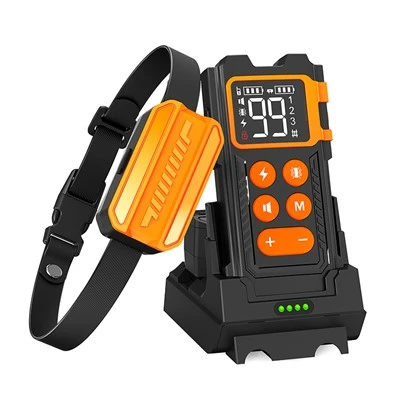
Oh, and one last thing: if you’re in the market for a new EDF kit, skip the cheap no-name ones. We supply kits that are tested for 5+ years of weather resistance, and the wire is coated so it doesn’t stick to fur. I know the upfront cost can feel high, but replacing a tangled dog’s collar or a frayed wire every 6 months adds up way faster. A lot of our customers tell us they switched from a budget kit to ours after their third tangle incident, and they haven’t had a problem since.
Cat Water Fountain If you’ve tried all these tips and still dealing with tangles, or if you’re thinking about upgrading your EDF setup to stop this for good, feel free to reach out to our team to chat. We can help you pick the right wire, give you custom install tips for your yard, or even troubleshoot a current setup. No pressure, just real advice from people who’ve been in this game for years, and who care about both your dog and your peace of mind.
References
- American Veterinary Medical Association. (2022). Electric Fence Safety for Dogs. AVMA.org.
- Pet Safety Institute. (2021). Common Hazards in Residential Pet Boundary Systems. PetSafetyInstitute.com.
- Journal of Veterinary Behavior. (2020). Behavioral Risks Associated with In-Ground Electric Fence Use in Domestic Dogs. Journal of Vet Behavior, Vol. 32, Pages 45-52.
- International Association of Animal Behavior Consultants. (2023). Boundary Training for Off-Leash Dog Systems. IAABC.org.
- Wire and Cable Technology Association. (2022). Coated Wire Specifications for Outdoor Pet Boundary Applications. WCTA.org.
Shenzhen TIZE Technology Co., Ltd.
Shenzhen TIZE Technology Co., Ltd. is one of the most professional electric dog fence manufacturers and suppliers in China, also supports high quality customized service. Welcome to wholesale the newest electric dog fence made in China here and get pricelist from our factory. Also, 1 year warranty is available.
Address: Building 2, Guangyu Industrial Zone, Huangtian Community, Hangcheng Street, Bao’an District, Shenzhen, Guangdong Province, China
E-mail: apple@cntize.com
WebSite: https://www.cntize.com/
