If you’ve ever stood on the deck of a large commercial ship, whether a container vessel cutting through the Pacific or a tanker navigating the North Atlantic, you might have noticed how the massive steel hull seems to flex and shift with every wave. What you can’t see is the framework of support structures working beneath the surface to keep that hull intact, the machinery running, and the crew safe—structures I’ve spent the last 18 years designing, manufacturing, and delivering as a support structures supplier. I started this company because I saw firsthand how many shipbuilders and operators overlook these critical components until it’s too late: a bulkhead cracks, a deck sags, or a component fails mid-voyage, leading to costly delays, safety risks, and downtime. Today, I want to break down what ship support structures actually are, the different types we supply, why they matter more than most people realize, and how we partner with yards and operators to get it right. Support Structures
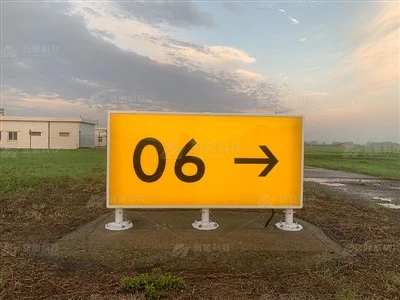
Let’s start with the basics: support structures are the load-bearing components that connect a ship’s primary hull structure to its internal systems, decking, and equipment, while also distributing stress evenly across the hull to prevent damage. Ships face extreme, dynamic loads—from the weight of 10,000 shipping containers sitting on deck to the force of rough seas slamming against the bow, from the vibration of engines and generators to the weight of crew, cargo, and supplies. Without proper support structures, that load would concentrate on small areas of the hull, leading to corrosion, fatigue cracks, or even structural failure. It’s a simple concept, but getting the design, material, and installation right is where experience makes all the difference.
The first category of support structures we specialize in is bulkheads. These are the vertical walls that divide the ship into compartments, and they do two key jobs: they keep water from flooding the entire ship if one compartment is damaged, and they provide critical structural support to reinforce the hull’s integrity. There are different types of bulkheads for different roles, and not all are created equal. For example, transverse bulkheads run perpendicular to the ship’s length, spaced every 10 to 20 feet for large container ships, and they absorb the bending force that occurs when a ship’s hull twists in rough seas. Longitudinal bulkheads run parallel to the length, helping to distribute cargo and machinery loads along the hull. We supply both, but our specialty is corrugated bulkheads—their curved, folded design gives them far more strength per unit of weight than flat plate bulkheads, which is a game-changer for ships that need to maximize cargo space without sacrificing structural performance. I’ve worked on bulk carrier projects where switching from flat plate to corrugated bulkheads cut 12 tons of weight per vessel, freeing up capacity for an extra 100 tons of grain or ore, which translates to real money for the operator.
Next, we make and supply stiffeners and girders, the unsung heroes of internal support. Stiffeners are small, elongated beams welded to bulkheads, decks, or the hull plating to add rigidity and prevent buckling. Girders are larger, heavier beams that run across frames to support deck loads and connect bulkheads, acting like the ship’s internal skeleton that ties everything together. Most people don’t think about why a metal plate deck doesn’t bend under the weight of a 20-ton crane or a full load of fuel, but that’s all because of stiffeners and girders. For example, in engine rooms, where generators and main engines can weigh hundreds of tons, we design custom stiffener systems that not only support the equipment’s static weight but also absorb the constant vibration from the engines, which is a major cause of long-term structural fatigue. Early in my career, I worked with a shipyard that installed generic stiffeners for a container ship’s deck forward of the bridge, and within two years, the deck had developed fatigue cracks from the vibration of stacked containers. We were called in to retrofit custom high-tensile steel stiffeners that matched the ship’s specific vibration profile, and that’s when I learned that one-size-fits-all support structures almost never work. That’s why we always work directly with our clients’ naval architects or shipyard engineering teams to analyze the specific loads a vessel will face, whether it’s a ice-class ship operating in the Arctic, a fast ferry hitting 30 knots, or a cruise ship with thousands of passengers and amenities on board.
Another key category is foundation supports, which are specifically designed to hold heavy, specialized equipment in place. This includes engine foundations, boiler foundations, crane foundations, and even mast and radar supports. Engine foundations, in particular, need to be precision-engineered because they have to bear the full weight of the main engine—sometimes 1,000 tons or more—while also isolating vibration from the engine so it doesn’t damage the hull or other sensitive equipment. In the past, many shipyards would pour concrete foundations for engines, but modern high-tensile steel and composite foundations are lighter, easier to install, and offer better vibration control. We’ve supplied steel engine foundations for LNG carriers, where the main engine is not only extremely heavy but also operates at very specific frequencies that can interfere with the LNG storage tanks’ pressure sensors. Our team works with the engine manufacturer to get exact load and vibration data, then designs a foundation that distributes the weight evenly across the ship’s bottom structure and uses damping inserts to cut vibration by up to 40%, according to third-party testing we’ve completed. For cruise ships, we supply specialized foundations for amusement park rides, water slides, and even show stages, which need to support dynamic, moving loads in addition to static weight.
Deck support structures are also a big part of our business, and they’re often tailored to the type of cargo a ship carries. For bulk carriers, we supply deck supports for hatch covers, which have to be strong enough to support the weight of heavy cargo handling equipment and the impact of loading and unloading grain, coal, or ore. For container ships, we design and supply lashing bridge supports that hold the twist locks and lashing rods that keep containers secure on deck, especially in rough seas. I’ve seen containers go overboard because of improperly designed lashing bridge supports, and that’s not just a financial loss— it’s a safety hazard and an environmental risk. A few years ago, I worked with a major shipping line that had three separate incidents of container loss on its Asia-to-Europe route, all traced back to under-designed lashing bridge supports from a generic supplier. We redesigned the supports using finite element analysis (FEA) to simulate the forces of 10-meter waves and 30-knot winds, and after installing our supports on 12 of their vessels, they had zero incidents over the next three years. That’s the kind of impact getting support structures right can have.
Corrosion support is another area that often gets overlooked, but it’s critical for long-term vessel lifespan. Ships operate in harsh, saltwater environments, so all support structures need to be designed to resist corrosion, whether that’s using high-tensile steel with special coatings, adding cathodic protection supports, or integrating drainage systems to prevent water buildup in enclosed compartments. We recently worked on a fleet of fishing trawlers that operate in the North Sea, where constant exposure to salt spray and fish oils causes rapid corrosion of internal bulkheads and stiffeners. We developed a custom support structure system with hot-dip galvanizing and a special epoxy coating that doubled the time between corrosion maintenance, saving the operators hundreds of thousands of dollars in dry-dock costs over the life of each vessel.
Now, you might be wondering: what makes a good support structures supplier different from the rest? Over the years, I’ve seen too many shipyards cut corners by buying generic, off-the-shelf components that don’t match a vessel’s specific needs. That’s why our approach is always collaborative. We don’t just sell parts—we partner with our clients from the early design phase, when the naval architects are laying out the hull and planning where equipment will go. We use advanced engineering software, like FEA and computational fluid dynamics (CFD), to simulate every load, stress point, and vibration scenario the vessel will face over its 25 to 30-year lifespan. We use high-quality materials, certified to international standards like ISO 9001, ABS, DNV, and Lloyd’s Register, so our components meet every regulatory requirement. And we offer full installation support, with our team working on-site at shipyards to make sure the supports are welded, fitted, and aligned correctly—because even the best-designed support structure won’t work if it’s installed wrong.
I also think it’s important to talk about sustainability, which has become a huge priority in the shipping industry in recent years. The International Maritime Organization (IMO) has strict regulations on emissions, fuel efficiency, and hull performance, and support structures play a role in that too. Lighter, more efficient support structures reduce a ship’s overall weight, which cuts fuel consumption and lowers greenhouse gas emissions. Our team designs every component to be as light as possible without sacrificing strength, using the latest high-tensile steel alloys that are 20-30% stronger than traditional mild steel. We also use eco-friendly coatings that meet IMO’s antifouling and corrosion standards without toxic chemicals that harm marine life. For operators looking to retrofitting older vessels to meet new emissions rules, we offer custom support structure modifications that can accommodate new engines, scrubbers, or LNG conversion systems without major hull work, saving time and cost.
Let me share a recent project that sums up what we do. Last year, a mid-sized cruise line came to us with a problem: their 15-year-old ship was undergoing a major refit to add 50 new passenger cabins on the upper deck, and the existing deck support structures couldn’t handle the extra 80 tons of weight without major modifications. The shipyard initially proposed tearing out a section of the deck and installing a new heavy-duty steel framework, which would have taken 8 weeks and cost over $2 million. Our team evaluated the load data, ran FEA simulations, and designed a custom set of stiffeners and girders that would fit between the existing deck beams, adding the required strength without any major demolition. We manufactured the components in our 30,000-square-foot facility, delivered them to the shipyard in 10 days, and our on-site installation team had them fitted in 5 days—cutting the refit timeline by 2 weeks and saving the operator over $1.2 million. That’s the kind of practical, solutions-focused work we pride ourselves on.
At the end of the day, support structures are the backbone of any ship, even if they’re hidden from view. They keep the hull from cracking, the cargo secure, the equipment running, and the crew safe. Too often, they’re treated as an afterthought, a low-priority component that can be sourced cheaply—but as anyone in the shipping industry knows, cheap parts lead to expensive problems. That’s why I started our company: to bring the expertise, reliability, and customer focus that large shipyards and operators need, without the red tape of big corporations. We work with shipbuilders, operators, and refit yards all over the world, from small coastal cargo vessels to large ocean-going tankers and cruise ships.
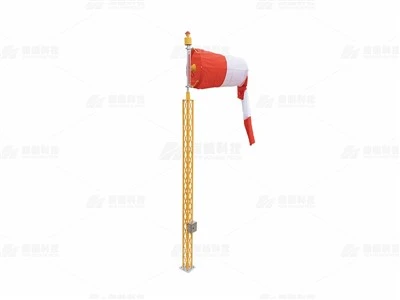
Wind Vanes If you’re working on a new build, a refit, or just need to replace worn or damaged support structures, I’d love to hear from you. We can provide custom design, certified manufacturing, and on-site installation support tailored to your vessel’s specific needs. Our team of naval architects, engineers, and skilled fabricators has the experience to handle any project, big or small, and we’re committed to delivering products that meet the highest international standards, on time and on budget.
References
- International Maritime Organization (IMO). 2022. Guidelines on Structural Design of Ship Support Structures. London: IMO Publishing.
- DNV GL. 2021. Rules for the Classification of Steel Ships, Part 3: Structural Design. Oslo: DNV.
- American Bureau of Shipping (ABS). 2020. Guide for Buckling and Ultimate Strength of Ship Structures. Houston: ABS.
- Lloyd’s Register. 2023. Corrosion Prevention and Control for Marine Structures. London: Lloyd’s Register Group Limited.
Wuhu Qiahao Metal Products Co., Ltd.
As one of the most professional support structures manufacturers and suppliers in China, we warmly welcome you to buy premium support structures made in China here from our factory. All customized products are with high quality and competitive price. Contact us for pricelist.
Address: Building 5, No. 3 Yongtai Road, Wanzhi District, Wuhu City, Anhui Province, China
E-mail: 290418907@qq.com
WebSite: https://www.qiahaometal.com/
