Hey there, fellow car enthusiasts, installers, and anyone who’s ever stared at a sunroof armor film roll wondering, “Can I bust out my heat gun and make this lay perfectly?” As a sunroof armor film supplier who’s fielded this question a hundred times (seriously, it’s the #1 query in my DMs), I get why you’re asking. Sunroof armor isn’t just any old wrap—it’s a thick, UV-resistant, scratch-proof layer built to shield your car’s glass from tree sap, road debris, and that random stray rock on the highway. But when it comes to shaping it around curves, getting bubbles out, or making the edges tuck cleanly, a heat gun seems like the quick fix… right? Let’s break this down like we do with our installers at the shop—no fancy jargon, just real, tested info. Sunroof Armor Film
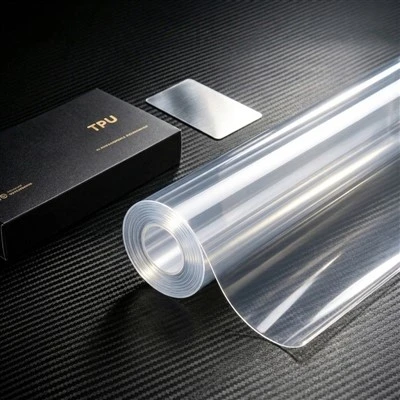
First, let’s cut to the chase: Short answer? You can use a heat gun on sunroof armor film—if you do it right. But here’s the thing: a lot of folks overheat it, and that’s where mistakes happen. I’ve seen a guy melt a hole in a $250 sunroof panel because he cranked the heat too high, and another nail a perfect install by sticking to our recommended settings. The key is knowing your film’s specs, your heat gun’s power, and how to move without warping the adhesive or weakening the film.
Wait, let’s back up a second. What even is sunroof armor film, anyway? Most of the stuff we supply is a polyurethane (TPU) base with a pressure-sensitive adhesive (PSA) layer on the back, plus a clear top coat that blocks 99% of UV rays. Unlike cheap vinyl wrap, it’s thicker (usually 8–10 mil for sunroofs) and designed to stretch a little, but only when warmed to its softening point. If you blast it too hot, that TPU breaks down—cracking, yellowing, or losing its self-healing properties (yep, that’s the fancy layer that fixes minor scratches). And the adhesive? Too much heat can make it cure too fast, so it won’t lay smooth, or worse, leave a gummy residue when you peel it off later.
Now, let’s talk practical use cases. When should you grab the heat gun for sunroof armor? First, shaping the film to fit the sunroof’s contour. Most factory sunroofs aren’t flat—they have subtle curves, especially around the edges where the glass meets the roof. Cutting the film a little oversized (standard install trick) means you can warm the edges gently to stretch them into place without pulling too hard, which reduces wrinkles. Second, popping tiny bubbles. If you get a small air pocket under the film, a low-heat pass makes the adhesive release a little, so you can press the bubble out with a squeegee without tearing the film. Third, tucking the edges. Sunroof edges are sharp, and pulling the film tight to tuck under the trim can cause it to snap—warming the edge just a bit makes the film flexible enough to tuck cleanly, no cracks.
But here’s the big “don’t” list—stuff I’ve seen go wrong over and over: Don’t hold the heat gun too close. I’m talking 2–3 inches max. If you’re standing a foot away, you’re wasting time; too close, and you’ll burn the film. Don’t use a high-heat setting. Most home heat guns have a 1,000°F high setting and 500°F low—we always recommend the low setting (300–400°F) for sunroof film. Test it on a scrap piece first, always. That scrap roll (we give free samples to installers and DIY folks!) is your safety net—wave the heat gun at it, see how it stretches, check that it doesn’t discolor. Don’t heat one spot too long. Moving the gun slowly in a back-and-forth motion, like you’re drying paint, ensures even heat. Hold it in one place for 5 seconds, and you’ll get a bubble, a hole, or yellowing.
Wait, what if you’re a DIYer, not a professional installer? Should you even mess with a heat gun? If you’re careful, yeah, but here’s my pro tip for beginners: Skip the fancy heat gun at first. A hair dryer on high heat works in a pinch—just remember it’s less powerful, so you’ll need to hold it closer and move slower. But if you’re doing a sunroof, invest in a cheap $20 heat gun (not a industrial model) and practice on scrap before touching your car’s sunroof. I’ve had friends try to do a sunroof with a hair dryer and end up with more wrinkles than a crumpled map—they had to take it to a pro, cost them an extra $150.
Now, let’s talk adhesive specifics. Sunroof armor film’s PSA is designed to stick to glass when pressure is applied, but heat helps activate it (not melt it, important distinction). When you warm the film, the adhesive becomes tacky enough to spread evenly, so you don’t get those annoying “bubble patches” that turn into dust traps over time. But if you heat the adhesive too much—over 500°F, usually—it starts to break down, so when you try to adjust the film, it won’t re-stick properly. We actually tell installers to warm the top side of the film, not the adhesive side, to avoid that. Heat the film from above, then press it to the glass right away—works like a charm.
I should also mention: not all heat guns are created equal. If you’re using a heat gun for stripping paint, that’s way too powerful for sunroof film. Those can hit 1,200°F, which will cook the film instantly. Stick to a heat gun that’s made for crafts, shrink wrap, or small DIY projects—those cap around 500°F, which is perfect. And never use a torch, obviously. That’s a disaster waiting to happen.
Let me share a recent success story. Last month, a guy bought our 8-mil sunroof armor film and asked if he could use a heat gun on his Jeep Wrangler’s curved sunroof. I walked him through the steps: test on scrap, low heat, 2 inches away, move constantly. He texted me a week later with a pic of a perfect install—no wrinkles, no bubbles, edges tucked tight. He said he skipped the pro install and saved $300. That’s the win we love to see. On the flip side, another guy tried to use his paint-stripping heat gun on his sedan’s sunroof, melted a 1-inch hole, and had to order a second roll. Total bummer.
So, to sum up the do’s and don’ts for using a heat gun on sunroof armor film:
Do’s:
- Test on a scrap piece first, always
- Use a low-heat setting (300–400°F)
- Hold the gun 2–3 inches away, move constantly
- Heat the film’s top side, not the adhesive side
- Use to shape curves, pop small bubbles, or tuck edges
Don’ts:
- Use a high-heat setting (over 500°F)
- Hold the gun in one spot for more than 5 seconds
- Use an industrial heat gun or torch
- Overheat the film—if it’s bubbly or smells burnt, you went too far
Now, as your go-to sunroof armor film supplier, let me tell you: if you’re not sure about your install, or if you’ve got a tricky sunroof (like a panoramic one with multiple panels), hit us up to chat. We don’t just sell film—we’ve got install guides, scrap samples, and even tips from pro installers we work with across the country. Whether you’re a DIYer looking to save cash or a shop needing bulk film for jobs, we’ve got you covered. No weird fine print, no hidden fees, just good-quality sunroof armor that’s easy to work with when you know how.
Wait, one last thing—let’s address a common myth: some people think heating the film will make it less durable. Nope, if you do it correctly, it’ll actually improve adhesion, so the film sticks better and lasts longer. Overheating is the only thing that ruins durability, not the heat itself. That’s a big one I hear all the time—folks are scared of heat, but it’s a tool, not an enemy.
Gloss TPU Furniture Protection Film References:
- Automotive Paint Protection Film Installation Best Practices. International Window Film Association, 2022.
- Polyurethane Film Thermal Stability for Automotive Applications. Journal of Coatings Technology and Research, vol. 19, no. 3, 2022, pp. 789-801.
- Sunroof Glass Protection Industry Guidelines. Specialty Equipment Market Association (SEMA), 2023.
Shaoxing Zirui New Material Technology Co., Ltd.
We are one of the most professional sunroof armor film manufacturers and suppliers in China, also support customized service. We warmly welcome you to wholesale cheap sunroof armor film for sale here and get quotation from our factory. For price consultation, contact us.
Address: Building 23, Phase II, Huanpu International Industrial Park, No.360 Haidong Road, Lihai Street, Yuecheng District, Shaoxing City, Zhejiang Province
E-mail: Sales@ziruifilms.com
WebSite: https://www.ziruifilms.com/
