If you’ve ever stood next to a construction site where deep foundation pits fill with groundwater overnight, or watched a residential well run dry and needed to pull water from hundreds of feet below ground, chances are a submersible pump was the workhorse getting the job done. As someone who’s spent a decade supplying these units to farms, construction crews, municipalities, and small businesses across the region, I’ve watched a lot of people confuse submersible pumps with their above-ground counterparts—and I’ve seen firsthand how a wrong choice can turn a simple water move into a costly headache. Let’s break down what makes a submersible pump unique, how it works, and why it’s often the best pick for jobs where other pumps simply can’t keep up. Submersible Pump
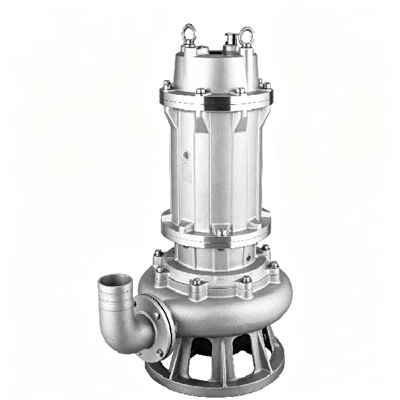
First, let’s cut through the basic definition. A submersible pump is a fully sealed, electric-powered pump designed to operate while completely submerged in the fluid it’s moving—usually water, though specialized models handle sewage, slurry, or even light oil. Unlike above-ground pumps, which sit outside the fluid source and use suction to pull liquid up a pipe, submersible pumps push fluid from inside the source all the way to the surface, which eliminates the biggest limitation of suction-based systems: maximum lift. Suction pumps can only pull water about 25 feet up before air bubbles and pressure loss break the suction, but a submersible pump’s impeller is under hydrostatic pressure the entire time, so it can push water hundreds of feet vertically and thousands of feet horizontally, no suction needed. That design isn’t just convenient—it’s the reason it’s non-negotiable for deep wells, flooded basements, or dewatering worksites where the water level is far below ground level.
A common question I get from new customers is: how does it actually work? The core parts are simpler than you might think, even for industrial-grade units. At the bottom is the wet end: a durable, corrosion-resistant impeller (usually made of cast iron, stainless steel, or plastic depending on the fluid) that spins when power is supplied. Most submersible pumps run on alternating current, with a waterproof cable that feeds power down to the motor, which sits right above the wet end, also sealed in a water-tight housing to prevent moisture from reaching the electrical components. The entire assembly is mounted on a discharge pipe that runs up to the surface, where you’ll find a control panel, pressure switch, or float switch that turns the pump on and off automatically based on fluid levels. For residential well pumps, the float switch will kick in when water drops below a set level, keeping the well from running dry; for a construction dewatering pump, the float turns the pump on when the pit fills with water and off when it’s drained, so it doesn’t run dry and burn out.
One of the biggest advantages that sells me on submersible pumps is their efficiency. Because the pump is submerged right at the source, there’s no friction loss in a long suction line above ground, and the motor is cooled directly by the fluid it’s moving—no need for a separate cooling system, which saves energy and cuts down on wear. I had a farmer reach out to me last year who’d been using an above-ground jet pump for his 400-foot well; he was paying 30% more on his electric bill each month, and the pump burned out every 18 months because he had to prime it manually when the suction line lost pressure. When we swapped in a submersible model, his energy use dropped by 22%, and that pump’s still running strong three years later. That’s not a fluke—it’s the design at work. The only caveat here is that efficiency drops if the pump is sized wrong; too small, and it can’t move enough water; too big, and it cycles on and off too frequently, which shortens its lifespan. That’s why I always make sure to ask customers for their flow rate needs and total head requirements before recommending a unit—one size never fits all, even when it comes to submersible pumps.
Of course, submersible pumps aren’t one-size-fits-all. There are several types built for specific jobs, and getting the right one for your application is critical to avoiding breakdowns. Let’s go over the most common categories I supply, to give you a sense of what works where.
First, residential well submersible pumps. These are the ones that power most private homes, small farms, and irrigation systems. They’re usually 4-inch or 6-inch diameter, designed to fit inside standard well casings, and they’re built to pull clean, potable water. Most are rated for 10 to 20 years if maintained properly, with flow rates ranging from 5 gallons per minute (GPM) for small homes up to 50 GPM for larger irrigation setups. The key here is corrosion resistance—since they’re submerged in groundwater, many models have stainless steel impellers and a hermetically sealed motor to keep out sediment and mineral deposits that can clog parts.
Next, sump and sewage submersible pumps. These are the workhorses for basements, bathroom effluent systems, and municipal wastewater removal. Unlike well pumps, they’re built to handle solid waste—up to 2 inches in diameter for residential sewage pumps—so they have a chopper or grinder impeller that breaks up rags, hair, and other debris that would clog a standard well pump. They’re usually mounted in a sump basin in the basement, and the float switch is calibrated to turn on when water reaches about 18 inches deep. I’ve seen too many homeowners try to use a regular submersible well pump in their sump, and it ends up clogged with toilet paper or shower hair within a month—wasting time and money on a replacement.
Then there are dewatering submersible pumps, used for construction sites, mine pits, and flooded commercial properties. These are heavy-duty units, built to handle not just water but also sand, silt, and small rocks. They have larger intake ports and thicker, wear-resistant impellers, and they’re often rated for continuous operation—something residential pumps aren’t designed for. A construction crew working on a downtown office building last summer needed a pump that could run 24/7 to dewater a 60-foot deep foundation pit, and we supplied a 2-inch dewatering pump that’s still running after four months of nonstop use. The only downside here: dewatering pumps aren’t made for potable water, so you’d never use one for a home well—it’s built for dirty, abrasive fluid.
There are also specialized submersible pumps, like those for oil and gas transfer, or for marine applications that handle seawater (which requires even more corrosion resistance, usually bronze or titanium parts). But 90% of the jobs I see fall into the three categories above, so that’s where most people should start.
Now, let’s talk about the common mistakes I see customers make when choosing a submersible pump, because those mistakes are what lead to early failures and avoidable costs. First, undersizing the pump. A lot of people look at the well depth and pick a pump with the highest head rating they can find, but they forget to calculate the total dynamic head (TDH)—that’s the vertical distance from the pump to the top of the water output, plus the friction loss in the pipes, plus any elevation changes. If you have a 400-foot well and you’re running a sprinkler system that’s 100 feet above the pump, your TDH isn’t 400 feet—it’s 500 feet, plus a little extra for pipe friction. Pick a pump rated for 400 feet, and it will never deliver enough water, and it will run too hard, burning out the motor in a couple of years. I always tell customers to add 10% to their calculated TDH to be safe—better to have a little extra head than not enough.
Second, not considering the fluid type. I can’t tell you how many times someone has asked for a “submersible pump” and didn’t specify if it’s for clean well water, sewage, or dirty dewatering water. Using a sewage pump in a well will introduce solids into your drinking water, which is a health risk, and using a well pump in sewage will clog it immediately. Another big one: using a submersible pump for a temporary job and leaving it submerged after the job is done. Even heavy-duty dewatering pumps can develop rust or mineral buildup if they’re left sitting in water for months without being run, so if you’re using it once for a construction project, it’s best to drain and store it properly, or pick a model made for long-term submersion.
Third, skipping regular maintenance. Submersible pumps are low-maintenance compared to above-ground pumps, but they still need a check-up every year, especially for wells. For residential well pumps, I recommend having a technician pull the pump up every 3 to 5 years to inspect the impeller, check for sediment buildup, and test the motor. A lot of people run their pump until it fails, which usually means a hole in the motor housing or a broken impeller—costing thousands in repair or replacement, plus the cost of pulling the pump out of the well (which can be $500 to $1,000 alone). A quick annual check can catch a tiny problem before it becomes a total failure.
Now, if you’re thinking about buying a submersible pump, what should you look for in a supplier? As someone who’s been in this business, I’ll tell you that not all suppliers are equal. A good supplier won’t just box up a pump and ship it—they’ll ask you questions about your application: how deep is the well, what’s the flow rate you need, what fluid are you pumping, how long do you need it to run? They should also offer warranties—most residential pumps have a 1 to 2 year warranty, and heavy-duty pumps have a 5 year or longer warranty. I’ve had customers come to me after buying a pump from a big box store online, only to find out the warranty is void if they don’t have a professional install it, or the model isn’t sized for their well. I always offer not just the pump, but also basic sizing guidance, installation tips, and maintenance advice, because my job isn’t just to sell a product—it’s to make sure it works for you, for years.

If you’re ready to invest in a submersible pump, whether it’s for a residential well, a sump pump for your basement, dewatering a worksite, or any other application, I’m here to help. We carry a full range of models for every need, from small residential units to heavy-duty industrial dewatering pumps, and I can walk you through exactly what’s right for your job, no pressure, no confusing jargon. Whether you’re a homeowner trying to replace a old well pump, a contractor needing reliable dewatering equipment, or a farmer looking to upgrade your irrigation system, don’t hesitate to reach out to start a conversation.
Plastic Solar Surface Pump References
- Pump Industry Association. (2022). Submersible Pump Design and Application Standards.
- National Water Well Association. (2021). Residential Well Pump Selection and Maintenance Guidelines.
- American Society of Mechanical Engineers. (2020). Submersible Pump Efficiency and Performance Testing Protocols.
- Sewage Pump Manufacturers Association. (2023). Sewage and Effluent Submersible Pump Specifications.
Longbiao Pump Industry Co., Ltd.
We are one of the most professional submersible pump manufacturers and suppliers in China, featured by quality products and low price. Please rest assured to buy discount submersible pump for sale here from our factory. We also accept customized orders.
Address: Unit 101, Building 11, Pan’ao Entrepreneurship Park, Daxi Town, Wenling City, Taizhou City, Zhejiang Province, P.R. China
E-mail: 1653746797@qq.com
WebSite: https://www.cnlongbiao.com/
