Hey everyone, I’m Jake, and over the past 8 years, I’ve spent most days geeking out about ball valves—mostly metal-seated ones, since that’s what our company specializes in. I’ve lost count of how many times someone’s hit me up, confused about whether they need a soft-seated or metal-seated one for their job. It’s such a common question, and honestly, it makes total sense—picking the wrong valve here can turn a simple project into a total mess, fast. Today I’m breaking this down like I would with a new engineer on my team, no fancy jargon, just real stuff that actually matters when you’re buying valves. Metal Seated Ball Valve
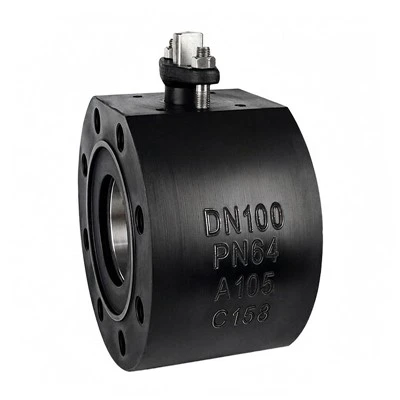
First, let’s get the basics straight, so we’re all on the same page. Both metal-seated and soft-seated ball valves use that classic hollow ball with a hole through the middle, right? When you twist the handle, the hole lines up with the pipe to let flow through, and twist it 90 degrees the other way, the ball spins to block it off. That part is the same for both. The big difference? The seat—the ring that seals around the ball to stop leaks when the valve’s closed. Soft-seated uses a squishy, polymer seat, things like PTFE (Teflon for the regular folks), PE, or maybe a harder nylon, but still plastic or rubber. Metal-seated? No squishy stuff here. The seats are solid metal—usually stainless steel, sometimes chrome alloy, even Inconel for super extreme stuff.
Let’s start with what soft-seated does well, because those guys have their place, no doubt. I don’t sleep on soft-seated valves—they’re super common in residential plumbing, low-pressure HVAC, even a lot of general process work where nothing’s too crazy. The soft seat is like a really tight rubber O-ring, right? It squishes a little against the ball, so you get a dead-tight seal almost immediately, even at low pressure. That’s why you see them everywhere: if you’re fixing a kitchen sink or setting up a small commercial water line, a soft-seated ball valve is cheap, easy to find, and works great. It handles mild temps, too—most of the regular ones go up to like 180-200°F, which is perfect for most water and light chemical jobs.
But here’s the catch with soft-seated: that squishy polymer? It’s delicate. Drag it across something sharp, or expose it to the wrong chemical, or crank the pressure too high, and it gets chewed up. I’ve seen soft seats get completely eaten through by a weak acid that would’ve done nothing to metal, or get scraped by a tiny bit of pipe scale that snuck into the line. Even just opening and closing the valve a bunch of times, over years, that soft stuff wears down. By year 5 or 6, you might start getting leaks around the stem or the seat, just because the polymer’s lost its give. Also, if you’re dealing with super high pressure, like 1,000 PSI or more, that squishy seat can’t hold on tight enough, right? It might deform or get pushed out of place. Same with extreme temperatures—crank it up to 400°F, and PTFE starts breaking down, getting soft, not sealing anymore. Drop it way below freezing, and it gets brittle, cracks. Soft-seated is built for the middle, the mild stuff.
Now, over here at our shop, metal-seated ball valves are our bread and butter, and for good reason. They’re made for the rough jobs, the ones where soft-seated would die in a week. Let’s talk about what makes them different. First, no squishy parts, so they’re way more durable. Metal seats can handle way higher temps—we supply ones that go up to 800°F, even 1,200°F for extreme high-heat applications, like power plants or refineries. Pressure? No problem, we’ve got metal-seated valves rated for 15,000 PSI, way higher than soft-seated can touch. They’re also way more resistant to chemicals—acidic stuff, caustic solutions, even crude oil that’s got weird additives? Metal doesn’t break down like polymer does, so you don’t have to worry about the seat eating through.
Wait, but what about that seal? I know, people hear “metal seats” and go, “Oh, they don’t seal tight!” That’s a common myth, and it’s total BS these days. The old metal valves back in the day were rough, so they’d leak, but modern metal-seated valves are precision-machined. The seat has a slight angled or serrated face, and when you close the valve, the ball presses against it, creating a metal-to-metal interference fit that’s super tight. And here’s the best part: that seal actually gets better with pressure. If you’re running at 5,000 PSI, the pressure pushes the ball harder into the seat, so the seal is tighter than it would be at 100 PSI. That’s the opposite of soft-seated, which struggles at high pressure because the seat can deform.
Metal-seated also handle way more cycles—like, opening and closing the valve over and over. If you’re in a facility where you’re adjusting flow 100 times a day, a soft-seated valve might last a couple years, but a metal-seated one? We’ve got customers who’ve had ours running 10 years straight, no seat replacement needed. They’re also way more resistant to damage from particulates in the line—like if there’s sand, rust, or pipe scale floating around. Soft seats would get scored by that stuff, but metal is hard, so the particulates just slide past without marking the seat or the ball. I’ve had a customer tell me they had a soft-seated valve fail after a month when pipe scale got in, swapped it for a metal-seated one we sold them, and it’s still going strong 3 years later.
But wait, metal-seated isn’t perfect, and I don’t want to oversell it, because that’ll just lead to a bad call later. The main downside is the initial cost. Metal-seated valves are way more expensive upfront than soft-seated. That makes sense, right? They’re made with higher-grade metals, precision machining, better engineering. For a small residential job or a low-pressure general process line, paying 5x more for a metal-seated valve is just throwing money away—you’d never use its capabilities. Also, at low pressure, metal-seated doesn’t seal quite as tight as soft-seated. Like, if you’re running at 50 PSI, the soft seat’s squish gives you an almost zero-leak seal immediately, while the metal one might need a little pressure to bed in and get tight. That’s not a problem for most industrial jobs where pressure’s higher, but it’s something to keep in mind.
Another thing: noise and vibration. Metal is hard, so if you’re dealing with high-flow, high-pressure lines, the metal seat can rattle a little if it’s not seated perfectly, whereas soft-seated dampens that noise. It’s not a big issue for function, but if you’re in an office next to the pipe, you might notice it. And if you’re looking for a valve that’s easy to install and cheap to replace if it breaks, metal-seated isn’t for you—soft-seated is a no-brainer for that.
So when do you pick which one? Let’s make a quick cheat sheet, real simple. Go soft-seated if: you’re working with temps under 200°F, pressure under 1,000 PSI, the fluid is mild (water, oil, basic chemicals), and you need a cheap, easy-to-replace valve. That’s like 80% of the small jobs out there, and soft-seated works perfectly there.
Go metal-seated if: temps are over 200°F, pressure is over 1,000 PSI, the fluid is harsh (acid, caustic, crude, steam), there are particulates in the line, you need the valve to last 10+ years of heavy use, or leak-tightness at high pressure is non-negotiable. That’s the industrial stuff, the power plants, refineries, mining, oil and gas, high-heat HVAC, even some aerospace jobs.
I’ve seen so many guys get this wrong, though. Last year, a small manufacturing company hit me up, saying their soft-seated valves were failing every 6 months in their process line with mild acid. They swapped for metal-seated ones we sell, and they haven’t had a leak since. Another customer was going to buy cheap soft-seated for a steam line, and I talked them into metal-seated—they later told me that the soft-seated would’ve melted after a month, which would’ve shut down their whole plant and cost them way more than the valve. That’s the whole point of this, right? Don’t cut corners on the valve that’s a critical part of your system.
A lot of people also mix up “fire-safe” ratings, which is a big one for process industries. Both can get fire-safe certified, but metal-seated is the go-to for that because if there’s a fire, the polymer seat in a soft-seated valve will melt, leaving a gap for leaks. Metal-seated keeps sealing even when it’s hot, because metal doesn’t melt easily. If you’re in an industry where fire risk is high—oil, gas, chemical processing—metal-seated is basically non-negotiable for fire safety.
Wait, another common question: can you repair both? Soft-seated is super easy to repair—you can just replace the seat ring in 5 minutes, no fancy tools. Metal-seated is way harder. Most of the time, you don’t repair it—you replace the whole valve, because the seats and ball are precision-fitted, and trying to resurface them would mess up the tolerance. That’s a tradeoff: soft-seated is cheap to fix, metal-seated is built to last so you barely need to fix it.
Let me give you a real example from our work. Last quarter, we supplied 20 metal-seated ball valves to a natural gas processing plant out in Texas. They were using soft-seated before, and every 8 months they’d have to shut down a line to replace seats, costing them an estimated $15,000 each time in downtime. Swapping for our metal-seated ones, they haven’t had a single seat replacement in 12 months, and the seal is still as tight as day one. That’s the kind of ROI we talk about—sure, the valve cost $2,000 each instead of $200, but they saved way more in downtime and replacement parts.
I don’t want to bash soft-seated, either. If you’re a plumber fixing a house, soft-seated is perfect. It’s cheap, it works, you can grab it at the local hardware store in 10 minutes if you mess up. But when you move into industrial, high-stakes environments, metal-seated is the way to go. The key is matching the valve to your specific application, not just picking the cheapest one.
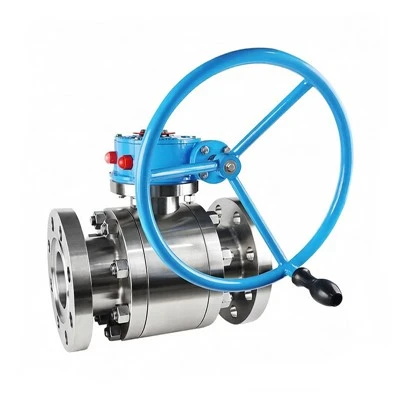
If you’re still on the fence, or you’re not sure which one fits your job best, hit us up. We’ve helped everyone from small plumbers to big oil companies pick the right valve, and we’re not gonna sell you something you don’t need. We just want to make sure your line runs smoothly, no leaks, no surprises. Don’t waste money on a valve that’ll fail in a year, or overpay for something you’ll never use—we can walk through your needs, give you the right options, and make it easy.
Forged Steel Valves References
Valve Technical Association. (2021). Ball Valve Design and Application Standards. VTA Press.
ANSIS/ISA. (2019). Fluid Control Valves – General Considerations for Control Valve Applications. ISA.
Crane Co. (2020). Flow of Fluids Through Valves, Fittings, and Pipe (4th ed.). Crane Technical Paper No. 410.
Zhejiang Chenxiang Valve Co., Ltd.
We are one of the most professional metal seated ball valve manufacturers and suppliers in China, also support customized service. We warmly welcome you to wholesale high quality metal seated ball valve in stock here from our factory. If you have any enquiry about quotation, please feel free to email us.
Address: No. 126 Zhongxing Road, Wenzhou Industrial Park, Longwan District, Wenzhou City, Zhejiang Province
E-mail: vip@chenxiangvalve.com
WebSite: https://www.cxindustrialvalve.com/
