If you’ve ever walked through a commercial building under construction, or toured a residential retrofit job focused on energy efficiency, chances are you’ve seen rock wool insulation being installed. As a rock wool insulation supplier with over 15 years in this space, one question comes up more often than any other from contractors, builders, and even DIYers: Can rock wool be sprayed? I get it—sprayable insulation is everywhere right now. It’s fast, it seals every gap, and it’s perfect for hard-to-reach spaces like attic knee walls, around pipe penetrations, or between irregular framing. For years, rock wool has been sold as batts, boards, and loose-fill, so the idea of a sprayable version feels like a game-changer. Let’s break this down, not just as a supplier pushing our products, but as someone who’s tested every angle of this question on job sites and in our in-house lab. Rock Wool Insulation
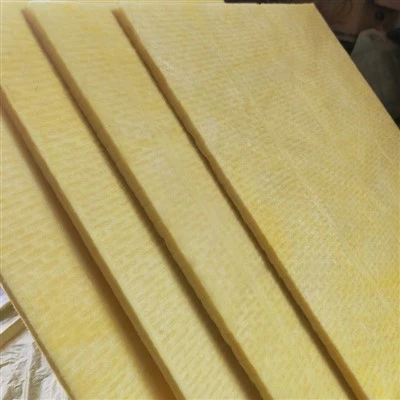
First, let’s get one critical fact straight: “spraying” rock wool isn’t the same as spraying foam insulation. When most people say “sprayed insulation,” they’re referring to spray polyurethane foam (SPF)—two chemicals that mix on-site, expand, and harden into a rigid, air-sealing layer, or open-cell foam that’s softer and more sound-absorbent. Rock wool, on the other hand, is a mineral fiber product made from melting basalt rock and slag at temperatures over 2,700°F, then spinning it into fine, wool-like fibers and binding them with a small amount of resin. That composition is why rock wool is fire-resistant, doesn’t hold mold or mildew, and outperforms fiberglass in thermal and sound control—but it’s also why it’s not as simple as pumping it through a hose like SPF.
For a long time, sprayable rock wool (sometimes called spray-applied mineral wool) was misunderstood, or even dismissed as something that doesn’t exist. The truth is, it does exist, but it’s not the same as the spray foam you’ve seen. There are two distinct categories of sprayable rock wool products, and each has a specific use case that makes sense for certain projects. The first type is spray-applied loose-fill rock wool, which is actually a processed variation of the loose-fill rock wool that’s been around for decades. The second is a newer, binder-enhanced sprayable rock wool that’s designed to adhere to vertical or overhead surfaces without sagging—something traditional batts can’t do easily.
Let’s start with the loose-fill spray version because that’s the one most people have encountered, even if they didn’t realize it. Traditional loose-fill rock wool is made of tiny, lightweight mineral fibers that are blown into attics or wall cavities using a pneumatic machine—you know, the kind of machine contractors pull up on a truck, with a hose that feeds out fibers from a hopper. Wait a second—isn’t that “spraying”? Technically, when you propel a loose material through a hose with air, it’s a form of spraying. The difference between this and SPF is that there’s no chemical reaction, just air moving the fibers into place. This type of sprayable rock wool is popular for attic retrofits because it’s fast, it fills every nook in an open attic floor, and it doesn’t settle over time—unlike some cellulose insulation, which can compact 10-15% after a few years, reducing its R-value. I’ve seen this used on a 20,000 sq ft retail retrofit in Chicago a few years back, where the crew was able to insulate the entire attic in two days, compared to four days if they’d laid batts. No cutting, no fitting around wiring or ductwork, just blow and go. That’s a huge win for project timelines, which is the number one complaint contractors have about batts.
But the bigger question, the one I get from contractors working on walls and ceilings, is: Can you spray rock wool onto vertical or overhead surfaces, not just blow it into a cavity? That’s where the second type of sprayable rock wool comes in—acrylic-bonded spray mineral wool. This is a newer product, developed over the last 10 years specifically to address the gap between rigid rock wool boards and spray foam. Instead of just loose fibers, this version has a water-based acrylic binder mixed in at the manufacturing plant, so when you pump it through a specialized spray rig, it adheres to surfaces as it lands and cures into a lightweight, flexible, semi-rigid layer. No sagging, no dripping, no need for temporary bracing while it sets. This is the product that’s changed how we approach sound control in multi-unit buildings, for example. Last year, we worked with a contractor on a 12-story apartment complex in Austin, Texas, where they sprayed the interior of each unit’s wall cavities to reduce sound transfer between neighbors. The client’s goal was to meet California’s strict STC (Sound Transmission Class) rating of 55, and the spray rock wool delivered STC 58, which was even better than they expected.
Now, let’s talk about the misconceptions that surround sprayable rock wool, because there’s a lot of misinformation out there from people who haven’t used the product. The first myth is that it’s not as effective as batts or boards. Let’s get the numbers straight: Rock wool has an R-value of approximately 3.0 to 3.3 per inch, depending on the density. Spray applied rock wool has the same R-value per inch as batts, because it’s the same mineral fibers—there’s no magic happening to change its thermal performance. The only difference is how it’s applied. The acrylic binder adds a tiny amount to the overall thickness, so you might need 1/8 of an inch more to get the same R-value as a batt, but that’s negligible. Another myth is that it’s more expensive than spray foam. Right now, spray foam ranges from $0.70 to $1.50 per board foot, while sprayable rock wool is between $0.40 and $0.80 per board foot. That’s a 30-40% cost savings, and it doesn’t require the same level of training to apply—many of our regular rock wool installers can be trained to spray the bonded version in a day or two, versus the weeks of certification needed for SPF.
There are, of course, limitations to spraying rock wool, and as a supplier, I’m not going to gloss over that because trust is everything in this industry. The biggest limitation is that sprayable rock wool isn’t ideal for all applications. If you’re looking for a high-expansion seal that fills every tiny gap around windows, doors, or electrical boxes, spray foam is still the better choice—sprayed rock wool has a very low expansion rate, usually less than 5%, so it won’t fill gaps larger than 1/2 inch on its own. That means you still need to use caulk or foam to seal penetrations, just like you would with batts. Another limitation is that it’s not as durable as rigid rock wool boards in high-traffic areas or areas where it might be exposed to impact. For example, if you’re insulating a basement wall that’s prone to being bumped by storage boxes, rigid boards are a better bet than the sprayed version. Also, in very cold or humid climates, the acrylic binder in the sprayed product can take a bit longer to cure—usually 2 to 4 hours, versus 1 hour for SPF—so you have to plan your work accordingly, and you can’t get the next coat or proceed with finishing until it’s fully cured.
Now, let’s talk about how we’ve refined our sprayable rock wool products over the years, because that’s why our customers come back to us. When we first started offering bonded spray rock wool around 2018, there were a lot of growing pains. Early versions tended to clump when sprayed, leaving uneven layers, or didn’t adhere well to metal studs, which are common in commercial construction. We worked closely with a team of contractors and building scientists to adjust the binder formula—we reduced the acrylic content by 10% to make it lighter, but added a small amount of a surface-tension additive that helps it stick to metal, wood, and even concrete. We also developed a specialized spray rig calibration guide so that every job gets a consistent layer thickness, no matter the size. That’s the thing about working with a rock wool supplier who’s invested in innovation—we don’t just sell you a product; we provide the support to make it work for your project.
I’ve also seen sprayable rock wool shine in applications where other insulation falls short. Take fire resistance, for example. Rock wool is non-combustible, and the sprayed version maintains that rating— it won’t melt, drip, or release toxic fumes when exposed to high heat. That’s a huge advantage over SPF, which can release harmful chemicals when burned. We had a project in a school in Florida a few years back, where the local fire marshal required all insulation in mechanical rooms to be non-combustible. The sprayed rock wool not only met the fire code, but it also reduced noise from the HVAC system in the adjacent classrooms by 12 decibels, which is the difference between a normal conversation and a whisper. No other insulation could deliver both fire resistance and sound control like that.
Another common question is: Can I install sprayable rock wool myself? If you’re a DIYer tackling a small attic retrofit, the loose-fill spray version is manageable if you rent a pneumatic blower from a local supply store, follow the manufacturer’s instructions, and wear the proper PPE (rock wool fibers can irritate skin and lungs, so a respirator, goggles, and coveralls are non-negotiable). But for the bonded, wall-applied version? I strongly recommend hiring a certified installer who’s familiar with spray mineral wool. The spray rig is specialized, getting the right thickness takes practice, and applying it to overhead surfaces without making a mess (it can get everywhere if you’re not careful) is a skill that comes from experience. We offer on-site training for contractors, and even a 24/7 technical support line for anyone who has questions mid-job, because we know that a successful installation leads to a happy customer who comes back.

As a rock wool insulation supplier, our goal isn’t to convince you that sprayable rock wool is the only insulation you’ll ever need. It’s to give you the facts so you can make the best choice for your project. Sprayable rock wool isn’t a replacement for every type of insulation on the market, but it’s a versatile, cost-effective option that fills a gap between traditional batts, rigid boards, and spray foam. It’s fire-resistant, sound-absorbent, energy-efficient, and easier to install in tight or hard-to-reach spaces than most other mineral wool products.
If you’re working on a project right now—whether it’s a residential retrofit, a commercial build, or a multi-unit apartment complex—and you want to learn more about how sprayable rock wool can work for you, we’re here to help. We can provide sample products, technical data sheets, and connect you with local certified installers in your area. We don’t do pushy sales pitches; we do honest conversations about what will work, what won’t, and how to get the best results without exceeding your budget. So if you have questions about sprayable rock wool, or any of our other mineral wool products, reach out to us to start a conversation about your next project.
Glass Wool Insulation References:
- American Society of Heating, Refrigerating and Air-Conditioning Engineers (ASHRAE). (2021). Thermal Insulation Materials and Methods. Atlanta, GA: ASHRAE.
- National Fire Protection Association (NFPA). (2020). Fire Resistance Ratings of Building Materials. Quincy, MA: NFPA.
- Rock Wool Institute. (2022). Spray-Applied Mineral Wool Insulation: Performance and Applications. Chicago, IL: Rock Wool Institute.
- Sound Transmission Class Association (STCA). (2021). Field Test Data for Sound-Absorptive Insulation Products. New York, NY: STCA.
Langfang Yafeng Energy-Saving Technology Co., Ltd.
As one of the most professional rock wool insulation manufacturers and suppliers in China, we’re featured by quality products and good price. Please rest assured to buy bulk premium rock wool insulation for sale here from our factory. Welcome to view our website for more information.
Address: Langfang Xinyafeng, Liugezhuang Town, Dacheng County, Langfang City, Hebei Province
E-mail: yafengbaowen@gmail.com
WebSite: https://www.xyfinsulation.com/
