Hey everyone, it’s Jake from your go-to residential elevator supplier — and if you’ve ever spent 10 minutes Googling “how long do home elevators actually last?” only to get a bunch of generic, jargon-heavy stuff that leaves you more confused than when you started, this post is for you. I hear from customers all the time who’re torn between squeezing every last dollar out of an old elevator and stressing about replacing it way sooner than they planned. Today, I’m pulling back the curtain on real residential elevator lifespans, no sales fluff, no hidden fine print — just what we’ve actually seen after installing and servicing hundreds of units over the past decade. Residential Elevators
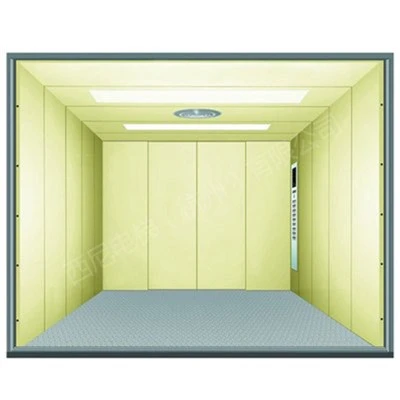
First off, let’s get one thing straight: this isn’t a one-size-fits-all answer. I’ve seen elevators that still run like new after 40 years, and I’ve seen units that crapped out at 12 years — and no, the 12-year one wasn’t a “bad unit” off the line. It all boils down to three big factors: how well you maintain it, what kind of environment it lives in, and how often you actually use it. Let’s break those down, because that’s where most people get it wrong.
Starting with maintenance — this is the #1 thing that makes or breaks an elevator’s lifespan, full stop. I know, I know, “maintenance” sounds like a chore, like changing your oil or unclogging a drain, but it’s way simpler than most people think, and it’s way cheaper than replacing a whole unit early. Here’s the deal: residential elevators don’t need a tune-up every 3 months like a car, but they do need a professional check-in once a year, minimum. What do those checks even entail? We’re talking inspecting the cables for fraying (don’t panic if you see a tiny loose strand — that’s normal, but we catch the ones that are actually dangerous), testing the safety brakes, lubricating the moving parts so they don’t grind together, and making sure the control panel isn’t acting weird.
I had a customer last year who put off maintenance for 8 years. When we finally went out to look at their elevator, the guide rails were so rusted in spots that they had a gap the size of a penny. The cables were also stretched out way past their recommended tolerance, which made the elevator lurch every time it moved. We ended up having to replace those parts, plus re-calibrate the whole system, for about 40% of the cost of a new unit. If they’d just spent $200 a year on regular checkups, that repair bill would’ve been $0. That’s the kind of math no one wants to do, but it’s real.
Now, what if you skip maintenance entirely? I’ve seen elevators last 15 years with zero service, but that’s the exception, not the rule. Most of those units die between 10 and 18 years. The weird thing? Some people think “it’s my home, I’ll just fix it when it breaks” — but elevator parts aren’t like a dishwasher part you can grab at Home Depot. A lot of the internal components are custom, so if a 20-year-old part breaks, you might not be able to find a replacement at all. That’s when you’re forced to replace the whole unit, not just a broken part.
Next up, environment. Where is your elevator installed? That makes a huge difference. If it’s in a climate-controlled home, finished wood cab, dry basement, insulated shaft? Those units tend to last way longer. But if you stick it in an unconditioned garage shaft, or a spot that gets super humid (like a basement with no sump pump), or even a place where there’s a lot of dust or construction nearby? That eats away at parts fast.
I had another customer a couple years back who installed their elevator in a cabin in the mountains. It’s dry and cold there in the winter, super dusty in the summer, and the shaft is open at the top a little to let air flow. They also used it every single day — they haul firewood up and down, bring groceries, even their dog rides in it sometimes. That unit lasted 16 years before we started having consistent major issues. Compare that to a suburban homeowner in a nice, dry neighborhood, who only uses their elevator for occasional trips between floors, installs it in a finished mudroom, and gets annual maintenance checks — that elevator’s still running strong at 32 years old, no major repairs needed.
Also, let’s talk about how often you use it. This sounds obvious, but more use = more wear and tear. If you live alone and only use the elevator a few times a week to haul laundry or grab a drink from the kitchen, that’s way different than a family of four with two kids and a dog, using it 10+ times a day every single day. Think of it like a car: a pickup truck that works construction every day will die way sooner than a sedan that only gets driven to work and back on weekends. Same logic applies here. I’ve seen under-used elevators hit 35+ years with no big issues, while heavily used units might start needing major work after 20 years.
Wait, but what about the type of elevator? Not all residential elevators are made the same, right? I always tell customers to skip the cheap, imported hydraulic units you see online for $10k. Those might seem like a steal, but most of them are made with lower-grade steel, cables that aren’t rated for residential use, and control panels that break way faster. The average lifespan for a good, quality traction elevator (which is the most common type we install) is 25 to 30 years with regular maintenance. Hydraulic ones, if they’re a good brand, are about 20 to 25 years, because the hydraulic fluid lines and cylinders tend to wear out faster over time. The cheap import ones? I’ve seen them die at 10 years, no joke. We had a customer who bought one of those “bargain” units for their vacation home, and when we went to repair it, the control board was made of plastic that melted a little from the heat of the basement. They ended up replacing it two years later, so they basically wasted $10k on a unit that lasted half as long as it should have.
Now, what are the signs that your elevator is getting near the end? You don’t want to wait until it gets stuck between floors (I’ve had that happen, and let me tell you, it’s not fun, especially if there’s an 80-year-old or a kid stuck in there) to call for repairs. Here are the red flags: first, it starts making weird, new noises that weren’t there before — grinding, squeaking, or clanking. If it’s just a small squeak, that’s easy to fix, but if it’s a loud grind that gets worse every week, that’s a sign the parts are wearing out. Second, it starts lurching when it moves, or the doors take forever to open/close, or they don’t align right with the floor. Third, you’re having to call a repair technician every 6 months for the same issue — that’s a cycle you don’t want to get stuck in, because each repair is adding up, and eventually it’s cheaper to replace.
I also get asked a lot: should I repair my old elevator or replace it? That’s a common question, and here’s my rule of thumb. If the repair is less than 30% of the cost of a new unit, and the elevator’s still running pretty consistently, go for the repair. If it’s more than 50% of a new unit, or you’ve had three or more major repairs in the last year, replace it. Also, keep in mind: new elevators are way safer than old ones, too. They have better safety brakes, emergency phone lines (so if you get stuck, you can call someone right away), and they’re energy efficient — some new models use less electricity than a refrigerator. That’s a big plus, especially if you’re thinking about staying in your home long-term.
Wait, let’s circle back to maintenance, because I can’t stress that enough. Even the best elevator will die early if you skip annual checks. We have a maintenance program where we send a tech out once a year, go through every part, and give you a detailed report of anything that needs fixing. It’s not expensive — like, $200 to $300 a year, depending on the unit — and it saves you thousands in major repairs down the line. I’ve had customers tell me they “can’t afford” the maintenance, but then they get a $5,000 repair bill a year later and come crawling back, asking if we can put them on the program. It’s worth every penny, I promise.
Now, let’s talk about some real, actual numbers we’ve tracked over the years. Out of the 400+ elevators we’ve installed and serviced, the average lifespan is 27 years. The top 10% are still running at 35+ years, all with annual maintenance, in climate-controlled homes, used lightly. The bottom 10% are all units with no maintenance, cheap import models, or heavily used in bad environments, dying at 12 to 18 years. That’s the real data, not the marketing stuff.
Another thing people don’t think about: regular part availability. If you have an old elevator, say from the 1980s, the parts might not be made anymore. A lot of those old units use custom control panels that a company might have stopped producing 20 years ago. So when that part breaks, you can’t just order it — you have to rebuild it, which is way more expensive than replacing it with a new, modern unit. That’s a big reason why replacing an old elevator at the 25-year mark is often smarter than patching it up.
Let’s wrap this up with some actionable tips, because you probably want to know what to do next. First, if you already have a residential elevator, schedule a maintenance check if you haven’t had one in a year. Just having a tech look it over could add 5+ years to its life. Second, if you’re thinking of buying a new elevator, skip the cheap imports. Invest in a quality brand, ask about their maintenance requirements, and factor that cost into your total budget. Third, don’t ignore those weird noises or lurches — a quick fix now is way cheaper than a full replacement later.
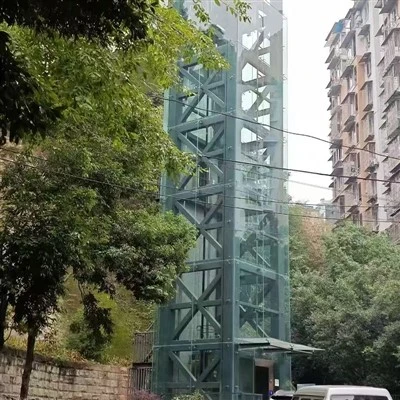
If you’re at the point where your elevator is getting old, or you’re ready to install a new one in your home, we’re here to help. We don’t do pushy sales pitches — we’ll give you honest advice on whether to repair or replace, help you find a unit that fits your home and budget, and handle all the installation and maintenance long after the job is done. Just reach out, and we can chat about your specific situation, no pressure, no hidden fees.
Residential Elevators REFERENCES
- Elevator Industry, Inc. Residential Elevator Lifespan and Maintenance Guidelines, 2022.
- National Association of Home Builders. Home Accessibility Feature Durability Report, 2021.
- American Society of Mechanical Engineers. Safety Standard for Residential Elevators (A17.1), 2020.
Ningbo Dongao Elevator Co., Ltd.
As one of the most experienced residential elevators manufacturers and suppliers in China, we also support customized service. We warmly welcome you to buy high quality residential elevators for sale here from our factory. For quotation, contact us now.
Address: No. 16 Xiapan Road, Ninghai County, Ningbo City, Zhejiang Province
E-mail: 13777289058@163.com
WebSite: https://www.daelevator.com/
