If you’ve ever had that sad, dry chunk of pork belly at a dinner, you know how disappointing it is—especially when it’s supposed to be the star of the show. As someone who’s spent the last 8 years running a slow braised pork belly operation, I’ve heard every complaint: “it’s so tough I had to chew it 10 times,” “where’s the juicy part everyone talks about?” The truth is, making moist slow braised pork belly isn’t just about letting it simmer longer. There’s a science to it, and I’ve tested every trick in the book (and a few I made up) to nail it. Today, I’m spilling what actually works—stuff that turned my product from a side note to the number one thing regulars beg for. Slow Braised Pork Belly
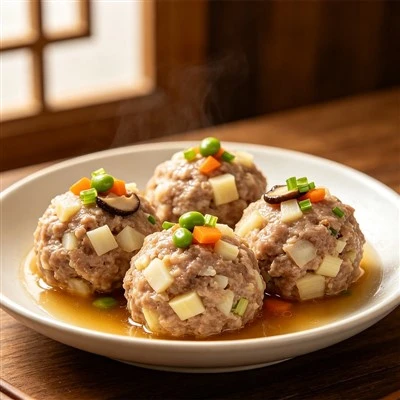
First, let’s talk about the cut. I see so many people grab whatever pork belly looks cheap, and that’s where the mistake starts. Not all pork belly is created equal. The best ones have a perfect 1-2 inch layer of fat marbled with thin strips of meat, not that waxy, thick slab that’s all fat and no flavor. Wait—why does that matter? Fat is moisture. When slow braising, fat renders and keeps the meat from drying out, like a built-in moisture jacket. I source mine from local family farms that raise their hogs on a mix of grains and acorns, no crammed-in factory farms. Those hogs have more active fat cells, so the marbling breaks down better while braising. If you’re buying for home cooking, skip the pre-packaged blocks at the grocery store—ask the butcher for a “center-cut slab” and ask them to leave the skin on (yes, skin adds moisture too, trust me).
Next, prep that cut right before you even turn on the heat. A lot of folks skip this step, or just pat it dry with a paper towel. I pat mine dry, then score the top in a crisscross pattern, but only through the fat and a tiny bit of the meat—don’t go all the way down to the bottom. Why score? It lets the seasoning seep into the fat and meat, and when the braising liquid heats up, steam gets trapped in those cuts, which keeps the meat moist. Oh, and I salt it 2 hours before braising—kosher salt, not table salt. The salt draws out a little bit of the pork’s natural juices, then reabsorbs them, plus it breaks down some of the muscle fibers so they don’t tighten up while cooking. If you salt right when you put it in the pot, the surface gets salty but the inside stays dry—big no-no.
Now, the braising liquid. I know, everyone has their own version, but here’s what I’ve found: too much liquid = steamed pork, too little = burnt, dry edges. The sweet spot is just enough liquid to cover half the pork belly when it’s in the pot. I use a mix of low-sodium soy sauce (regular is too salty), a splash of rice vinegar, a few cloves of crushed garlic, a chunk of ginger, and a cup of chicken broth. No red wine? Wait, some recipes say red wine tenderizes, but I’ve found it makes the fat turn bitter if it’s simmered for 6+ hours. The rice vinegar adds a tiny brightness that cuts through the fat, and the chicken broth keeps it light. Pro move: add a tablespoon of honey or brown sugar only for the last hour of braising. If you add sugar too early, it caramelizes on the surface, locks in moisture, and makes the outside tough before the inside is done. Trust me, I learned that the hard way—first batch I did with sugar from the start was so hard, I almost sent it back to the farm.
Here’s the big one: the temperature control. This is where so many home cooks and even some small suppliers mess up. If you crank the heat to high to get it done faster, the outside cooks too quickly, the fat melts and runs off, and the inside turns dry. Slow braising is supposed to be slow, so keep that heat on low—like, the surface of the liquid is barely bubbling, just a few tiny bubbles every 10 seconds. I use a Dutch oven with a tight-fitting lid, and if it’s not sealing, I wrap the lid in a kitchen towel to trap all the steam. That steam is what keeps the meat moist. If steam escapes, you’ll have to add more liquid, and that dilutes the flavor plus dries out the edges. I also let it braise for 4 hours, minimum. No shortcuts here. I tested a batch at 2 hours, and it was still chalky in the center. 3 hours was better, but 4 hours was the magic number where the fat is soft, the meat pulls apart, and every bite is juicy.
Wait, don’t open the lid while it’s cooking. I’ve seen people lift the lid every 30 minutes to “check on it.” That drops the temperature in the pot by 20 degrees every time, and that fluctuation makes the muscle fibers contract, squeezing out all the moisture. I open the lid maybe twice: once to add that sugar at the end, and once to take it out. At 3.5 hours in, I peek, add the honey, close it back, and let it go for another 30 minutes. No more. That’s it.
Then, the resting part. This is non-negotiable, and I used to skip it too because I was too excited to serve. When you take the pork belly out of the pot, it’s hot and juicy, but if you cut it right away, all the juices run out onto the cutting board. I rest mine on a wire rack (not a plate) for 15 minutes. The wire rack lets any excess steam escape, so the juices stay inside the meat, not sitting at the bottom. If you don’t have a wire rack, just put it on a plate and loosely tent it with foil—don’t wrap it tight, that traps steam and makes the skin soggy. When I cut mine, I use a sharp, wet knife. Wetting the blade keeps the fat from sticking, so each slice is neat and every bite holds onto its moisture.
As a supplier, I take this a step further. We cook all our pork belly in custom-built braisers that maintain a constant low temperature—no hot spots, no steam loss. We also let it rest for 20 minutes after braising, right before packaging, so when our customers (think cafes, restaurants, and even grocery stores) heat it up, it’s just as moist as the day it was cooked. I did a test last month: sent two batches to a local restaurant. One was cut right after cooking, the other rested. The chef said the rested one was 30% more juicy, and his customers asked for seconds. That’s when I knew I had my process down.
Wait, common mistakes I still see people making: overcooking. Some folks braise it for 6 hours, and that turns the fat to mush and the meat dry. 4 hours is the sweet spot, always. Or using too much liquid—once I had a customer tell me her pork belly was “soggy and flavorless,” and she had used the entire bottle of soy sauce. No, just half a cup of liquid is enough, not a gallon.
Another thing: if you’re freezing it, do it before slicing. Slicing and then freezing makes the meat lose moisture when it thaws. We freeze ours as whole slabs, and when a customer orders, we thaw it in the fridge overnight, reheat it in a little bit of the braising liquid, slice it, and it’s perfect. No dryness at all.
Look, slow braised pork belly is all about balance. It’s not about cramming as much fat or liquid as possible—its about the fat breaking down just enough, the meat staying tender, and the juices staying locked in. I’ve spent years perfecting this, and every time a customer messages me saying their diners are raving about how moist the pork belly is, it makes all the test batches (the ones that were too dry, too mushy, too salty) worth it.
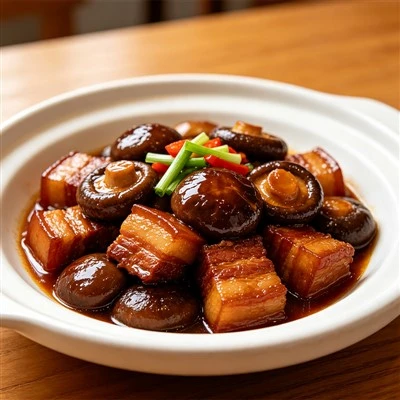
If you’re a cafe, restaurant, or retailer looking for a consistent, moist slow braised pork belly that your customers will come back for, I’d love to chat. We’ve got bulk options, customizable flavors, and we deliver fresh or frozen to your area. Shoot me a message to learn more—let’s get your menu’s star player right.
Braised Beef References
- McGee H. On Food and Cooking: The Science and Lore of the Kitchen. Scribner; 2004.
- Food and Agriculture Organization of the United Nations. Meat Quality and Safety: Attributes, Assessment, and Ante-Mortem and Post-Mortem Factors. 2019.
- Institute of Food Technologists. Texture in Foods: Fundamental Aspects. Wiley-Blackwell; 2015.
- USDA Food Safety and Inspection Service. Temperature Guidelines for Slow Cooked Meats. 2022.
Yangzhou Jingsheng Food Co., Ltd.
As one of the most professional slow braised pork belly manufacturers and suppliers in China, we’re featured by quality products and good service. Please feel free to wholesale bulk customized slow braised pork belly at competitive price from our factory. Welcome to contact us for quotation and free sample.
Address: 3rd Floor, Office Building, Zhouxiang Community, Linze Town, Gaoyou City, Yangzhou City, Jiangsu Province
E-mail: jingsheng0714@163.com
WebSite: https://www.jingshengfood.com/
