Hey everyone, if you’ve ever hauled heavy loads around a warehouse, on a farm, or even at a busy event space, you know how much of a difference the right tire makes. Today, I want to break down exactly what a solid rubber tire for a cart is—especially since I’m on the ground supplying these bad boys to folks who need reliable, no-hassle equipment for their daily moves. Solid Tire
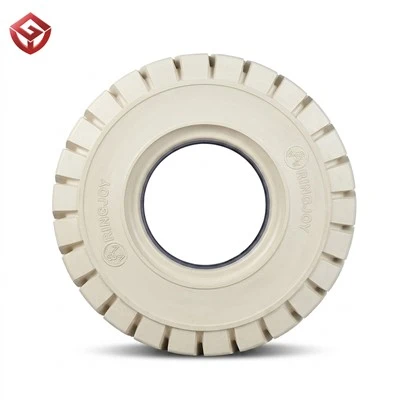
First off, let’s cut the jargon: a solid rubber tire is exactly what it sounds like. Unlike pneumatic (air-filled) tires you’d find on a car or a basic hand truck, these are made entirely from cured rubber—no inner tube, no air to leak, no flat to panic over. For carts specifically, that’s a game-changer. Think about it: when you’re moving pallets, feed, or event gear over cracked concrete, uneven dirt, or wet asphalt, a pneumatic tire might get a nail stuck, sink into soft ground, or deflate mid-job. Solid tires? They just keep going, no matter the terrain.
I work with all kinds of carts—from small hand carts used in retail stockrooms to heavy-duty utility carts for farms and construction sites. The solid rubber ones we supply aren’t just cut from a single block of rubber, either. We tune the rubber compound for different uses. For example, a cart that’s moving stuff on smooth warehouse floors needs a rubber that’s soft enough to grip well and not scratch the concrete. A cart for farm fields? We crank up the durability of the rubber to handle thorns, rocks, and constant bumps over uneven furrows. That’s the stuff people don’t always tell you—solid tires aren’t one-size-fits-all, and that’s where our expertise comes in.
Let me explain why this matters so much for cart owners. When you’re running a business or a farm, downtime costs you money. A flat tire on a pneumatic cart means halting your work, dragging the cart to repair, waiting for a replacement tube or tire, and possibly missing a deadline. Solid rubber tires? They’re practically maintenance-free. You don’t need to check air pressure every week, you don’t have to patch flats, and they don’t degrade as fast from UV exposure or oil spills (two big issues in warehouses and outdoor settings). Yeah, they might cost a bit more upfront than basic pneumatic tires, but over time, you’re saving a ton on repairs, replacements, and lost productivity. I’ve had customers tell me they switched to our solid tires and haven’t touched their cart tires since—two years, no issues. That’s the kind of win we’re here for.
Another thing people often ask: do solid tires ride rough? I won’t lie—they’re not as bouncy as air-filled tires, but modern solid rubber compounds are way more flexible than the old, hard rubber tires from decades ago. For most cart uses, the difference is negligible. On smooth concrete, you won’t feel it. On rough terrain, the dense rubber absorbs small bumps way better than you’d think, especially if we match the tire size to the cart’s load capacity. Speaking of load capacity—solid tires are built to hold way more weight than similar-sized pneumatic tires, which is perfect for heavy-duty carts. If you’re hauling 1,000 lbs of feed or 500 lbs of inventory, a solid tire won’t flex or fail under pressure. That’s non-negotiable for anyone who relies on their cart to get the job done.
Let’s talk about the materials, because it’s not just rubber. The core of a solid cart tire is usually a reinforced steel or nylon core that fits snugly onto the cart’s rim. That core is what keeps the tire aligned and prevents it from shifting when you’re pulling a heavy load. The outer rubber is a blend of natural and synthetic rubber—natural rubber for grip, synthetic rubber for durability. We test every batch of rubber to make sure it resists abrasion, so it doesn’t wear down too fast when you’re rolling it over gravel or sharp metal edges. I’ve seen cheap solid tires from other suppliers wear out in six months, but ours? We make sure they last two to three times longer, even with heavy use.
Who uses these tires, anyway? Let’s break it down by industry, because that might help you see if this is for you. First, farms—farmers use utility carts for moving produce, tools, and animal feed all over the property. Dirt paths, hay bales, occasional rocks—solid tires handle all that without flats. Then there’s warehousing and logistics: order picker carts, pallet jacks, material handling carts. Oil spills, cracked concrete, nails on the floor—solid tires don’t care, and they don’t leave marks (as long as we use the right non-marking rubber for indoor use). Event companies too—they use carts to move tents, tables, and decor over grass, asphalt, and even wooden floors. No flats at a fair or a wedding? That’s a huge stress saver. Even small businesses, like cafes that have to move trash bins or supply carts around their parking lots, swear by solid tires because they’re easy to clean and don’t get flat from loose debris.
Wait, but what about downsides? I’m not going to sugarcoat it. Solid rubber tires are heavier than pneumatic ones, so if you’re pushing a cart empty, it might feel a bit more work. But when it’s loaded up, the weight works in your favor—no bouncing, no sagging, better control. And in extremely cold temperatures, some solid rubber compounds can get stiffer, though we have winter-specific blends that fix that for people working in frozen warehouses or northern farms. For almost all regular cart uses, those small tradeoffs are way worth it for the peace of mind.
Here’s a little behind-the-scenes look at how we make our solid tires. We don’t just melt rubber and pour it into a mold. We use a process called vulcanization—heating the rubber with sulfur to make it stronger, more durable, and elastic. That’s what gives the tires their long lifespan. We also custom-make tires for almost any cart size: from 8-inch small hand cart tires all the way up to 16-inch heavy-duty utility cart tires. If you have a cart that’s not standard, we can adjust the core size or the rubber compound to fit it. No need to buy a whole new cart—just swap out the tires, and you’re good to go.
I’ve seen a lot of people make the mistake of grabbing the cheapest tire they can find, but for carts, that’s usually a waste. A $20 pneumatic tire that goes flat every month costs $240 a year in replacements, plus the time you spend fixing it. A $50 solid tire that lasts two years is $25 a year, no work involved. That math is simple, right? And for small businesses, time is money. If you’re a farmer trying to get crops to market on time, or a warehouse manager trying to meet a shipping deadline, a flat tire can derail your whole day. Our solid tires eliminate that risk.
Now, if you’re someone who’s been dealing with flat tires on your cart, or you’re just looking to upgrade something that’s been breaking down for years, we’re here to help. We work with all different types of users—from individual farmers to large warehouses to event companies—and we can match you with the right tire for your specific cart and use. No one-size-fits-all here; we’ll ask you what you’re hauling, where you’re hauling it, and how often you use the cart, then recommend the best solid tire for your needs.
If you’re ready to stop dealing with flats and maintenance headaches, don’t hesitate to reach out to our team to chat about your requirements. We’re happy to answer any questions you have, help you pick the right tire size, and even give you tips on installing it yourself (no fancy tools needed, by the way).
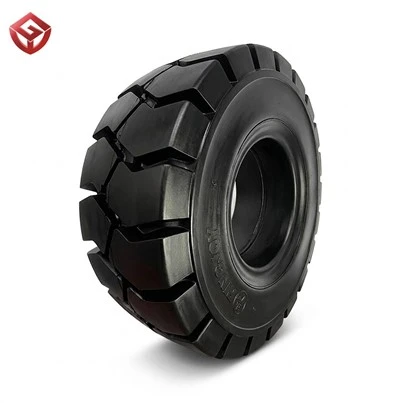
At the end of the day, a solid rubber tire for a cart isn’t just a piece of rubber—it’s a workhorse that keeps your operations running smoothly. We’ve been in this business long enough to know that reliability matters more than anything, and that’s exactly what we deliver with every tire we make.
Forklift Solid Tire References:
- Material Handling Industry of America. (2021). Solid Tire Applications for Material Handling Equipment.
- Rubber Manufacturers Association. (2020). Vulcanization Processes and Tire Durability.
- Agricultural Equipment Technology Conference. (2022). Terrain-Resistant Tires for Farm Utility Carts.
Zhejiang Guowei Rubber Co., Ltd.
Zhejiang Guowei Rubber Co., Ltd. is one of the most professional solid tire manufacturers and suppliers in China. With abundant experience, we warmly welcome you to buy advanced solid tire in stock here and get pricelist from our factory. Quality products and reasonable price are available.
Address: No. 10, Nanyang 4th Road, Duqiao Town, Linhai City, Taizhou, Zhejiang Province, China
E-mail: Gwsolid@gmail.com
WebSite: https://www.forkliftsolidtires.com/
