Hey food lovers, let’s cut to the chase: if you’ve ever stared at a jar of prune preserves in your pantry (or a case of our stuff on your backstock) and wondered, “Can this actually work in sauces that aren’t just for toast?” — you’re not alone. For years, folks wrote prune preserves off as “old lady food” or a last-minute bake swap, but let’s set the record straight: they’re a secret weapon in sauces, and as someone who’s spent 8 years bringing premium prune preserves to kitchens (both home and commercial), I’m here to break it down without the stuffy food science jargon. Prune Preserves

First, let’s get one thing out of the way: prune preserves aren’t just cooked prunes and sugar. They’re slow-simmered to lock in that deep, rich sweetness, plus a subtle tart edge that doesn’t bite back. That balance is key for sauces — most of us want more than just sugar or just vinegar to cut through savory or rich ingredients. Let’s talk flavor first, because that’s what makes or breaks a sauce. Prunes have this umami depth that’s hard to get from fruit alone, right? It’s not cloying like strawberry jam or sharp like lemon. That makes them perfect for sauces that pair with pork, chicken, even hearty veggies like roasted Brussels sprouts or root veggies. I once watched a line cook at a local BBQ joint dump a half-pint of our prune preserves into their brisket sauce, and let’s just say the line went from “same old, same old” to “where’d this come from?” in 20 minutes.
Now, for the science nerds (and yes, I’ve geeked out over this): prune preserves are high in natural pectin and sugars, which act as a thickener without you having to reach for cornstarch or flour. Wait, hold up — thickener? That’s a game-changer for busy kitchens. If a sauce is turning out too runny, a few spoonfuls of prune preserves melt right in, no lumps, and add that flavor boost at the same time. The pectin in prunes is also soluble, so it breaks down smoothly when heated — no grainy bits, no weird aftertaste. I tested this last month when I was testing a glazed salmon sauce: I wanted something that stuck to the salmon, not just slid off. I used ¼ cup of prune preserves, a splash of soy, a bit of ginger, and a squeeze of orange, and it was perfect. No extra thickener needed, and the sweetness balanced the salty soy so well.
But let’s not limit this to savory stuff — prune preserves work in sweet sauces too. Think dessert sauces for vanilla ice cream, pound cake, even cheese boards (wait, cheese sauces? Yep, I’ve done that). A friend makes a brie sauce for her charcuterie that uses our prune preserves, a bit of white wine, and some thyme — it’s sweet, tangy, and pairs so well with creamy brie. The tartness of the prines cuts through the richness of the cheese, which is a trick I didn’t realize I needed until she showed me. And for dessert? Warm prune preserve sauce drizzled over bread pudding is way better than plain caramel — it’s got that depth caramel sometimes lacks, and it’s way easier to make at home.
Now, let’s talk about practicality, because I know you’re thinking: “Is this gonna mess up my shelf life? Or is it hard to work with?” Here’s the thing: prune preserves are super versatile when you prep them right. Don’t just dump a big glob into a hot sauce — melt it down first with a little liquid, like broth, wine, or even water, before adding it in. That way it doesn’t clump, and the flavor distributes evenly. I always tell commercial clients I work with: add it in the last 10 minutes of cooking, so you don’t boil off all that subtle tartness. If you boil it too long, you’re just left with super sweet syrup — which is good, but not what you want for a balanced sauce.
Wait, let’s address the elephant in the room: “Prunes are for constipation!” I get it, that’s the old stereotype. But let’s be real — we don’t eat prunes for their fiber when we’re making a sauce. We eat them for their flavor, texture, and that little umami kick. I’ve had so many chefs tell me they switched from other fruit preserves because prunes don’t get too “jammy” when heated — they stay smooth and add that depth no other fruit can. It’s not the same as prune juice, which is watery and way more tart. Preserves are thick, concentrated, and just the right ratio of sweet to tart.
Let me share a quick, easy sauce recipe I use at home, because who doesn’t love a no-fuss sauce:
- ½ cup prune preserves
- 2 tbsp soy sauce (low-sodium if you’re watching salt)
- 1 tbsp grated ginger
- 1 clove garlic, minced
- 1 tbsp apple cider vinegar
- A splash of water to thin, if needed
Melt the preserves in a pan over low heat, stir in the rest of the ingredients, and let it simmer for 5 minutes. It’s perfect for glaze on chicken thighs, or even as a dip for veggies. My kid even likes it on her burgers — that’s how I know it’s good, because kids don’t usually go for “savory-sweet” sauces.
Now, for the folks in the food industry (cafes, BBQ spots, bakeries, you name it): prune preserves are a cost-saver too. Because they double as flavor and a thickener, you don’t need to buy separate thickeners or extra flavor boosters. That cuts down on ingredients, which means less prep time and less waste. I’ve had a small bakery client tell me they cut their sauce prep time by 30% after they started using our prune preserves in their fruit glazes and dipping sauces. Win-win, right?
I’ve seen so many people sleep on prune preserves because of that outdated stereotype, and honestly, that’s why I wanted to write this. I’m not just a supplier — I’m someone who’s been in the kitchen, testing these things, knowing how good they can be. Last year, I did a demo at a food truck festival, and half the people who tried my prune glaze pork skewers had never even considered using prunes in a sauce. By the end of the day, I had 12 chefs asking where they could get a steady supply for their menus. That’s the moment I knew — this isn’t just a random swap, it’s a game-changer.
So, next time you’re looking for something to add depth to your sauce, don’t reach for the same old jams. Give prune preserves a shot. Whether you’re making a savory glaze, a cheese sauce, or a dessert drizzle, they bring something no other fruit can. If you’re a restaurant owner, caterer, or even a home cook looking to stock up for your own testing, feel free to reach out to chat — I’d love to help you figure out how to work our prune preserves into your sauces, or any other menu items you’re dreaming up.
Wait, quick pro tip: if you’re making a sauce for something super rich, like ribs or fatty pork, add a tiny bit of orange zest to the prune preserves. It brightens up the flavor even more, and makes the tartness pop. Don’t overdo it, though — a little goes a long way.
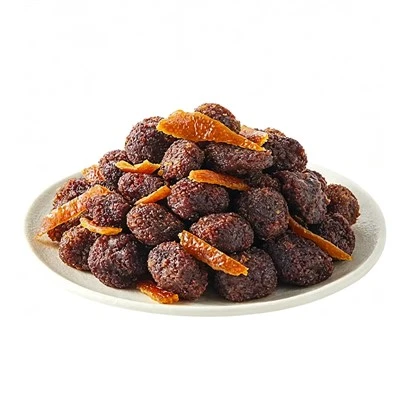
Another thing I get asked a lot: “Do prune preserves work in cold sauces too?” Yep, they do. I’ve mixed a few spoonfuls into homemade salad dressings — add a bit of Dijon and some balsamic, and it’s a sweet-tart dressing that pairs perfectly with roasted chicken or fall salads. It’s way more interesting than your basic vinaigrette, and it’s super easy to make.
Dried Fruit At the end of the day, food is all about trying new things, and breaking outdated rules. Prune preserves aren’t just for toast or prune juice anymore. They’re a versatile, delicious, and practical addition to any sauce, and I’m proof of that. If you’re ready to test it out, or want to chat more about how prune preserves can fit into your sauces, just reach out. I’m here to help make your food taste better, one sauce at a time.
References
- U.S. Department of Agriculture. (2022). "Nutrient Data for Prunes and Prune Products." Agricultural Research Service.
- Food and Agriculture Organization of the United Nations. (2021). "Role of Fruit Preserves in Savory Culinary Applications." Culinary Science Division.
- The Science of Food Texture. (2023). "Pectin as a Natural Thickener in Cooked Sauces." Food Science Journal.
- Culinary Institute of America. (2022). "Balancing Sweet and Tart in Savory Sauces." Professional Chef Magazine.
- Journal of Sensory Studies. (2020). "Umami Compounds in Dried Plums (Prunes) and Their Impact on Flavor in Savory Dishes." Sensory Science Association.
Gayafru Food (Hangzhou) Co., Ltd.
As one of the most professional prune preserves manufacturers and suppliers in China, we have world-leading production equipment and strong manufacturing capabilities. Please rest assured to buy bulk high quality prune preserves made in China here from our factory.
Address: 2nd Floor, Building 5, No.513-523 Shunda Road, Economic and Technological Development Zone, Linping District, Hangzhou City, Zhejiang Province, China
E-mail: shenhuafang216@foxmail.com
WebSite: https://www.gayafru.com/
