If you’ve ever walked into a small boutique, a local stationery shop, or a indie graphic design studio, chances are you’ve seen the subtle, shiny details that make brand materials, packaging, or custom products feel intentional and high-quality. That’s where foil printing comes in—a process that uses heat and pressure to transfer metallic, matte, or specialty foil onto paper, cardstock, or other substrates, resulting in a finish that stands out far more than regular ink. For small business owners, though, the question I get asked most often isn’t just “what is foil printing” — it’s “is it worth investing in for my small operation?” As a foil printer supplier who’s worked with hundreds of small businesses over the past seven years, I’ve seen both the wins and the missteps when it comes to adopting this technology. Today, I want to break down what makes foil printing (specifically, the small-business-friendly foil printers we design and sell) a solid investment, and the key factors to weigh before pulling the trigger. Foil Printer
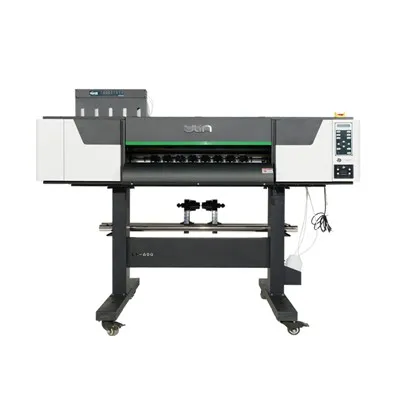
First, let’s clear up a common myth: foil printing isn’t just for big corporations with six-figure printing budgets or full-scale production facilities. For the longest time, that was true. Traditional foil printers were large, industrial machines that cost tens of thousands of dollars, required specialized training to operate, and only made sense for businesses printing thousands of units at a time. But in the last decade, the technology has evolved dramatically. We now manufacture compact, desktop and entry-level semi-automatic foil printers that fit on a standard office desk, cost a fraction of their industrial counterparts, and are designed for small print runs—even as small as 10 or 20 units. That’s a game-changer for small businesses, where custom orders, limited-edition products, or one-off marketing pieces are often the norm, not the exception.
Let’s start with the biggest win for small businesses: the return on investment (ROI) relative to low-volume, high-impact projects. I work with a lot of boutique stationery designers, for example, who sell custom wedding invitations, birthday cards, and branded thank-you notes. A few years back, one of my customers was a single designer based in Portland, Oregon, who was outsourcing all her foil printing to a local print shop. Every time she got a custom order, she’d pay $1.50 to $3 per card for foil printing, plus shipping and turnaround time. Her average client order was 50 invitations, so that added up to $75 to $150 per order, not to mention she’d have to wait two to three weeks to get the finished products back. When she invested in our entry-level foil printer for $4,200, she calculated that after just 20 orders, she’d recouped that cost. Now, she prints foil in-house whenever she wants—whether that’s a dozen “save the date” cards for a small wedding, or a stack of 100 branded bookmarks to hand out at a local craft fair. The quality is identical to the industrial prints she was outsourcing, but she keeps 100% of the profit margin, and she can turn around orders in a day instead of two weeks. That’s the kind of ROI that makes sense for a small business with tight cash flow, where every dollar spent needs to work for you quickly.
But it’s not just for stationery. I also work with small e-commerce brands, like a handmade candle company in Chicago that uses foil printing on their product labels and packaging. Before they got their foil printer, their labels were printed with standard ink, which would smudge if a candle got a little warm in transit, and the brand felt generic. They tried sticker foil transfers, but those peeled off easily, and the custom ones were expensive for small batches. With their in-house foil printer, they now add a subtle gold foil logo to every candle label, which makes their products stand out on crowded shelves at local farmers’ markets and online product photos. They can print just 50 labels at a time, instead of having to order 500, which means they don’t have excess inventory sitting in a garage, tying up money they need for other parts of their business. Another customer is a small graphic design studio that offers foil printing as an add-on service to their clients. They didn’t want to outsource that service and lose profit, so investing in a foil printer let them increase their average project fee by 25% just by adding foil as an option. That’s a revenue stream they wouldn’t have had without the right equipment.
Of course, no investment is perfect, and there are some important caveats for small businesses considering a foil printer. The first is understanding what a foil printer can (and can’t) do. A lot of new buyers come in thinking they can use it to print full-color images in foil—but that’s not how foil printing works. Foil is a thin film that adheres only to the areas where heat and pressure are applied, so it’s ideal for text, logos, borders, and small design elements, not complex full-color photos. That’s not a problem for most small businesses, though. Most of the projects they’re working on (branded materials, packaging, stationery) rely on distinct logos or text, which foil prints perfectly. Another limitation is substrate type: while our printers work with standard cardstock, glossy paper, and even some fabrics, they don’t work with thick, rigid materials like metal or glass without additional accessories, which are available but add a small cost.
Then there’s the matter of learning curve, which is another area where modern foil printers differ from their older industrial counterparts. Back in the day, running a foil printer required years of training to adjust heat levels, pressure settings, and foil placement to avoid messy transfers or wrinkled paper. Our entry-level models are designed with small business users in mind: they have pre-set templates for common paper weights and foil types, a digital display that walks you through each step, and auto-calibration features that cut down on setup time. That said, it’s still not plug-and-play. I always tell new buyers to budget a few hours of practice time when they first get their machine, testing on scrap paper to get the feel for how heat affects different materials. For someone who’s comfortable using design software like Canva or Adobe Illustrator, that learning curve is steep enough to be manageable, but not so steep that they need to hire a full-time operator. I’ve also worked with small businesses that offer in-house training sessions for new foil printer owners, which is a free resource for our customers.
Another factor to consider is material costs, which are often a concern for small businesses working with thin profit margins. Foil rolls are far cheaper than most people think—our standard metallic foil rolls cost about $0.10 to $0.15 per square foot, which is far less than what you’d pay per unit for outsourced foil printing. You don’t need to buy bulk, either; we sell small rolls that are perfect for one-off projects, so you don’t end up with hundreds of feet of foil going to waste if you don’t use it. It’s also important to note that foil printers don’t require any special ink or supplies beyond standard power and a computer to upload designs—no monthly subscriptions, no hidden fees, which is a big plus for small businesses that hate unexpected costs.
Wait, but what if your small business does a lot of large-scale orders? Is a foil printer still worth it? For businesses that regularly print 1,000+ units, outsourcing might still be cheaper than buying a machine, but even then, there are exceptions. I know a small custom packaging company in Austin, Texas, that started outsourcing all their foil work until they realized they could get 90% of their orders done in-house with a mid-sized semi-automatic foil printer, and only send the largest, most complex jobs to a professional print lab. That cut their production time by half and their per-unit costs for most orders by 30%. For small businesses that have a mix of small and large orders, a foil printer can be a middle ground between full outsourcing and full industrial equipment.
I’ve also seen small businesses use foil printing in creative, unexpected ways that add value without breaking the bank. A few months back, a local coffee roaster in Denver used their foil printer to add silver foil “limited edition” badges to 200 custom bags of coffee they released for Earth Day. That small, shiny detail made those bags sell out in three days, compared to their regular bags which take two weeks to sell out. They didn’t have to invest in a huge print run for the badges, and the cost of the foil was less than $20 total. That’s the kind of subtle, high-impact marketing that works for small businesses, because it’s personal, unique, and feels intentional to customers.
Of course, there are times when a foil printer isn’t the right fit. If you’re a one-person business that only does a handful of projects a year, or you mostly print full-color materials where foil isn’t a key design element, then the cost and learning curve might not be worth it. For those businesses, outsourcing foil printing to a local print shop might be a better option, or working with a print-on-demand service that offers foil as an add-on. But for the vast majority of small businesses that are growing, that want to add a unique, premium touch to their products without sacrificing profit or turnaround time, a foil printer is absolutely suitable.
If you’re a small business owner reading this, and you’re still on the fence, I’ll leave you with a question: what’s the biggest way you want to make your brand or products stand out? For most small businesses, the answer isn’t a huge ad campaign or a price cut—it’s the little details that make customers remember you. A subtle gold foil logo on a thank-you note, a silver foil border on a product label, or a matte black foil design on custom packaging is the kind of detail that turns a first-time customer into a repeat buyer, because it feels like you put extra care into your work. That’s the value of foil printing for small businesses: it’s not just about shiny paper—it’s about building a brand that feels professional, intentional, and worth paying a little more for.
If you’re ready to learn more about how a foil printer could work for your small business, we’re here to help. We can walk you through different models, help you calculate your expected ROI, and answer any questions you have about setup, training, or materials. Don’t hesitate to reach out to discuss your specific needs.
UV Roll To Roll Printer References
- Small Business Administration. (2022). Profit Margin Benchmarks for Small Print and Creative Services Firms.
- Printing Industries of America. (2023). The Evolving Landscape of Entry-Level Specialty Printing Technologies for Small Businesses.
- Stationery Trends Magazine. (2021). Foil Printing as a Competitive Differentiator for Independent Designers and Brand Owners.
- National Retail Federation. (2022). Consumer Preferences for Premium Packaging and Branded Materials in Small E-Commerce Brands.
Hangzhou Yulan Technology Co., Ltd.
Hangzhou Yulan Technology Co., Ltd. is one of the most professional foil printer manufacturers and suppliers in China. With abundant experience, we warmly welcome you to wholesale the newest foil printer in stock here from our factory. Good service and quality products are available.
Address: 3rd Floor, Building 4, Kechuang Park, No. 43 Wuzhou Road, Donghu Sub-district, Linping District, Hangzhou,CHINA
E-mail: ulinprint@gmail.com
WebSite: https://www.ulinprinter.com/
