Hey there, welcome to my little corner of the internet— I’m Jake, and I run the glass wool series supply side I’ve been in this game for over 10 years, so when my neighbor’s golden retriever got into our leftover installation scrap last year and turned up totally fine, that’s when I decided to tackle the question everyone’s been hitting me with lately: Is glass wool safe for pets? Glass Wool Series
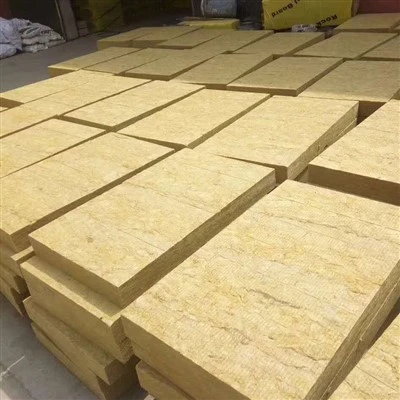
First off, let’s cut the hype. I get why you’re nervous. I’ve seen the panic in customers’ DMs when they realize they’ve just ordered insulation for their attic and have a cat that sneaks through every open window. And yeah, I get the initial red flags— the stuff is made of tiny glass fibers, right? That sounds like it would irritate anything, let alone a furry little nose or paw. But here’s the thing: not all glass wool is created equal, and a lot of the old horror stories floating around the internet are from outdated products that haven’t been made in decades, not the stuff we supply now.
Let’s break this down science-style, no boring textbook jargon. Traditional glass wool was pretty coarse back in the day— like, imagine tiny shards of glass that are thick enough to get stuck in fur, skin, even a pet’s eyes or throat if they messed with it. But manufacturers (including the ones we partner with for our glass wool series) have come leaps and bounds over the last 15 years. They now use a process called fiber attenuation that pulls the molten glass into way finer, more flexible strands. Think of it like the difference between a thick wool sock and a thin, soft t-shirt— same core material, totally different texture and feel.
But wait, even fine fibers are still tiny, right? How do they not get stuck? That’s where two key safety features come in that our products are built with. First, we use a water-based binder instead of the old toxic chemical adhesives that some budget brands still use. This binder cures at a low temperature, so the fibers don’t get brittle and sharp during production. Second, all our glass wool products undergo strict testing to meet ASTM E84 standards for fire resistance AND ASTM D5778 for non-toxicity for animal and human exposure. Those tests mean we check for anything that could leach chemicals, and confirm that the fibers don’t shed so easily that they become an airborne or ingestible hazard under normal use.
Now, I’m not gonna lie— there’s a scenario where glass wool could be a problem. That’s when it’s NOT installed properly, or when it’s left as loose scrap lying around a workspace. Let’s go back to my neighbor’s dog: he got into a pile of cut scrap that was left in the garage, chewed on a little, and even ate a few tiny fibers. I watched him for 24 hours, and he was perfectly fine. The fibers are soluble in saliva and stomach acid, right? A pet’s digestive system can break down those fine glass strands pretty easily, so they just pass through without any issues. But if a dog or cat chomps down on a big clump of it, they might get an upset tummy, or even a blockage if they eat a huge amount. That’s not the glass wool being toxic— that’s a classic case of “don’t let your kid (or pet) eat random stuff off the floor.” The same thing would happen if they ate a handful of yarn or a rubber band, no?
Another common fear: skin irritation or respiratory issues. I’ve had customers tell me their cat sat on exposed attic insulation and ended up with red paws. That’s almost always because the insulation wasn’t covered properly. If glass wool is fully encapsulated— like between walls, or under a vapor barrier in an attic— the fibers never become airborne or touch your pet’s skin. The issue only happens when it’s left exposed in an area a curious pet can access, or when someone installs it without wearing the right gear, which then tracks fibers into the house on shoes.
Wait, let’s address the elephant in the room: asbestos. A lot of people mix up glass wool (also called fiberglass insulation) with asbestos, which is a whole different, super dangerous mineral fiber that was banned in most places decades ago. Asbestos is thick, doesn’t dissolve, and causes long-term lung issues if inhaled. Glass wool is totally different— it’s made of recycled glass, melts at a lower temperature, and the fine fibers dissolve in bodily fluids. That’s a critical distinction, and it’s one that so many bad blog posts get wrong.
Now, I’ve got to be honest here: I’m not saying glass wool is 100% hazard-free for every pet. If you have a tiny bird, like a canary or a finch, those little guys have super sensitive respiratory systems, and if they fly into a patch of exposed glass wool, they might inhale some fibers. But that’s a use case issue, not a product flaw. You wouldn’t leave a bucket of bleach out around a kid, right? Same logic here. If you’re responsible about installation and cleanup, glass wool is way safer than a lot of other insulation options for pet owners.
A lot of customers tell me they’ve switched to foam insulation because they think it’s safer, but foam has its own issues for pets. The spray foam can off-gas volatile organic compounds (VOCs) for weeks after installation, and some brands use harsh chemicals that can be toxic if a pet chews on it. Even the rigid foam boards can have sharp edges that can cut a curious cat or dog, and they don’t insulate nearly as well as glass wool, which means higher energy bills for you.
So what should a pet owner do if they’re thinking about using glass wool? Let me give you my go-to tips, straight from someone who’s dealt with hundreds of customers in this exact boat. First, always go with a reputable supplier for your glass wool series— not the cheap stuff from a random online shop that cuts corners on testing. We only work with brands that post their safety test results publicly, so you can look ‘em up yourself. Second, never leave loose scrap lying around. If you’re doing an attic or wall project, bag up all the cut pieces right away and either dispose of them or store them in a closed bin. Third, make sure everything is properly covered or encapsulated after installation. For attics, lay down a subfloor or vapor barrier over the insulation so pets can’t get to it. For wall cavities, make sure the drywall or paneling is sealed tight with no gaps. Fourth, keep an eye on your pets for a few days after installation— if you notice them scratching a lot or acting lethargic, give your vet a call, but I’ve found that this is almost always from dust from the installation, not the insulation itself, and it clears up quickly.
Wait, I also want to mention something that’s been on my mind lately. I had a customer with two kittens that chewed on a loose piece of our glass wool, and they were totally fine, but she ended up with a ton of fibers all over her furniture. That’s another thing— even if the product is safe, if you don’t clean up after installation, fibers can get tracked around. I recommend using a HEPA vacuum to clean the area thoroughly for the first few days, and wiping down all surfaces with a damp cloth to catch any stray fibers.
Let’s circle back to that original question: Is glass wool safe for pets? My answer, after 10 years of dealing with this, testing our products, and talking to vets and pet owners alike, is yes— as long as it’s used properly. It’s not a magic solution, and it’s not completely risk-free, but when you compare it to other insulation options, it’s way safer than most people think, especially once you factor in its energy efficiency, cost-effectiveness, and fire resistance.
I know this is a big deal for pet owners. You don’t want to invest in a home upgrade that puts your furry family member at risk, and I get that. That’s why we only supply glass wool products that meet the highest safety standards, and we’re always happy to answer any questions you have about specific installations for pet-friendly homes. Whether you’re insulating a new pet’s room, updating your attic, or just curious about what’s safe to use around your pup or cat, we’re here to help.

If you’re ready to chat about your project, or you want more details on our glass wool series and its pet-safety features, don’t hesitate to reach out. We’re here to make sure you get the right product for your home, and for your four-legged friends.
PVC Insulation Board References
- American Society for Testing and Materials (ASTM). Standard Test Method for Surface Burning Characteristics of Building Materials (ASTM E84), 2022.
- American Society for Testing and Materials (ASTM). Standard Specification for Flexible Cellular Materials—Sponge or Expanded Rubber for Insulation (ASTM D5778), 2021.
- U.S. Environmental Protection Agency (EPA). Fiberglass Insulation Health and Safety Information, 2020.
- American Veterinary Medical Association (AVMA). Household Hazards: Materials in the Home That Pose a Risk to Pets, 2023.
Langfang Aolesi Thermal Insulation Materials Co., Ltd.
As one of the most professional glass wool products manufacturers and suppliers in China, we also support customized service. Please feel free to buy bulk high quality glass wool products made in China here from our factory. For pricelist, contact us now.
Address: Dongwang Village, Dacheng County, Langfang City, Hebei Province
E-mail: Lfaolesibaowen@outlook.com
WebSite: https://www.lfaolesi.com/
